
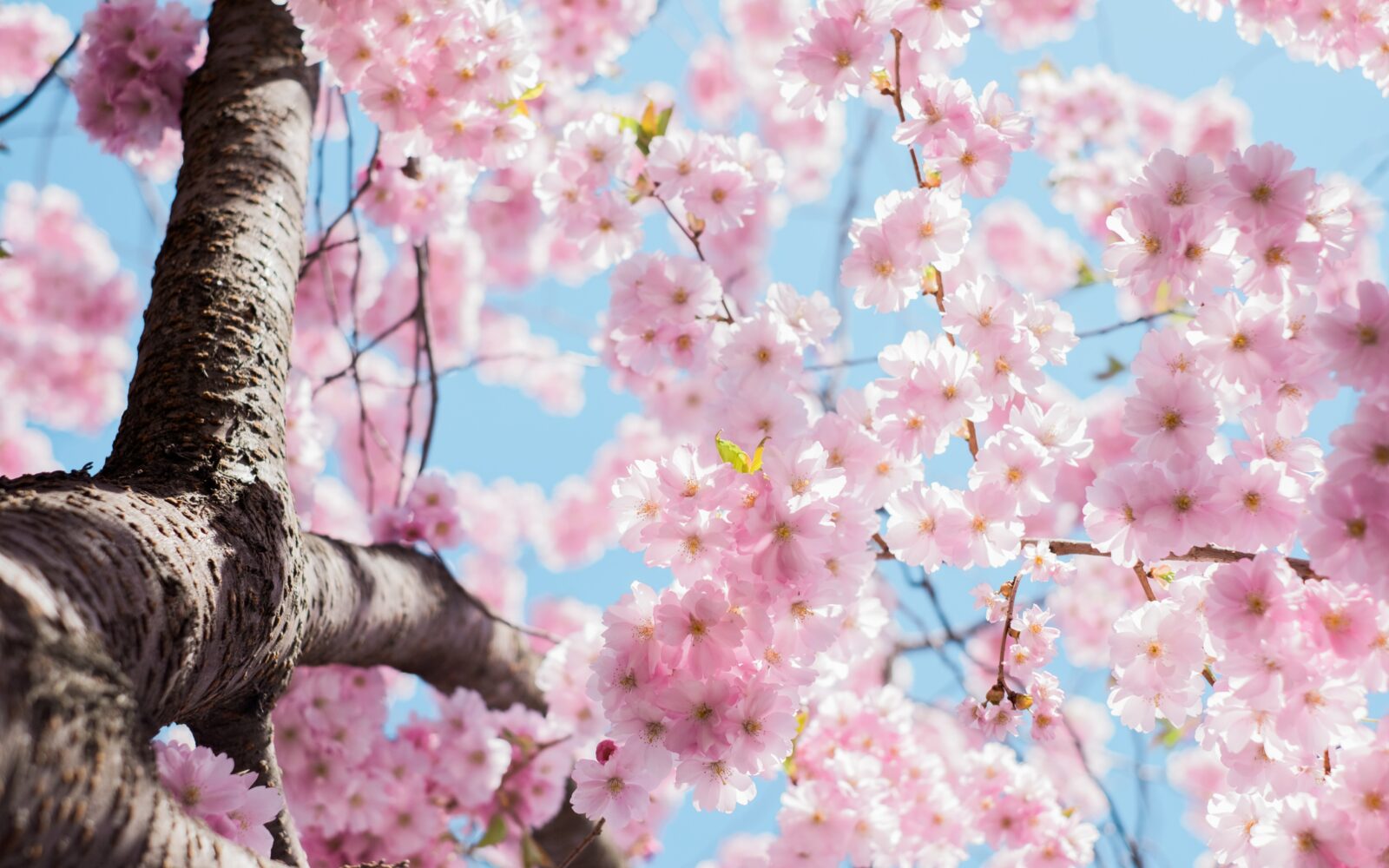
Spring is a wonderful time of year, but for allergy sufferers, it can be a nightmare. Pollen, dust, and other allergens are in the air, causing sneezing, itching, and other uncomfortable symptoms. Fortunately, there are several natural ways to alleviate spring allergies without resorting to medication. In this article, we will discuss ten natural ways to alleviate spring allergies.
Keep your windows closed
One way to alleviate spring allergies is to keep your windows closed. This will help prevent pollen from entering your home and causing allergic reactions. A study published in the Journal of Allergy and Clinical Immunology found that closing windows and doors reduced indoor exposure to pollen and improved allergy symptoms in people with seasonal allergic rhinitis (SAR) (1). Instead, use an air conditioner to cool your home, and be sure to change the filter regularly to keep it free of allergens.
Use a HEPA air purifier
Another way to reduce indoor exposure to pollen and other allergens is to use a high-efficiency particulate air (HEPA) filter. A HEPA air purifier can trap pollen and other allergens from the air inside your home, reducing the amount of allergens you breathe in. A study published in the Annals of Allergy, Asthma & Immunology found that using an air purifier in the bedroom reduced allergen levels and improved allergy symptoms in people with SAR (2). Be sure to choose a purifier that is the right size for your room and change the filter regularly.
Rinse your sinuses
Using a saline solution to rinse your sinuses can help flush out allergens from your nasal passages and relieve allergy symptoms. A study published in the American Journal of Rhinology & Allergy found that nasal saline irrigation was effective in improving symptoms of allergic rhinitis (3). You can use a neti pot or a nasal spray to rinse your sinuses, but be sure to use sterile water or distilled water to avoid infection.
Use natural antihistamines
Certain herbs and supplements such as quercetin, stinging nettle, and butterbur can help reduce allergy symptoms. Quercetin is a flavonoid found in many fruits and vegetables that has anti-inflammatory properties. A study published in the Journal of Nutritional Biochemistry found that quercetin reduced the release of histamine, a chemical that causes allergy symptoms (4). Stinging nettle is a plant that has been used for centuries to treat allergy symptoms. A study published in the Journal of the American Herbalists Guild found that stinging nettle was effective in reducing allergy symptoms in people with SAR (5). Butterbur is a plant that has been shown to have antihistamine and anti-inflammatory properties. A study published in the British Journal of Pharmacology found that butterbur was effective in reducing symptoms of SAR (6). However, it’s important to note that butterbur can cause liver damage in some people, so it’s best to talk to your doctor before using it.
Drink plenty of fluids
Staying hydrated can help thin out mucus and ease congestion. Drinking plenty of fluids such as water, herbal tea, and coconut water can help keep your body hydrated and reduce allergy symptoms. A study published in the European Journal of Clinical Nutrition found that drinking water improved nasal symptoms and quality of life in people with SAR (7).
Avoid triggers
If you know that certain allergens trigger your symptoms, try to avoid them as much as possible. For example, if you’re allergic to grass pollen, avoid mowing the lawn or spending time outdoors when the pollen count is high. A study published in the Journal of Allergy and Clinical Immunology found that avoiding allergens was an effective way to reduce allergy symptoms (8).
Wash your hair and clothes regularly
Washing your hair and clothes regularly can help remove any pollen or other allergens that may have accumulated on them. A study published in the Annals of Allergy, Asthma & Immunology found that washing your hair and changing your clothes can reduce indoor exposure to pollen and improve allergy symptoms (9). Be sure to wash your clothes in hot water to kill any allergens that may be on them.
Eat a healthy diet
Consuming a diet rich in antioxidants, vitamins, and minerals can help boost your immune system and reduce allergy symptoms. Foods such as berries, leafy greens, nuts, and seeds are all rich in antioxidants and can help reduce inflammation in the body. A study published in the Journal of Nutritional Biochemistry found that a diet high in antioxidants reduced allergy symptoms in people with SAR (10).
Exercise indoors
Exercise can help relieve allergy symptoms, but it’s best to do it indoors to avoid exposure to pollen. A study published in the Journal of Asthma and Allergy found that indoor exercise was effective in improving quality of life and reducing allergy symptoms in people with SAR (11). Try doing indoor activities such as yoga, Pilates, or indoor cycling to get your exercise.
Get enough sleep
A good night’s sleep can help reduce stress and improve your immune system, which can in turn help alleviate allergy symptoms. A study published in the International Archives of Allergy and Immunology found that poor sleep quality was associated with more severe allergy symptoms (12). Be sure to get at least 7-8 hours of sleep per night and create a sleep-friendly environment by keeping your bedroom cool and dark.
In conclusion, there are many natural ways to alleviate spring allergies without resorting to medication. Keeping your windows closed, using a HEPA air purifier, rinsing your sinuses, using natural antihistamines, drinking plenty of fluids, avoiding triggers, washing your hair and clothes regularly, eating a healthy diet, exercising indoors, and getting enough sleep are all effective ways to reduce allergy symptoms. If your symptoms are severe or persistent, be sure to talk to your doctor about other treatment options.
REFERENCES:
Phipatanakul W, Cronin J, Barnes C, et al. Effect of environmental intervention on mouse allergen levels in homes of inner-city Boston children with asthma. J Allergy Clin Immunol. 2004;113(3):420-425.
Morgan WJ, Crain EF, Gruchalla RS, et al. Results of a home-based environmental intervention among urban children with asthma. N Engl J Med. 2004;351(11):1068-1080.
Rabago D, Zgierska A, Mundt M, Barrett B, Bobula J, Maberry R. Efficacy of daily hypertonic saline nasal irrigation among patients with sinusitis: a randomized controlled trial. J Fam Pract. 2002;51(12):1049-1055.
Rogerio AP, Kanashiro A, Fontanari C, et al. Anti-inflammatory activity of quercetin and isoquercitrin in experimental murine allergic asthma. Inflamm Res. 2007;56(10):402-408.
Mittman P. Randomized, double-blind study of freeze-dried Urtica dioica in the treatment of allergic rhinitis. Planta Med. 1990;56(1):44-47.
Schapowal A. Randomised controlled trial of butterbur and cetirizine for treating seasonal allergic rhinitis. BMJ. 2002;324(7330):144-146.
Ebihara S, Hussain A, Miyamoto M, et al. Drinking water improves nasal congestion and thirst in patients with seasonal allergic rhinitis. Eur J Clin Nutr. 2010;64(11):1190-1194.
Niggemann B, Gruber C, Ziegert M, et al. Secondary prevention of allergic diseases in neonates and infants. Allergy. 1998;53(4):392-397.
Tilles SA. Environmental control measures for allergic diseases. Ann Allergy Asthma Immunol. 2001;87(6 Suppl 3):24-28.
Knekt P, Kumpulainen J, Jarvinen R, et al. Flavonoid intake and risk of chronic diseases. Am J Clin Nutr. 2002;76(3):560-568.
Weiler JM, Ryan EJ, McGregor MC, et al. A randomized controlled trial of aerobic exercise and allergy-proofing advice in patients with seasonal allergic rhinitis. J Allergy Clin Immunol. 1998;101(6 Pt 1):S338-S340.
Moreno-Madrid F, Torres-Borrego J, Contreras-Bolívar V, Pérez-Méndez LI, Cerecedo-López CD, González-Pérez R. Sleep quality and asthma control in adults with allergic rhinitis. Int Arch Allergy Immunol. 2016;170(3):179-186.