
In the United States, over 5 million individuals are living with Alzheimer’s disease, a condition that leads the causes of dementia and ranks as the sixth leading cause of death. Alarmingly, the prevalence of Alzheimer’s is increasing, with 13% of those over 65 and 43% of individuals over 85 affected. This disease is becoming a hallmark of the baby boomer generation, with projections suggesting a tripling of cases by 2050.
Moreover, an estimated 10 million people are grappling with severe forms of dementia and Parkinson’s disease. Beyond these, millions more experience milder forms of cognitive decline, often referred to as “senior moments,” which include memory loss and reduced thinking and reasoning capabilities. These cognitive impairments can stem from natural aging, poor nutrition, and environmental toxins, presenting a challenge as conventional pharmaceuticals often offer limited benefits and come with significant side effects.
Natural Strategies for Cognitive Preservation
1. The Cognitive Benefits of Bacopa Monnieri
Bacopa Monnieri, a herb revered in Ayurvedic medicine for its cognitive-enhancing properties, has shown promise in clinical studies. Research indicates that Bacopa can improve memory recall and cognitive function, making it a popular choice among older adults seeking natural memory aids.
2. Ginkgo Biloba’s Memory Support
Ginkgo Biloba, known for its antioxidant properties, has been linked to improved memory and cognitive functions. Comparative studies suggest that Ginkgo Biloba can be as effective as certain prescription medications in treating mild-to-moderate Alzheimer’s, highlighting its potential as a natural therapeutic option.
3. Dietary Flavonoids: Chocolate, Wine, and Tea
Consuming flavonoid-rich foods like chocolate, wine, and tea may enhance cognitive performance. Studies suggest a correlation between these foods and improved thinking skills, with moderate consumption yielding the most significant benefits.
4. Antioxidant-Rich Diets Slow Cognitive Aging
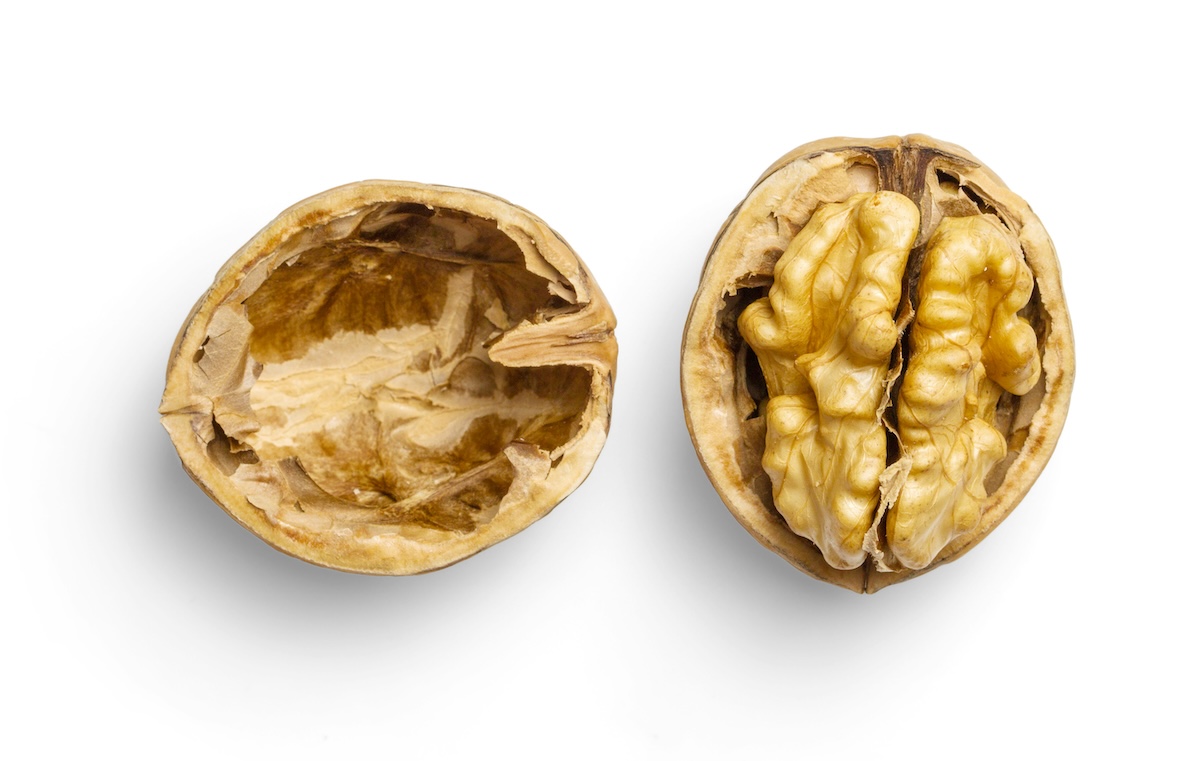
A diet abundant in antioxidants, from sources such as berries, grapes, and walnuts, can combat oxidative stress associated with aging, potentially improving cognitive and motor functions in older adults.
5. The Regenerative Effects of Intermittent Fasting
Intermittent fasting, by limiting caloric intake, may bolster neuronal resistance to degenerative diseases and promote brain plasticity and self-repair, offering a dietary approach to cognitive preservation.
6. Sleep: The Natural Detoxifier for Brain Health
Adequate sleep, ranging from six to nine hours per night, is crucial for cognitive health, aiding in the removal of brain toxins and potentially reducing the risk of Alzheimer’s-related damage.
7. Curcumin’s Role in Alzheimer’s Prevention
Curcumin, the active compound in turmeric, has been linked to lower rates of Alzheimer’s in populations with high curry consumption. Research suggests curcumin can facilitate the clearance of amyloid plaques, a hallmark of Alzheimer’s disease.
Expanding the Arsenal for Brain Health
In addition to these methods, incorporating natural substances like coconut oil, ginger, B-vitamins, and saffron into one’s diet may further contribute to maintaining a healthy, youthful brain. As research continues to evolve, these natural approaches offer hope for those seeking to preserve cognitive function and combat the challenges of aging and neurodegenerative diseases.