
Living Near Golf Courses: A Hidden Health Risk
Golf courses are often seen as serene, picturesque spaces where nature meets recreation. But what if these beautiful greens were hiding a darker side? Recent research has raised concerns about the health implications of living near golf courses, especially regarding neurological health.
The Study: A Concerning Link to Parkinson’s Disease
A comprehensive study published in JAMA Network Open examined the health data of over 5,500 individuals from Minnesota and Wisconsin. Researchers found a startling link between proximity to golf courses and an increased risk of Parkinson’s disease (PD). According to the study, individuals living within one mile of a golf course had a 126% higher risk of developing PD than those living more than six miles away. Even those within three miles faced elevated risk levels, suggesting a dose-response relationship between proximity and PD risk. (JAMA Network Open, 2025)
Why Are Golf Courses a Risk Factor?
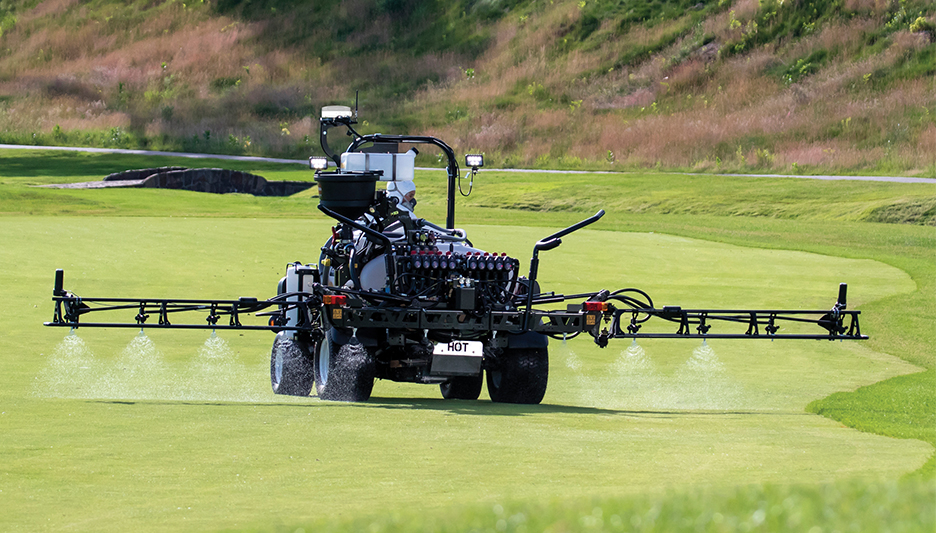
The primary issue seems to lie in the widespread use of pesticides on golf courses. To maintain lush, immaculate greens, golf course management often applies pesticides such as chlorpyrifos and maneb, known neurotoxins linked to Parkinson’s disease. These chemicals can persist in the environment, contaminating air and groundwater and leading to chronic low-level exposure for nearby residents.
The Problem with Pesticides
Chlorpyrifos and maneb are commonly used to control pests and fungi on golf courses. However, multiple studies have shown that these substances can interfere with brain function, potentially triggering neurodegenerative conditions like Parkinson’s disease. The mechanism involves oxidative stress, mitochondrial dysfunction, and inflammation, key pathways known to be involved in Parkinson’s pathology.
The Water Connection
Another significant finding from the study was that individuals whose drinking water came from sources shared with golf courses had nearly double the risk of developing Parkinson’s compared to those whose water was sourced independently. This highlights a critical exposure route—pesticides can seep into groundwater and contaminate drinking supplies, particularly in areas where golf courses are abundant.
Understanding the Symptoms
Parkinson’s disease symptoms often develop slowly over the years. Early signs may include tremors, muscle stiffness, and changes in gait. As the disease progresses, it can affect speech, balance, and cognition. At the same time, genetics plays a role, and environmental triggers, like pesticide exposure, are increasingly recognized as significant contributors.
What Can You Do If You Live Near a Golf Course?
Living near a golf course doesn’t mean you’re destined to develop Parkinson’s disease, but it’s wise to take precautionary measures:
- Test Your Water: Use a certified lab to check your drinking water for pesticide residues, especially if you share a water source with a nearby golf course. Water Quality Check: Use the EWG Tap Water Database to identify contaminants in your local water supply.
- Improve Air Quality: Indoor air purifiers with HEPA filters can reduce airborne contaminants. Keep windows closed when pesticides are being applied on the course. Air Quality Check: Monitor your local air quality using the AirNow website.
- Advocate for Change: Speak with local golf course management about reducing pesticide use or switching to organic alternatives. Community action can make a difference.
- Boost Detoxification: Support your body’s natural detox through diet, hydration, and targeted supplements.
WellnessPlus CARE Plan: Supporting Your Body’s Detox
At WellnessPlus, we recognize that environmental exposures are a significant factor in chronic health conditions. The CARE Plan is designed to support your body’s natural detoxification pathways, focusing on:
(Download FREE CARE Plan eBOOK)
- Calm: Reducing stress to lower the body’s toxic burden.
- Align: Ensuring proper nutrient support for detox enzymes.
- Recover: Supporting mitochondrial function to reduce oxidative stress.
- Eliminate: Enhancing bile flow, liver function, and gut health to excrete toxins effectively.
Living near a golf course might expose you to higher levels of neurotoxic pesticides, but taking proactive steps can mitigate these risks. The CARE Plan offers tools and resources to help your body process and eliminate environmental toxins, promoting overall well-being.
Take Control of Your Health
If you’re concerned about pesticide exposure and how it may affect your neurological health, the WellnessPlus CARE Plan can guide you through actionable steps to support your body. By understanding your environment and supporting your body’s natural defenses, you can take a proactive stance on your health.
For more information on supporting your body’s Detoxification and protecting your neurological health, visit WellnessPlus.com.
Note: This article is informational and does not constitute medical advice. Always consult a healthcare professional for medical concerns.