
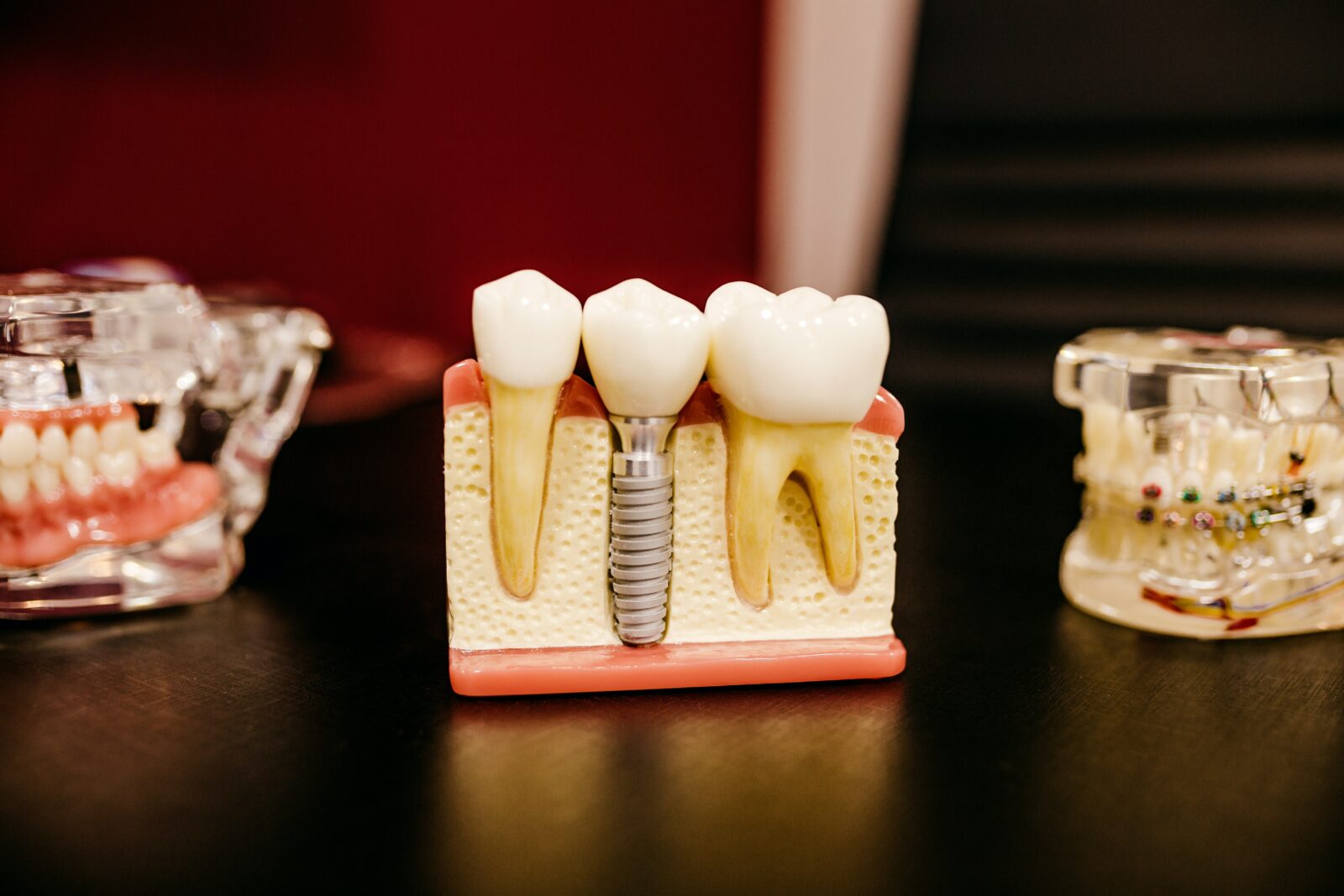
With so many root canals performed in the U.S., it may seem that the science is settled on the safety of the procedure. However, root canals are surrounded in controversy. Many dentists consider root canals to be a safe option when faced with serious dental issues. Yet, some research shows that the procedure may allow harmful bacteria to thrive in your mouth and throughout your body.
Is a root canal safe?
Some studies point to a potential for serious problems arising from a root canal, although the American Association of Endodontists points out there is no evidence that root canals are linked to inflammatory diseases or cancer.
The data behind root canals
One study found that endotoxins and harmful bacteria existed in every case that led to a root canal. The procedure cleared up approximately 44% of the pathogens, but they still persisted.
The question is whether the remaining pathogens lead to long term problems, including serious health issues. A root canal can lead to these problems:
- Infection inside or outside of the root canals
- Cystic lesion where the root canal is done
- Scar tissue healing of the root canal site
- Extruded root canal filling causing an immune response
- Accumulation of cholesterol crystals that irritate the tissues
The bacteria that lingers behind
The harmful bacteria present in every circumstance that leads to a root canal can stimulate inflammatory molecules like TNF-alpha and Interleukin-1beta. This can result in higher inflammation levels throughout your body. This can cause malaise, fever, abscess, or cellulitis in the head and neck in severe cases.
Even if the pathogens don’t cause serious complications, inflammation and bacterial toxins may lead to other health problems. Dr. Weston Price conducted some very interesting research into the issues, and his study with rabbits showed that root canals can result in chronic diseases of inflammation.
Dr. Price conducted a series of experiments on rabbits, using extracted teeth from people with certain health problems. The rabbits developed the same condition that the person with the tooth had. Yes. If a patient had arthritis or heart disease, the rabbit would develop the same within weeks.
The bacteria found inside of diseased teeth include groups of bacteria called Treponem, Streptococcus, Dialist, Porphyromanas, Prevotella, Parvimonas, and Fusobacterium. Many of these bacteria exist naturally in the mouth. They become problematic when an infection grows. When they thrive inside a root canal, the anaerobic conditions and ecosystem cause them to become more dangerous.
These bacteria are linked to chronic inflammatory diseases including:
- Atherosclerosis
- Alzheimer’s disease
- Diabetes
This is not an exhaustive list of diseases linked to root canal bacteria. And, the research supports the theory that bacteria in the mouth are linked to chronic inflammatory diseases.
What the dentists say
Dentists who express caution regarding the safety of root canal point to 3 primary issues:
- There is no way to completely remove all the dead tissue from the tooth
- There is no way to sterilize the tooth, which leaves bacteria behind
- The fillings used in the root canal may leak and cause problems later
Dentists who say root canals are safe say:
- Enough of the tissue is removed to prevent later problems
- The body’s immune system can handle an existing infection
- There are better materials to fill the tooth
- There are no other appropriate options
Alternatives to a root canal
Bacteria in dental cavities must be addressed as they can be very harmful. If they are left untreated, they have the potential to infect deeper in the jaw.
What other options exist? Some holistic dentists suggest that if cavities are deep, the tooth should be removed along with the periodontal ligament to stave off future infections. That person will be missing a tooth, but other choices are now available when a tooth is removed.
These include:
- Dental implants
- Dental bridge
- Partial denture
- What About Existing Root Canals?
As noted above, you have choices. Consult with a holistic dentist who is familiar with studies that suggest root canals may have consequences. In addition, you can make some lifestyle changes.
The rates of Alzheimers’, heart disease, and diabetes are rising. Based on existing research, root canals may contribute to a subset of the cases. You can take control of certain areas such as diet and managing stress to help mitigate a potential problem including:
- Eating a low inflammatory diet
- Managing stress
- Maintaining gut health
Final thoughts
Root canals are far from being settled science. There isn’t a completely safe solution, although the best thing to do now is maintain great oral health. If you already have a root canal, or if you are being told you need one, check with a trusted dentist to explore every option.