
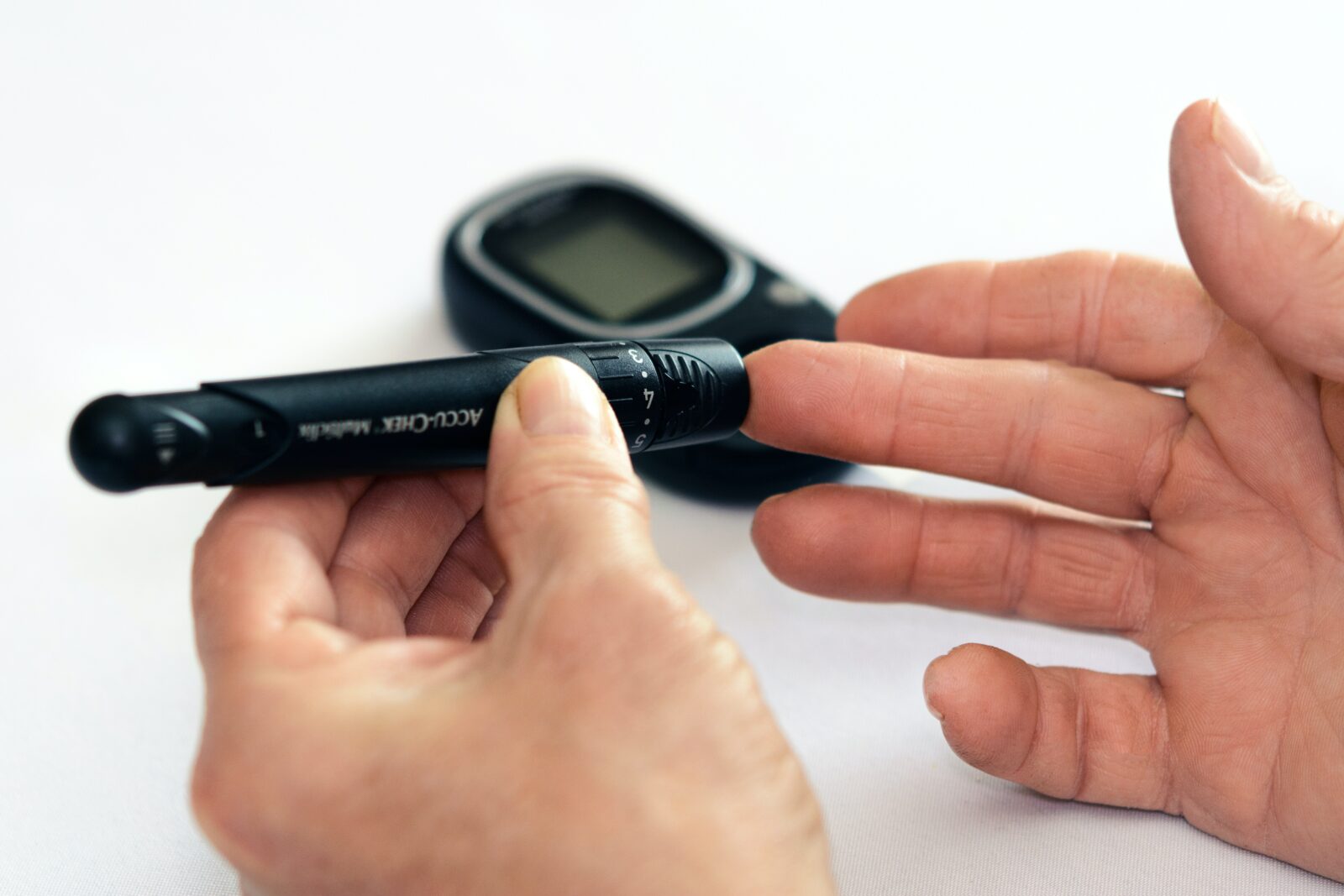
Type 2 diabetes has many causes, and the cause may be a combination of factors that can lead to type 2 diabetes. These are the most common factors associated with developing type 2 diabetes.
Genetics and family history
Genetics may play a key role in your risk for developing type 2 diabetes. According to the American Diabetes Association, the family history of the disease is a stronger link than the genetic and family history link between type 1 diabetes.
Insulin resistance
Your body uses the hormone called insulin to help glucose in the bloodstream enter cells in order to use it for energy. However, if you develop insulin resistance, the cells in your muscles, liver, and fat don’t respond efficiently to the action of insulin. That makes it harder for the glucose to enter your cells from the bloodstream.
This leaves a higher than normal level of sugar in your blood. Your pancreas responds by producing higher and higher levels of insulin. However, it’s a self-defeating circle. The pancreas works harder, but it also becomes progressively harder to make enough insulin. Your blood sugar levels remain high, and you may develop prediabetes or type 2 diabetes.
Visceral fat
A certain type of fat, called visceral fat, can increase the risk for type 2 diabetes. This is the type of fat that surrounds your internal organs such as your intestines or liver. Visceral fat makes up around 10% of your total body fat. However, it is the highest associated risk for metabolic problems like insulin resistance. In fact, research suggests that people with larger waistlines who may have more of this belly fat are at higher risk for type 2 diabetes.
Sedentary lifestyle
Sitting for long periods of time can raise your risk of developing type 2 diabetes. It has been shown that regular physical activity can help you better keep your blood sugar levels in check.
Some medications
Some medications may predispose you to develop type 2 diabetes. For instance, corticosteroids like prednisone are prescribed to treat inflammation, but they’re also associated with a risk of developing diabetes. High doses of statins, which are used to treat high cholesterol, may also increase your risk.
Other drugs that are linked with a higher risk for developing diabetes include:
- beta-blockers
- second-generation antipsychotic drugs
- thiazide diuretics
Other drugs may also raise your blood sugar levels. If you have other risk factors for type 2 diabetes, talk to your doctor about this if you are prescribed a new medication. If you have concerns about current medication, talk to your doctor first rather than not taking it.
Certain medical conditions
If you have prediabetes, your blood sugar levels are elevated but not quite enough to qualify for a diabetes diagnosis. More than 84 million adults in the United States have prediabetes. You can take steps to get your blood sugar levels back into a healthy range, typically through eating nutrient-rich foods and exercise.
Other conditions that may increase your risk of developing type 2 diabetes include:
- high blood pressure
- heart disease
- a history of stroke
- polycystic ovary syndrome (PCOS)
- having low levels of HDL cholesterol and high levels of triglycerides
Does sugar cause diabetes?
Some people believe that eating sugar will cause you to develop type 2 diabetes. This is not the case. According to a 2015 study published in the Journal of Diabetes Investigation, research shows that drinking an excess of sugar-sweetened beverages is linked to a higher risk of developing type 2 diabetes. However, natural sugars, such as those in fruit, do not have the same effect.
Whether you will develop diabetes depends on multiple factors. One way to counteract those factors is to eat a nutrient-dense diet and get regular physical activity. This will improve your overall health and decrease the chance that you may develop type 2 diabetes.
Risk factors
Certain factors increase your risk of developing type 2 diabetes.
- Family. If you have a parent or sibling with type 2 diabetes, your chance of developing the condition is greater.
- Being overweight or obese. Weight can be a risk factor. People who are overweight or obese are at elevated risk for developing type 2 diabetes.
- Age. You can develop type 2 diabetes at any age, but people over age 45 are at greater risk for type 2 diabetes.
- Race/ethnicity. Type 2 diabetes is more prevalent in people who are African American, Hispanic/Latino, Native American, or Alaska Native, as well as for some Pacific Islanders and Asian Americans, according to the Centers for Disease Control and Prevention (CDC).
- History of gestational diabetes. Women who develop gestational diabetes during pregnancy are more likely to go on and develop type 2 diabetes later in life. Research estimates that between 15 and 70 percent of women with gestational diabetes are more likely to eventually develop diabetes.
- Lack of physical activity. If you live a very sedentary lifestyle, you may be raising your risk of developing type 2 diabetes.
Final thoughts
Many factors can influence your chances of developing type 2 diabetes. Some are factors that you can control, at least to some degree, but some are factors that are beyond your control.
If you believe you’re at risk for developing type 2 diabetes, talk with your doctor about ways you can help lower the risk of developing the condition.