
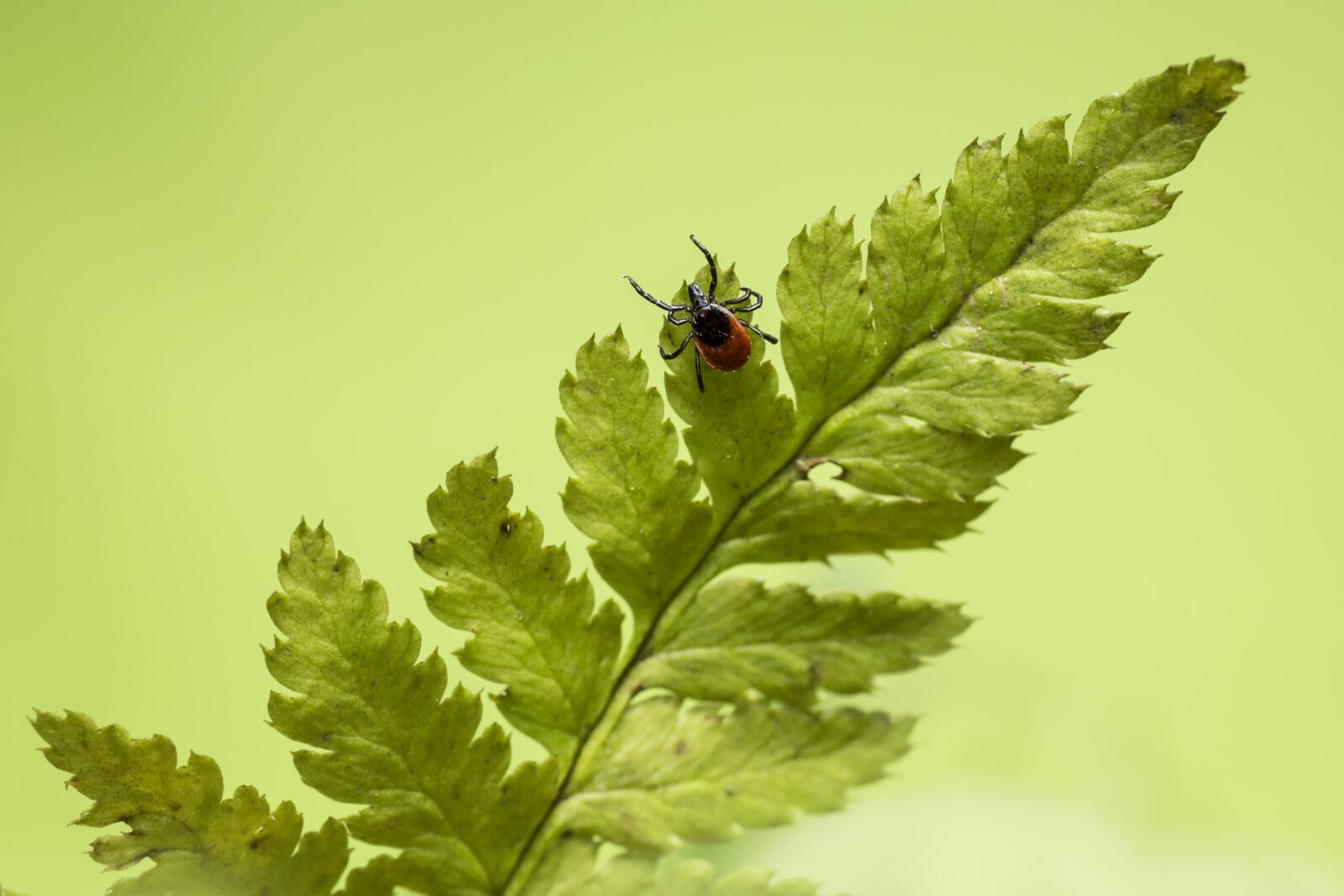
For many years, the typical treatment for Lyme disease was a course of antibiotics, which generally work to kill the infection. However, around 20% of people with Lyme disease do not respond to antibiotics, and the symptoms of cognitive impairment, fatigue, and muscle pain linger for years and sometimes decades.
A recent study by Stanford Medicine conducted in lab dishes and using mice produced evidence that the drug azlocillin can completely kill the bacteria Borrelia burgdorferi, which causes Lyme. This gives hope to patients who have a Lyme infection that is impervious to other antibiotics.
“This compound is just amazing,” said Jayakumar Rajadas, Ph.D., assistant professor of medicine and director of the Biomaterials and Advanced Drug Delivery Laboratory at the Stanford School of Medicine. “It clears the infection without a lot of side effects. We are hoping to repurpose it as an oral treatment for Lyme disease.”
Dr. Rajadas was the senior author of the study, while the lead author was research associate Venkata Raveendra Pothineni, Ph.D.
“We have been screening potential drugs for six years,” Pothineni said. “We’ve screened almost 8,000 chemical compounds. We have tested 50 molecules in the dish. The most effective and safest molecules were tested in animal models. Along the way, I’ve met many people suffering from this horrible, lingering disease. Our main goal is to find the best compound for treating patients and stop this disease.”
The search for an alternative medicine
Dr. Rajadas and his team began searching for a better treatment for Lyme disease in 2011. They published a study in Drug Design, Development and Therapy that featured 20 chemical compounds out of around 4,000 that were efficacious at killing a Lyme infection in mice. All 20 had FDA approval for various uses.
The study showed that azlocillin, which was listed in the top 20 chemical compounds, outperformed over 7.450 other chemical compounds in killing B. burgdorferi while producing fewer side effects. Lyme disease affects over 300,000 Americans each year according to the CDC. It can negatively impact the brain, heart, skin, joints, and nervous system. It can cause arthritis and heart problems if left untreated. Symptoms include fever, headaches, chills, and muscle and joint pain.
Conventional antibiotics like doxycycline are effective for the treatment of Lyme disease in most patients. However, scientists have not been able to determine why conventional antibiotics fail to treat 10% to 20% of all Lyme patients.
“Some researchers think this may be due to drug-tolerant bacteria living in the body and continuing to cause disease,” said Rajadas, who is also a member of the Lyme Disease Working Group at Stanford. “Others believe it’s an immune disorder caused by bacteria during the first exposure, which causes a perpetual inflammation condition. Whatever the cause, the pain for patients is still very real.”
Azlocillin outperforms other treatments
The drug, which is not on the market, was tested in mouse models of Lyme disease at seven-day, 14-day, and 21-day intervals and found to eliminate the infection. For the first time, azlocillin was also shown to be effective in killing drug-tolerant forms of B. burgdorferi in lab dishes, indicating that it may work as a therapy for lingering symptoms of Lyme disease.
The 2 doctors have patented the chemical compound for the treatment of Lyme disease. They are currently collaborating with a company to produce an oral form of azlocillin, and they are planning to conduct clinical trials.
Rajadas is also a professor of bioengineering and therapeutic sciences at the University of California-San Francisco.
Other Stanford co-authors are Hari-Hara S. K. Potula, Ph.D., senior research scientist; postdoctoral scholars Aditya Ambati, Ph.D., and Venkata Mallajosyula, Ph.D.; senior research scientist Mohammed Inayathullah, Ph.D.; and intern Mohamed Sohail Ahmed. A researcher at Loyola College in India also contributed to the work.