
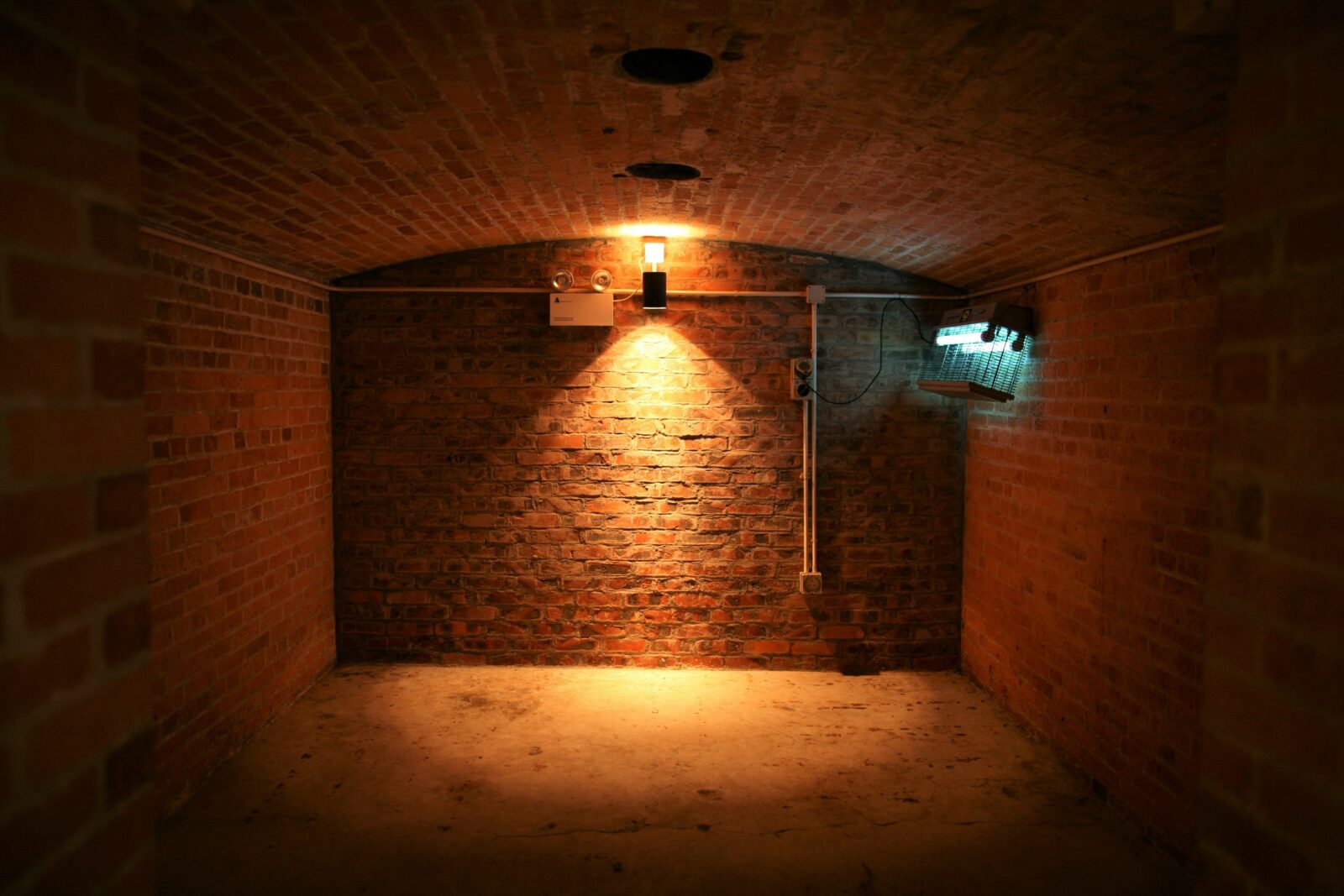
Do you have mold in your home? It’s a critical issue that you should be aware of. Mold in your home can cause health issues and impact your home’s foundation and structural integrity.
Mold in your home can cause serious problems including large remediation bills. In addition, invisible mold can destroy your home silently. Here are a few things you can do to prevent mold from taking over your home.
Preventing a serious mold issue in your home
Mold can thrive anywhere that there is moisture and organic matter available to feed on. Basements are a common area where mold can multiply quickly. It can damage the basement and cause health problems like headaches, stuffy noses, coughing, and allergies.
If the mold in your basement is a potential health and safety hazard, how do you eliminate it? Let’s take a look at how you can identify mold, get rid of invisible mold, identify the products to use and not to use when eliminating mold. Let’s also look at how to determine when to hire a mold treatment expert and what it may cost you.
What causes mold to grow in the basement?
Mold can be found everywhere because it is a part of the natural environment. The United States Environmental Protection Agency (EPA) says that “Outdoors, molds play a part in nature by breaking down dead organic matter such as fallen leaves and dead trees, but indoors, mold growth should be avoided.”
Mold is often found in the basement because this part of the home provides the most suitable environment for mold growth. It has the food required by the mold to grow. This source of food could be paper, cardboard boxes, or wood. Also, the warmth and moisture in the basement provide an optimal environment for the mold to multiply.
How do you identify basement mold?
To eliminate mold and ensure it doesn’t return, you must first identify it. The easiest way to check for mold is to sniff around for a musty smell. The limited ventilation in your basement will make it much easier for you to detect any strange odors.
In addition to the smell, you can identify mold by seeing visible spores. However, once it’s visible, the problem has already become a large problem that must be addressed.
Since mold can grow undetected, the best way of determining if there is mold in your basement is to know the signs. These include:
- Water damage: A basement that has recently been flooded is likely to have mold even as it becomes dry.
- Physical damage: Mold damage can manifest through soft spots, watermarks, cracks, or paint that starts to bubble on the ceiling or walls.
- Allergic reactions: When everyone begins to experience symptoms like a stuffed or runny nose, itchy eyes or throat, skin irritation, and respiratory infections that subside when the individuals leave the basement or your home, there could be a mold problem in your home.
Invisible basement mold
Frequently, a mold problem is not visible. Yet, you need to find it to prevent thousands of dollars in home repairs as the problem worsens and potentially causes illness.
Looking for visible signs of mold is not the best way to check for mold growth. This is because mold likes to grow in dank areas, where people usually don’t go or look. You will frequently find mold under cabinets, behind the fridge, and behind walls rather than out in the open.
Actually, calling it “invisible mold” is a bit of a misnomer. It’s just hidden from view. Invisible mold is any mold growth that happens out of sight, which makes it significantly more dangerous.
It is dangerous because it can grow undetected behind walls and under floors for years before you find it. It can even lie dormant for lengthy periods before it becomes a severe health hazard.
Why should you get rid of basement mold?
According to the Centers for Disease Control and Prevention (CDC), mold can have adverse health effects on people. The same organization reports that individuals with allergies are more sensitive to mold.
The CDC also adds that in the presence of molds, “Individuals with chronic respiratory disease (e.g., chronic obstructive pulmonary disorder, asthma) may experience difficulty breathing.” This includes individuals with suppressed immune systems. Plus, mold is unsightly and can cause extensive property damage.
Mold can grow undetected
When looking for hidden mold, check the following:
- Air ducts
- Areas close to water pipes
- Behind wallpaper, paneling, and drywall
- The opposite side of ceiling tiles
- Under carpets and rugs
- Wall surfaces behind furniture
Addressing mold in the basement
Now that you recognize mold in your home causes problems, you need to look at how you can address the situation. However, it is impossible to get rid of all mold and mold spores indoors; some mold spores will be floating through the air and in house dust. However, mold spores floating around will not multiply unless they find the right environment.
Now, let’s look at some common ways to deal with mold in the basement before it starts or after it has started to grow.
Don’t use bleach
If you find a tiny mold section and manage to limit the moisture, you can use a DIY solution. However, you need to be careful what you use.
Many people suggest spraying diluted bleach over the infected area. But this method is not always effective and may damage your home.
When you spray diluted bleach on porous surfaces, the bleach remains on the surface while the water soaks inside. The bleach might kill spores close to the surface, but it won’t solve the issue below. The water absorbs into the material and can promote mold growth, which you obviously don’t want.
In addition, bleach is a strong acid, and it can eat away at wood and concrete. That could damage your house further by using a bleach solution on studs or your foundation.
Bleach solutions can work on nonporous surfaces, but most materials in your house are porous. As such, a vinegar solution is a better option, or you can contact a remediation company to demolish and replace the affected areas.
The EPA agrees that bleach should not be used as a routine practice during mold cleanup. The agency states: “In most cases, it is not possible or desirable to sterilize an area; a background level of mold spores will remain.”
Use vinegar to address mold
Vinegar is an effective solution for treating mold in small sections. Vinegar has antifungal and antibacterial properties, and it can be an inexpensive and effective treatment for many types of molds.
Pour undiluted white vinegar into a spray bottle and spray generously over the infected area. Let the vinegar sit on the surface for about an hour. After an hour, spray the surface with water and wipe it dry immediately. The vinegar will soak into the porous material, killing the spores both on and beneath the surface.
You can repeat this process the following day if required, but mold quickly dies in the presence of acidic vinegar, so you should only need one or two applications.
Preventing basement mold
Below are some ways that can help you minimize the risk of mold returning in your basement:
- Limit the moisture in your house to inhibit the growth of the mold.
- You may want to invest in a dehumidifier as well to limit the moisture in the air. If you can confirm that a roof or plumbing leak is the culprit, fix the problem immediately to stop the mold from getting worse.
- Solve the underlying problem first before carrying out remediation.
- Keep your basement dry with exhaust fans.
- Keep basement humidity between 30 and 50%.
- Do not install carpet in the basement.
- Avoid having plants in the basement.
- Clean regularly with a vacuum that has a High-Efficiency Particulate Air (HEPA) filter so that mold spores do not get a chance to accumulate.
- Avoid putting damp items in the basement.
- Remove clutter from the basement because it can create a suitable environment for mold growth.
- Repair leaks without delay.
- Ensure that water flows away from the house and not towards it when it’s raining.
When should you hire an expert?
If you have a severe mold issue, it’s best to call in professionals. You will also need a professional if you can smell or see the molds but can’t determine the source of the problem.
A professional will also be required if the problem has grown so big that you can’t solve it using simple DIY methods. Also, if you have any allergies that the mold may trigger, you shouldn’t attempt to deal with the mold problem yourself.
Once you are clear about the extent of the mold problem, fixing it could cost between $10 and $25 per square foot. Some of the factors impacting the cost of dealing with the mold problem: type of mold and size, location, and the cost of labor in your area.