
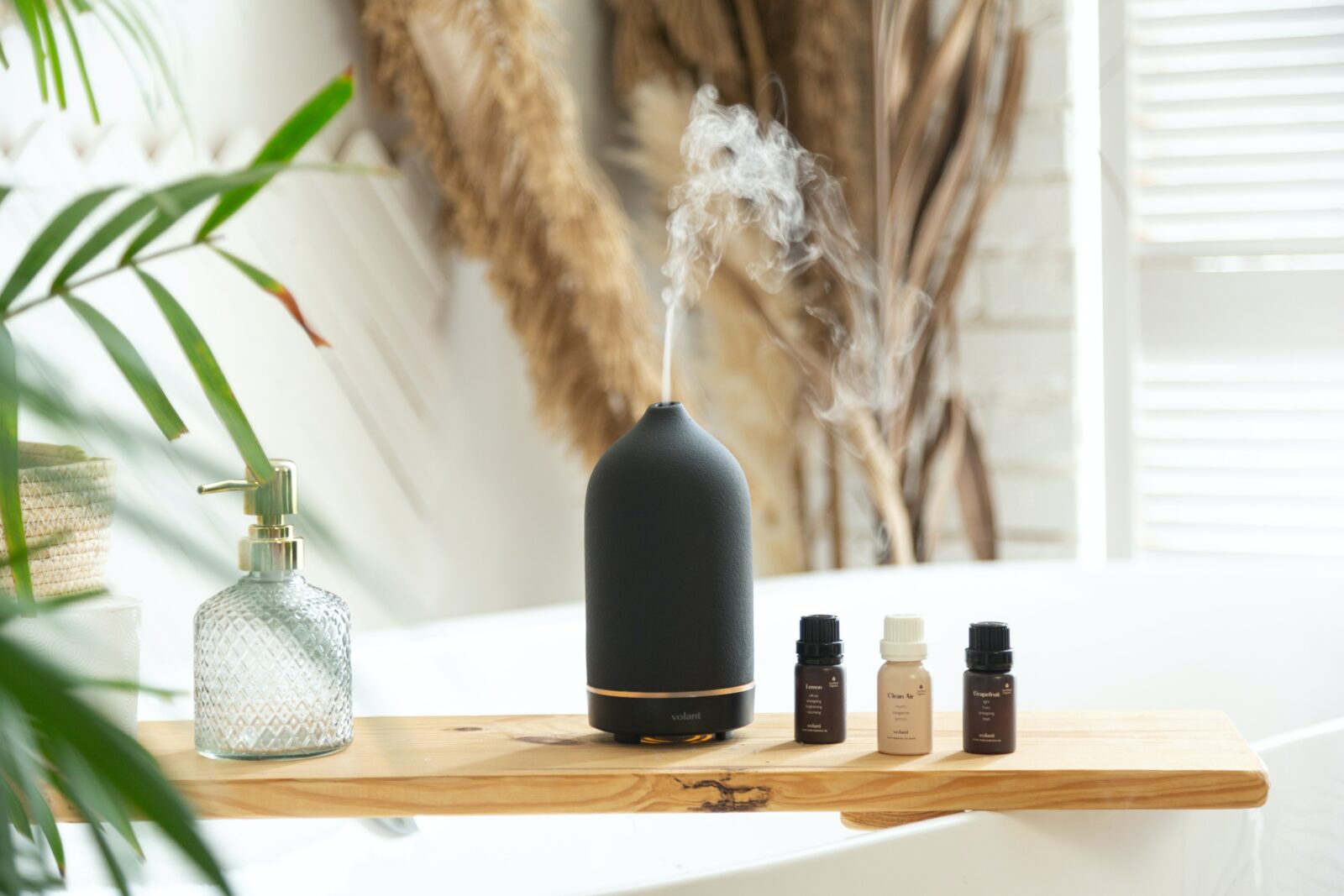
Anxiety is a common mental health issue that affects millions of people worldwide. If you’re struggling with anxiety, know that you’re not alone. Fortunately, there are several natural remedies that can help alleviate the symptoms of anxiety, including aromatherapy and mindfulness meditation.
Aromatherapy involves using essential oils to promote relaxation and reduce stress. Essential oils are derived from plants and are known for their calming and soothing properties. According to a study published in the Journal of Alternative and Complementary Medicine, inhaling lavender oil can help reduce anxiety and improve sleep quality (1). Similarly, a study published in the International Journal of Nursing Practice found that inhaling bergamot essential oil can help reduce stress and anxiety in patients undergoing dialysis (2).
How do essential oils help alleviate anxiety?
Essential oils can help alleviate anxiety in several ways. One of the primary ways that essential oils work is through their scent, which can activate the olfactory system and trigger a relaxation response in the brain. The olfactory system is connected to the limbic system, which is responsible for regulating emotions and stress response. When we inhale the scent of certain essential oils, it can have a calming and relaxing effect on the mind and body.
Additionally, many essential oils have specific chemical components that have been shown to have anxiolytic (anti-anxiety) properties. For example, the essential oil of lavender contains linalool and linalyl acetate, which have been shown to have sedative and anxiolytic effects (1). Similarly, the essential oil of bergamot contains the compound linalyl acetate, which has been shown to reduce anxiety and improve mood (2).
Finally, the act of using essential oils can be a form of self-care and mindfulness, which can also help reduce feelings of anxiety. Engaging in a calming and soothing practice like aromatherapy with essential oils can help reduce stress and promote a sense of calm and well-being.
Which essential oils work to alleviate anxiety?
There are several essential oils that can help alleviate anxiety, but here are the top 7:
- Lavender: Known for its calming and relaxing properties, lavender essential oil can help reduce anxiety and promote restful sleep.
- Bergamot: This citrusy essential oil has been shown to reduce stress and anxiety and can help elevate mood.
- Ylang-Ylang: Ylang-ylang essential oil has a sweet, floral aroma that can help calm the mind and promote relaxation.
- Chamomile: Chamomile essential oil has a soothing, gentle scent that can help promote calm and reduce anxiety.
- Frankincense: Frankincense essential oil is known for its grounding and centering properties, making it a popular choice for reducing anxiety.
- Vetiver: With its earthy, woody scent, vetiver essential oil can help promote relaxation and reduce feelings of stress and anxiety.
- Patchouli: Patchouli essential oil has a warm, earthy aroma that can help promote calm and relaxation.
These essential oils can be used in a variety of ways, including diffusing them into the air, applying them topically (diluted with a carrier oil), or adding them to a warm bath.
Mindfulness meditation for addressing anxiety
Mindfulness meditation, on the other hand, involves focusing your attention on the present moment, without judgment. This practice has been shown to reduce symptoms of anxiety and improve overall mental health. A study published in the Journal of Anxiety Disorders found that mindfulness-based stress reduction (MBSR) was effective in reducing symptoms of generalized anxiety disorder (3). Similarly, a meta-analysis published in the Journal of Psychiatric Research found that mindfulness meditation was effective in reducing symptoms of anxiety and depression (4).
Mindfulness meditation can alleviate anxiety by helping individuals develop greater awareness and acceptance of their thoughts, feelings, and bodily sensations. When we experience anxiety, we often become caught up in negative thoughts and worries about the future, which can amplify feelings of fear and stress.
Through mindfulness meditation, individuals learn to observe their thoughts and feelings without judgment, and to bring their attention back to the present moment. This can help break the cycle of negative thinking and reduce the intensity of anxious thoughts and feelings.
Research has shown that mindfulness meditation can have several specific benefits for reducing anxiety, including:
- Reducing rumination: Rumination is the tendency to focus on negative thoughts and feelings. Mindfulness meditation can help interrupt the cycle of rumination and shift attention to the present moment.
- Reducing avoidance: Avoidance is the tendency to avoid or suppress uncomfortable thoughts and feelings. Mindfulness meditation can help individuals become more willing to experience and accept difficult emotions, which can reduce the need to avoid them.
- Increasing self-compassion: Mindfulness meditation can help individuals develop greater self-compassion, which involves treating oneself with kindness and understanding, rather than judgment and self-criticism. This can help reduce feelings of shame and self-blame, which are often associated with anxiety.
- Improving emotion regulation: Mindfulness meditation can help individuals develop greater emotional awareness and control, which can help them respond more effectively to anxiety-provoking situations.
Mindfulness meditation can alleviate anxiety by helping individuals develop greater awareness and acceptance of their thoughts and feelings, reducing negative thought patterns, increasing self-compassion, and improving emotion regulation.
Integrating Aromatherapy and Mindfulness Meditation into Your Day
To incorporate aromatherapy and mindfulness meditation into your daily routine, try the following steps:
- Choose an essential oil that promotes relaxation, such as lavender, bergamot, or chamomile.
- Use a diffuser to disperse the essential oil into the air.
- Sit comfortably and close your eyes.
- Focus on your breath and inhale the soothing scent of the essential oil.
- If your mind wanders, gently bring your attention back to your breath and the scent of the essential oil.
Remember, treating anxiety with aromatherapy and mindfulness meditation takes practice and patience. It may not work overnight, but with consistent practice, you may find that your anxiety symptoms improve over time.
Final thoughts
If you’re struggling with anxiety, know that there are natural remedies that can help alleviate your symptoms. Aromatherapy and mindfulness meditation are two effective practices that have been shown to reduce anxiety and improve overall mental health. By incorporating these practices into your daily routine, you may find that you feel more relaxed, centered, and at peace.
REFERENCES:
Koulivand, P. H., Khaleghi Ghadiri, M., & Gorji, A. (2013). Lavender and the nervous system. Evidence-Based Complementary and Alternative Medicine, 2013, 1-10.
Seifi, Z., Beikmoradi, A., & Poorolajal, J. (2017). The effect of aromatherapy with bergamot essential oil on depression, anxiety, and stress in hemodialysis patients: A randomized controlled trial. International Journal of Nursing Practice, 23(6), e12617.
Hoge, E. A., Bui, E., Marques, L., Metcalf, C. A., Morris, L. K., Robinaugh, D. J., … & Simon, N. M. (2013). Randomized controlled trial of mindfulness meditation for generalized anxiety disorder: effects on anxiety and stress reactivity. Journal of anxiety disorders, 27(4), 297-304.
Khoury, B., Sharma, M., Rush, S. E., & Fournier, C. (2015). Mindfulness-based stress reduction for healthy individuals: A meta-analysis. Journal of Psychiatric Research, 68, 53-60.
Buchbauer, G., Jirovetz, L., Jäger, W., Plank, C., & Dietrich, H. (1993). Fragrance compounds and essential oils with sedative effects upon inhalation. Journal of Pharmaceutical Sciences, 82(6), 660-664.
Komiya, M., Takeuchi, T., & Harada, E. (2006). Lemon oil vapor causes an anti-stress effect via modulating the 5-HT and DA activities in mice. Behavioural Brain Research, 172(2), 240-249.