
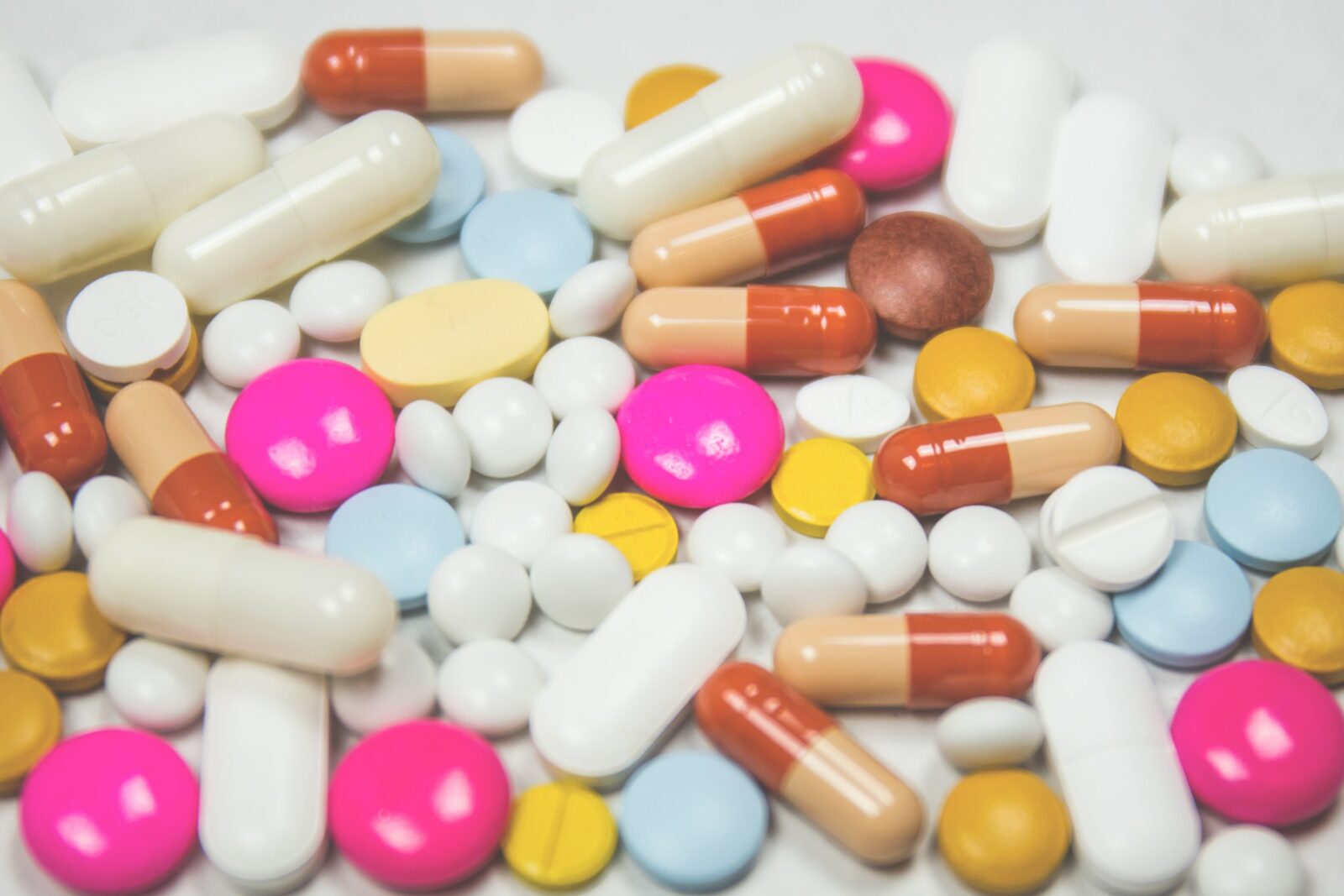
Antibiotics save millions of lives every year. At the same time, they do have some side effects, such as killing the beneficial microbes in our gut. This weakens the first line of defense against pathogens as well as the beneficial effects our microbiome has on our health. Common side effects are gastrointestinal problems and recurrent Clostridioides difficile infections. They include long-term health problems, such as the development of metabolic, allergic, immunological, or inflammatory diseases.
Researchers from EMBL Heidelberg, the Maier lab at the University of Tübingen, and collaborators have analyzed the effects of 144 antibiotics on our most common gut microbes. The study published in the journal Nature substantially improves our understanding of antibiotics’ effects on gut microbes. It also suggests a new approach to mitigating the adverse effects of antibiotics therapy on the gut microbiome.
The gut microbiome enables us to use nutrients more efficiently and hinders pathogenic bacteria from settling in our gut. However, when we treat a bacterial infection with antibiotics, there’s a risk of damaging the gut microbiome. Many antibiotics inhibit the growth of pathogenic bacteria. This broad activity spectrum is effective at treating infections, but it increases the risk that the microbes in our gut are targeted as well.
If beneficial gut bacteria are harmed more than others, antibiotics therapy can lead to an imbalance in our microbiota composition, called dysbiosis. Diarrhea is a common short-term effect, while allergic conditions such as asthma or food allergies, and obesity are possible long-term consequences.
“So far, our knowledge of the effects of different antibiotics on individual members of our gut microbial communities has been patchy. Our study fills major gaps in our understanding of which type of antibiotic affects which types of bacteria, and in what way,” said Nassos Typas, Senior Scientist and Group Leader at EMBL Heidelberg.
The researchers how each of the 144 antibiotics affected the growth and survival of up to 27 bacterial strains commonly inhabiting our guts. They determined the concentrations at which a given antibiotic would affect these bacterial strains for more than 800 antibiotic–strain combinations.
The experiments showed that tetracyclines and macrolides – two commonly used antibiotics families – not only stopped bacteria from growing but also lead to their death. Approximately 50% of the tested gut strains did not survive treatment with these types of antibiotics.
“We didn’t expect to see this effect with tetracyclines and macrolides, as these antibiotic classes were considered to have only bacteriostatic effects – which means that they stop bacterial growth, but don’t kill bacteria,” said Camille Goemans, a postdoctoral fellow in the Typas group who shares first authorship with Maier. “Our experiments show that this assumption is not true for about half of the gut microbes we studied. Doxycycline, erythromycin, and azithromycin, three commonly used antibiotics, killed several abundant gut microbial species, whereas others they just inhibited.”
The selective killing of beneficial bacteria by tetracyclines and macrolides could lead to these microbes being lost from the gut microbiome more quickly than microbes for which growth is only inhibited. This could explain the strong microbiota alterations that some patients being treated with these antibiotics experience.
It is possible to mitigate the damage. “We have shown before those drugs interact differently across different bacterial species. We explored whether a second drug could mask the harmful effects of antibiotics on abundant gut microbes, but allow antibiotics to retain their activity against pathogens. This would provide something like an antidote, which would reduce the collateral damage of antibiotics on gut bacteria,” said Typas.
The scientists combined the antibiotics erythromycin or doxycycline with a set of nearly 1,200 pharmaceuticals to identify drugs that would save two abundant gut bacterial species from the antibiotic. They found several non-antibiotic drugs that could rescue these gut microbes and other related species. The combinations used did not inhibit the antibiotic’s efficacy against the pathogenic bacteria.
The team of researchers showed that the combination of erythromycin with an antidote mitigated the loss of certain abundant gut bacterial species from the mouse gut. In addition, antidote drugs protected human gut microbes from erythromycin in complex bacterial communities derived from stool samples.
“Our approach that combines antibiotics with a protective antidote could open new opportunities for reducing the harmful side effects of antibiotics on our gut microbiomes,” concluded Maier. “No single antidote will be able to protect all the bacteria in our gut – especially since those differ so much across individuals. But this concept opens up the door for developing new personalized strategies to keep our gut microbes healthy.”
Further research is necessary to identify the best combinations, dosing, and formulations for antidotes, and to exclude potential long-term effects on the gut microbiome. Innovative treatments may help to keep our gut microbiome healthy and reduce antibiotics’ side effects in patients, without compromising the efficiency of the antibiotics.
Final thoughts
Antibiotics help us to treat bacterial infections and save millions of lives each year. But they can also harm the beneficial bacteria in our gut microbiome, weakening one of our body’s first lines of defense against pathogens and compromising the multiple beneficial effects our microbiota has on our health. Common side effects of this collateral damage of antibiotics are gastrointestinal problems and recurrent Clostridioides difficile infections. They also include long-term health problems, such as the development of allergic, metabolic, immunological, or inflammatory diseases.