
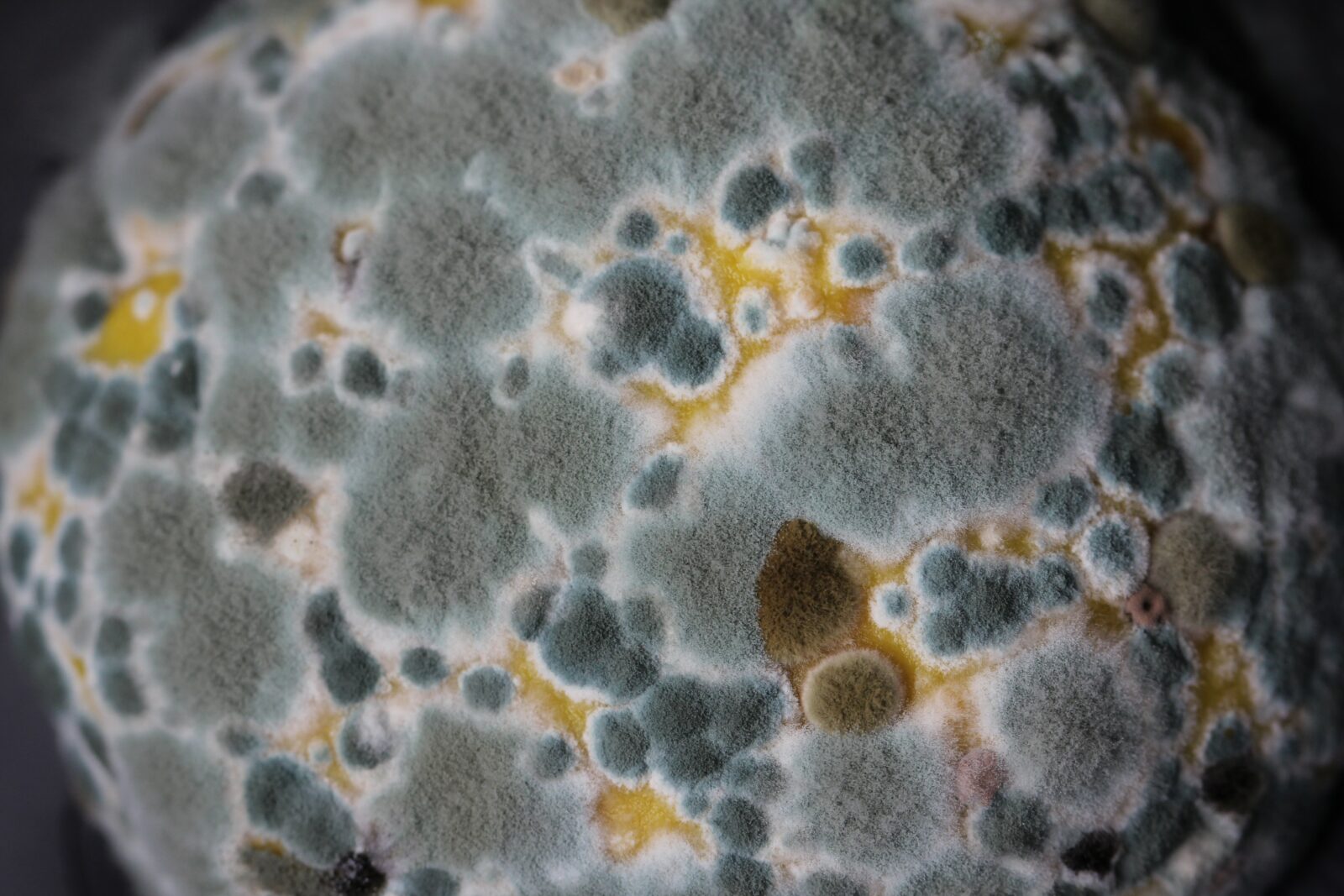
Most of us know very little about indoor air quality and contaminants. Mold growth and indoor contamination aren’t typical conversation topics. Many people don’t know that bleach should not be used to effectively eliminate mold, even though most people use bleach for that purpose.
To create a healthier environment, you need to remove bacteria, mold, and mycotoxins with appropriate methods.
Because of COVID-19, we are all more aware of keeping bacteria off surfaces to prevent illness and infection. But, what about mold?
Even when you remove the mold, the bacteria and mycotoxins can remain behind if the proper cleaning method isn’t used.
These harmful contaminants are especially difficult to remove and wipe away because they stick to the surface like super glue. If these particles are left behind, exposure continues, and any symptoms can persist. Knowing the how and why of removing bacteria, mold, and mycotoxins is so crucial.
The effort towards a clean indoor space doesn’t just begin and end with remediation. Removing bacteria, mold, and mycotoxins proactively also helps ensure your home remains as safe and clean as possible.
Removing bacteria, mold, and mycotoxins
When dealing with a mold problem, you need to know which microscopic particles are at issue, how they got into your home, and how to eliminate them.
Mold: the fungus in our homes
Scientists have identified over 100,000 species of mold, and they all reproduce by creating microscopic spores and releasing them into the air. It’s similar to how a dandelion puff releases those fluffy white seeds into nature. Like a seed, these spores won’t begin to grow unless they find a surface with the perfect conditions. Mold spores need four simple ingredients to grow.
These four components are:
- Oxygen (they require a ridiculously small amount)
- Food (they eat almost anything)
- Temperature (most prefer 40-90 degrees Fahrenheit, but some can live in the extremes)
- Moisture (the often missing component)
Most of our indoor spaces provide the first three conditions. However, if an area develops a moisture problem and a spore finds it, that spore can begin growing quickly. Onces its roots are growing, it begins releasing more spores.
Mycotoxins: microscopic toxins
Some species of mold can also create and release microscopic toxins called mycotoxins in response to a perceived threat.
Researchers are still trying to pinpoint what these threats are, but they may be harsh chemicals or a new species of mold arriving in its territory. These mycotoxins float in the air until they land on a surface and stick like glue.
The FDA established limits for acceptable amounts of mycotoxins in our food products, but no limits have been established for our indoor environments.
The combined effect of mold and mycotoxins
What kind of problems does this cause? First, mold can eat through many of the surfaces it’s growing on, like flooring and drywall. However, the most crucial issue is the effect indoor mold growth can have on health.
As the mold grows and releases spores (and sometimes mycotoxins), all of those particles remain trapped within your home. They float through the air and land on whatever surface they brush up against. Without mitigation, the mold will thrive and reproduce, thereby damaging the air quality and covering your home with contamination.
One misconception is that mold remains in a contained area. This is not true. Tiny microscopic particles will distribute throughout your home, even different levels. Getting rid of that contamination and creating a safe environment involves decontaminating the entire home, including belongings.
Bacteria: the third threat to your health
There are approximately 30,000 species of bacteria identified, and they exist almost everywhere in the world. Not all bacteria are bad for our health. Some are beneficial to our health, such as those within the digestive system that help process our food. However, some are pathogens that can cause serious health problems.
Similar to mold, bacteria thrive in indoor spaces because they frequently offer perfect conditions for growth. Every species is a little different and requires variations of things such as pH, oxygen, temperature, and carbon dioxide levels, but most will thrive indoors.
A water event can lead to mold growth, but it can also provide the perfect conditions for bacterial growth. While mold reproduces by creating spores, bacteria primarily reproduce through a process called binary fission, where the cell splits into two identical cells.
In the right conditions, this process will continue, and bacteria cells will build up. Because these particles are so small, around 2 microns on average, they can become airborne by movements such as walking or a random air current. Then, those particles will fly all throughout the home.
Removing bacteria, mold, and mycotoxins
A micron is one-millionth of a meter. To put it into perspective, you’d have to line up 1,000 microns to equal the distance between those two tiny lines on a ruler. Since the human eye can only see particles around 40 microns in size, these are tiny particles that have the ability to go airborne and make their way into our lungs.
The EPA coined these small particles “particulate matter” and breaks them down into two categories, both of which are inhalable:
- PM10: particles that have a diameter of around 10 micrometers or less.
- PM2.5: fine particles that have a diameter of around 2.5 micrometers or less.
With mold spores averaging 1-20 microns in size and mycotoxins around 0.1, a majority of these three indoor contaminants can easily enter our bodies and start causing mayhem.
Why removing bacteria, mold, and mycotoxins is important for your health
Researchers are still attempting to determine exactly how this fungus affects our bodies. Aspects such as genetics, length of exposure, species of mold, and immune system status all play a role. What they know is that individuals with a compromised or developing immune system are at a much greater risk of developing symptoms faster and to a greater extent.
Regardless of the variables, inhaling a large number of foreign particles isn’t good for your health. The immune system will attempt to fight them all off, but eventually, it can dysfunction. This is why mold exposure is found concurrent with autoimmune conditions such as Lyme disease, Candida, and PANS/PANDAS.
However, considerable research exists regarding the effect these particles can have on our bodies. While mycotoxins are naturally toxic, bacteria have a variety of methods (based on the species) of releasing harmful toxins that are harmful to the body.
The combined effect of these contaminants can cause symptoms such as:
- Chronic fatigue
- Brain fog
- Digestive issues
- Coughing
- Watery eyes
- Rashes
- Neurological problems
- Fever
- Hormone imbalances
- Respiratory issues
These adverse health effects are why it’s important to immediately and properly handle indoor mold growth and the other contaminants that might be present. If the particles remain in the home, exposure will continue and so will those symptoms.
Removing bacteria, mold, and mycotoxins
Whether you’re taking care of a small mold problem on your own, a large remediation project, or seeking to prevent any issues from occurring in the first place, you need a plan for removing bacteria, mold, and mycotoxins from your home.
Minor mold problems
If you have a small spot of mold, you still want the right tools and methods for eliminating the mold. If you’re handling this small problem on your own, assume that bacteria and mold are present. It’s always better to be safe than sorry when it comes to the health of you and your family.
The surface type will determine the method of cleaning.
These surface types include:
- Porous: liquid absorbs into them, such as clothing, lampshades, and carpet
- Non-porous: liquid pools on top of them, such as finished wood, sealed countertops, and glass
- Semi-porous: some liquid pools on top and some seeps into it, such as unsealed wood, leather furniture, and some plastic
Gather your cleaning tools. These should include a HEPA vacuum cleaner, botanical cleaning products, microfiber towels, and protective gear. If you or a family member are experiencing symptoms from this mold, you might want to invest in an air scrubber to remove any particles that become airborne during cleaning.
Then, tackle the mold using the proper cleaning procedures based on the surface type.
The key thing to remember is to complete the cleaning process at least three times to remove mycotoxins and bacteria. From there, thoroughly clean the entire room that was affected, as well as the rest of the home, to remove any stray particles.
If the mold comes right back, you can attempt to clean it again, but if it’s a personal belonging, it’s best to throw it out and replace it. Or you might call a mold inspector and determine if there’s a bigger problem. Again, when it comes to your health, acting with caution is always the best choice.
Remediation projects
This is a multi-step process that must be done correctly to remove the contamination from the home.
Contact a mold inspector to assess the current contamination in your home. Do some research because not all inspectors have the same levels of skill and quality. The one you choose should take a few hours to inspect your home and use a variety of testing methods.
Some of the data you should expect to see is:
- Types of molds present
- Quantities of each mold
- Potential spores in the HVAC system
- Presence of mycotoxins
- Presence of bacteria
This will provide the remediation team with the information they need to tackle the project and ensure all the contamination is removed from your home. Like mold inspectors, remediation teams have different levels of skills and qualifications.
Each step is crucial because if they fail to fix the source of the problem, the mold and bacterial growth can come back stronger than ever down the road. Also, when they do not attempt to remove mycotoxins and bacteria, those contaminants will remain behind and continue affecting your health.
When the remediation team leaves, you should have a mold problem that is resolved and a home that’s decontaminated completely.
Prevention project
The best way to avoid a mold problem and maintain a clean and safe house is to actively start removing bacteria, mold, and mycotoxins. It’s inevitable that mold spores, mycotoxins, and bacteria will make their way into your home. Even food products can have these tiny particles on them!
Because modern homes are built tighter for energy efficiency, those particles will remain inside and continue to build up unless eliminated. Built-up toxic particles in a home create poor air quality, impact health, and increase the chances of a moldy, bacteria-packed, toxic issue developing.
To actively work on removing bacteria, mold, and mycotoxins from the home, you can:
- Invest in HEPA filters
- Routinely deep clean your home
- Invest in air purifiers
- Schedule bi-annual HVAC service appointments
There are many other steps you can take to start removing bacteria, mold, and mycotoxins from your home, but these steps are the best way to start. When in doubt or if you’re looking for more ways to prevent a contaminated indoor environment, contact an expert to get their advice.
Preventing particle chaos
Lastly, you want to avoid an event that creates a mass of airborne particles. That’s why it’s important to know how to create a safe environment including removing bacteria, mold, and mycotoxins. When these are all over the place, your health and the health of your family can suffer.
Many people may not know how important a safe indoor space is, but more are learning. Do what you can when you can to create a safe and clean environment. You take 20,000 breaths per day on average, and most of those inhalations are taken right within your own home. Clean air matters!