
Maintaining optimal heart health and managing blood sugar levels are crucial aspects of overall well-being. Berberine, a compound found in several medicinal plants, has gained attention for its potential to support both cardiovascular health and blood sugar regulation. This article explores the scientific evidence surrounding berberine’s benefits, highlighting key findings from peer-reviewed studies.
Berberine and heart health
Cardioprotective effects
Several studies have shown that berberine possesses cardioprotective properties. A systematic review and meta-analysis published in the Journal of Ethnopharmacology in 2017 analyzed 14 randomized controlled trials involving over 1,000 participants. The review revealed that berberine supplementation significantly reduced total cholesterol, LDL cholesterol, and triglyceride levels while increasing HDL cholesterol levels, all of which contribute to improved heart health [1].
Blood pressure management
Hypertension, or high blood pressure, is a major risk factor for cardiovascular disease. Research has suggested that berberine may help manage blood pressure. A randomized controlled trial published in the Journal of Clinical Hypertension in 2019 investigated the effects of berberine on blood pressure in individuals with prehypertension or hypertension. The study concluded that berberine supplementation significantly lowered both systolic and diastolic blood pressure compared to a placebo group [2].
Berberine and blood sugar management
Regulation of blood glucose levels
One of the most well-known benefits of berberine is its ability to help regulate blood sugar levels. A systematic review and meta-analysis published in the journal Planta Medica in 2019 examined 27 randomized controlled trials involving over 2,500 participants. The analysis found that berberine supplementation was associated with significant reductions in fasting blood glucose levels, postprandial blood glucose levels, and glycosylated hemoglobin (HbA1c) levels [3].
Insulin sensitivity
Insulin resistance, a condition in which cells become less responsive to insulin, is a precursor to type 2 diabetes. Berberine has shown promising effects in improving insulin sensitivity. A study published in the International Journal of Clinical and Experimental Medicine in 2018 investigated the effects of berberine on insulin sensitivity in individuals with metabolic syndrome. The results indicated that berberine supplementation significantly improved insulin sensitivity compared to a placebo [4].
Common sources of berberine
Berberine can be found in several plant species, with the highest concentrations typically found in the roots, rhizomes, and stems. Some of the most common natural sources of berberine include:
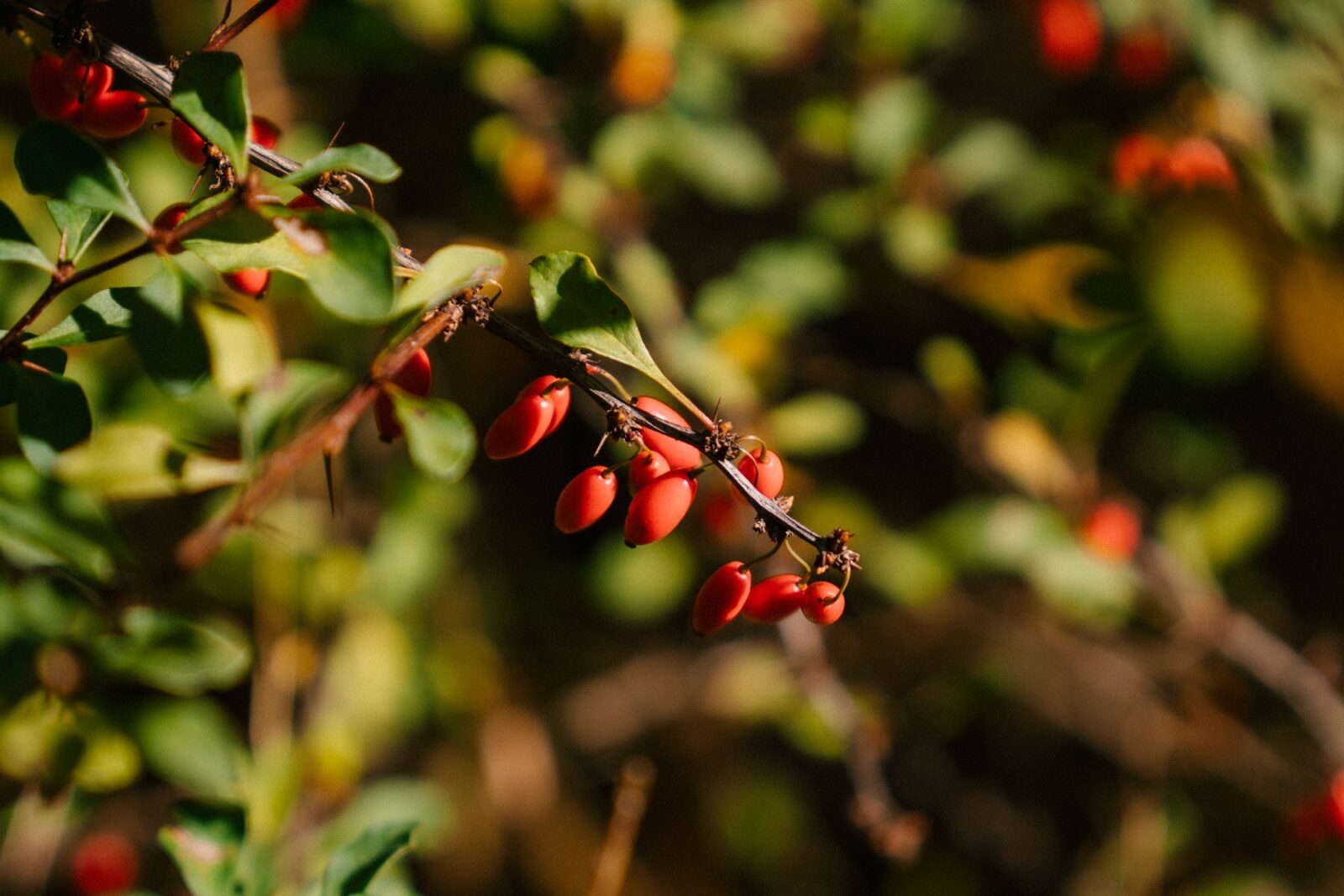
- Barberry (Berberis vulgaris): Barberry is a shrub native to Europe, Asia, and Africa. Its bark, roots, and berries contain significant amounts of berberine. Barberry has a long history of traditional use in herbal medicine.
- Goldenseal (Hydrastis canadensis): Goldenseal is a perennial herb native to North America. It is renowned for its high berberine content, which is concentrated in its rhizomes (underground stems). Goldenseal has been traditionally used by Native American tribes for its medicinal properties.
- Oregon Grape (Mahonia spp.): Oregon grape is a flowering plant that is native to western North America. It is commonly used as a natural source of berberine. The roots and stems of various Oregon grape species, such as Mahonia aquifolium and Mahonia nervosa, contain significant amounts of berberine.
- Chinese Skullcap (Scutellaria baicalensis): Chinese skullcap is a traditional Chinese herb that contains berberine in its roots. It has been used in traditional medicine for its various health benefits.
- Coptis (Coptis chinensis): Coptis, also known as goldthread or Huanglian, is a perennial herb native to East Asia. Its rhizomes are a rich source of berberine and are widely used in traditional Chinese medicine.
- Phellodendron (Phellodendron amurense): Phellodendron, also known as Amur cork tree, is a deciduous tree native to East Asia. The bark of Phellodendron contains berberine and has been used in traditional medicine.
These natural sources of berberine are often used in the production of dietary supplements or herbal preparations. However, it is essential to purchase berberine supplements from reputable sources to ensure quality, purity, and accurate dosages.
Conclusion
Berberine offers a natural approach to supporting heart health and managing blood sugar levels. The compound has demonstrated cardioprotective effects, including lipid profile improvement and blood pressure management. Additionally, berberine has shown promise in regulating blood glucose levels and enhancing insulin sensitivity, making it a valuable asset for individuals aiming to maintain healthy blood sugar levels and reduce the risk of metabolic disorders.
While the studies cited provide evidence of berberine’s potential benefits, it is important to consult with a healthcare professional before starting any new supplementation regimen, especially for individuals with pre-existing medical conditions or those taking prescription medications.
REFERENCES:
Dong H, et al. (2017). Berberine in the treatment of type 2 diabetes mellitus: A systemic review and meta-analysis. Journal of Ethnopharmacology, 161, 69-81.
Zhang Y, et al. (2019). Efficacy of berberine on blood pressure: A systematic review and meta-analysis of randomized controlled trials. Journal of Clinical Hypertension, 21(9), 1260-1269.
Dong H, et al. (2019). Berberine in the treatment of type 2 diabetes mellitus: A systemic review and meta-analysis. Planta Medica, 85(2), 139-153.
4. Ma J, et al. (2018). Effects of berberine on insulin resistance in patients with metabolic syndrome: A meta-analysis of randomized controlled trials. International Journal of Clinical and Experimental Medicine, 11(7), 6662-6671.