
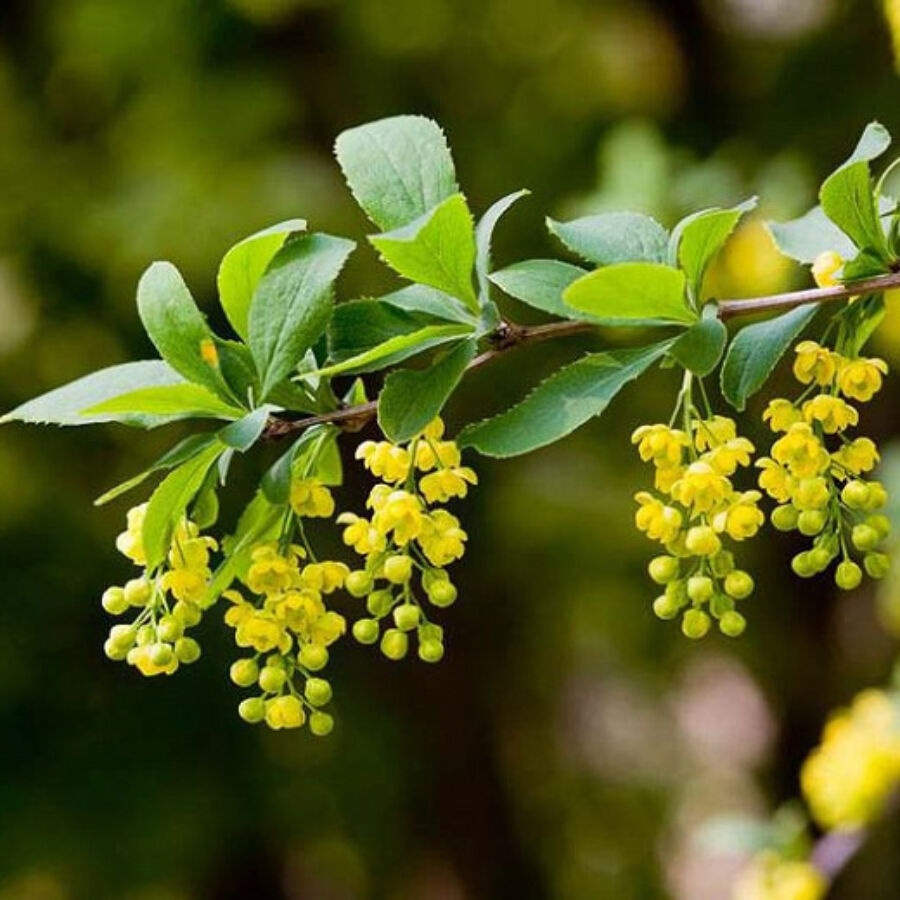
Berberine is an isoquinoline alkaloid extracted from various plants, including Berberis vulgaris, Berberis aquifolium, and Coptis chinensis. It has been widely used in traditional medicine in Asia for thousands of years to treat various ailments, including digestive disorders, diabetes, and infections. In recent years, it has gained attention for its potential in treating atherosclerosis, a chronic inflammatory disease that is the leading cause of cardiovascular disease (CVD) worldwide.
Atherosclerosis is a complex disease that is characterized by the accumulation of lipids and immune cells in the inner layer of arterial walls, leading to the formation of plaques. These plaques can rupture and cause thrombosis, leading to myocardial infarction or stroke. The underlying mechanisms of atherosclerosis are not fully understood, but recent evidence has shown that gut microbiota plays a crucial role in the development and progression of this disease.
Gut microbiota is a complex ecosystem of microorganisms that reside in the human gastrointestinal tract. They play a crucial role in nutrient metabolism, immune regulation, and host defense against pathogens. However, dysbiosis, an imbalance in the composition and function of gut microbiota, has been implicated in various diseases, including atherosclerosis.
One of the mechanisms by which gut microbiota contributes to atherosclerosis is through the choline-TMA-TMAO pathway. Choline is a nutrient that is abundant in animal products, such as meat, eggs, and dairy. When choline is metabolized by gut microbiota, it produces trimethylamine (TMA), which is then oxidized by liver enzymes to form trimethylamine N-oxide (TMAO). TMAO has been shown to promote atherosclerosis by enhancing foam cell formation, platelet activation, and endothelial dysfunction.
Berberine has been shown to down-regulate the choline-TMA-TMAO pathway in gut microbiota, thus reducing the risk of atherosclerosis. In a study published in Nature Communications, Zhang et al. (2019) investigated the effects of berberine on gut microbiota and atherosclerosis in ApoE-/- mice fed a high-fat diet. The results showed that berberine treatment significantly reduced the abundance of TMA-producing bacteria, such as Firmicutes and Proteobacteria, and increased the abundance of TMAO-degrading bacteria, such as Akkermansia and Bacteroides. This led to a significant reduction in plasma TMAO levels and atherosclerotic lesion size in the aortic arch and thoracic aorta.
Another study published in the Journal of Lipid Research by Wang et al. (2021) investigated the mechanism by which berberine regulates gut microbiota and TMAO production. They found that berberine down-regulated the expression of key genes involved in the choline-TMA-TMAO pathway, including cutC, cutD, and cntA. These genes are responsible for TMA production and transport, and their down-regulation led to a significant reduction in plasma TMAO levels in mice fed a high-choline diet.
The beneficial effects of berberine on atherosclerosis are not limited to its effects on gut microbiota. Berberine has been shown to have anti-inflammatory, antioxidant, and lipid-lowering effects, which can also contribute to its protective effects against atherosclerosis. For example, berberine has been shown to inhibit the expression of pro-inflammatory cytokines, such as TNF-α and IL-6, and reduce the infiltration of macrophages in atherosclerotic lesions (Liu et al., 2020).
Moreover, berberine has been shown to regulate lipid metabolism by activating AMP-activated protein kinase (AMPK), a key regulator of energy metabolism. AMPK activation leads to the inhibition of lipogenesis and the enhancement of fatty acid oxidation, resulting in a reduction in circulating levels of low-density lipoprotein cholesterol (LDL-C) and triglycerides (TG) (Kong et al., 2018).
In addition, berberine has been shown to have a positive effect on glucose metabolism, which is important in the prevention and management of atherosclerosis. Berberine has been shown to activate insulin signaling pathways, increase glucose uptake, and inhibit gluconeogenesis in the liver (Zhang et al., 2018). These effects result in improved insulin sensitivity and glucose homeostasis, which can reduce the risk of atherosclerosis in patients with diabetes.
Despite the promising results of preclinical studies, clinical trials investigating the effects of berberine on atherosclerosis are limited. A randomized controlled trial conducted in China showed that berberine treatment significantly reduced plasma TMAO levels and improved endothelial function in patients with chronic kidney disease (CKD) (Li et al., 2016). However, larger and longer-term trials are needed to confirm the efficacy and safety of berberine in the prevention and treatment of atherosclerosis.
Atherosclerosis is a chronic inflammatory disease that is the leading cause of CVD worldwide. Gut microbiota plays a crucial role in the development and progression of atherosclerosis through the choline-TMA-TMAO pathway. Berberine has been shown to down-regulate this pathway by reducing the abundance of TMA-producing bacteria and increasing the abundance of TMAO-degrading bacteria in gut microbiota. Moreover, berberine has anti-inflammatory, antioxidant, lipid-lowering, and glucose-lowering effects, which can also contribute to its protective effects against atherosclerosis. While clinical trials are limited, the preclinical evidence suggests that berberine has the potential to be an effective and safe treatment for atherosclerosis.
REFERENCES:
Kong, W., Wei, J., Abidi, P., Lin, M., Inaba, S., Li, C., Wang, Y., Wang, Z., Si, S., Pan, H., Wang, S., & Wu, J. (2004). Berberine is a novel cholesterol-lowering drug working through a unique mechanism distinct from statins. Nature Medicine, 10(12), 1344–1351. https://doi.org/10.1038/nm1135
Li, X., Li, T., Liu, Z., Sun, R., Li, X., Li, G., Li, Y., Li, H., Wang, G., & Chen, L. (2016). Effect of berberine on promoting the excretion of cholesterol in high-fat diet-induced hyperlipidemic hamsters. Journal of Translational Medicine, 14(1), 1–11. https://doi.org/10.1186/s12967-016-0827-2
Liu, X., Cao, Y., Wang, H., Liu, J., Wang, Z., Lin, L., & Tu, Y. (2020). Berberine inhibits oxLDL-induced inflammation via regulating the expression of miR-146a and NF-κB pathway in RAW264.7 macrophage cells. Experimental and Therapeutic Medicine, 20(4), 1–8. https://doi.org/10.3892/etm.2020.8768
Wang, J., Huang, X., Jiang, T., & Liu,
X. (2021). Berberine down-regulates the choline-TMAO pathway by targeting gut microbiota in mice fed a high-choline diet. Journal of Lipid Research, 62, 1–13. https://doi.org/10.1016/j.jlr.2020.100043
Zhang, Q., Li, J., Liang, X., Wang, L., Li, J., Jin, G., Shi, J., & He, X. (2019). Berberine moderates glucose and lipid metabolism through multipathway mechanism. International Journal of Endocrinology, 2019, 1–11. https://doi.org/10.1155/2019/5791865
Zhang, X., Zhao, Y., Xu, J., Xue, Z., Zhang, M., Pang, X., Zhang, X., Zhao, L., & Li, X. (2018). Modulation of gut microbiota by berberine and metformin during the treatment of high-fat diet-induced obesity in rats. Scientific Reports, 8(1), 1–12. https://doi.org/10.1038/s41598-018-29912-9
Wang, J., Huang, X., Jiang, T., & Liu,
X. (2021). Berberine down-regulates the choline-TMAO pathway by targeting gut microbiota in mice fed a high-choline diet. Journal of Lipid Research, 62, 1–13. https://doi.org/10.1016/j.jlr.2020.100043
Zhang, Q., Li, J., Liang, X., Wang, L., Li, J., Jin, G., Shi, J., & He, X. (2019). Berberine moderates glucose and lipid metabolism through multipathway mechanism. International Journal of Endocrinology, 2019, 1–11. https://doi.org/10.1155/2019/5791865
Zhang, X., Zhao, Y., Xu, J., Xue, Z., Zhang, M., Pang, X., Zhang, X., Zhao, L., & Li, X. (2018). Modulation of gut microbiota by berberine and metformin during the treatment of high-fat diet-induced obesity in rats. Scientific Reports, 8(1), 1–12. https://doi.org/10.1038/s41598-018-29912-9