
Have you ever experienced sudden hunger and a sugar drop just a few hours after eating? In some circumstances, the cause is histamine intolerance and mast cell activation syndrome (MCAS).
There is a link between histamine and blood sugar levels. Research shows that blood sugar imbalances can increase histamine levels. And, MCAS and histamine intolerance can contribute to diabetes and insulin resistance. Stabilizing your blood sugar levels is always important, but it is necessary to improve MCAS symptoms and histamine intolerance.
Let’s take a look at the connection between histamine, blood sugar levels, histamine intolerance, and MCAS in addition to how they are related to prediabetes, diabetes, and insulin resistance. Let’s also take a look at some natural strategies for blood sugar imbalances and histamine intolerance.
What is blood sugar?
Blood sugar or blood glucose is the primary sugar found in your blood. Blood glucose
Blood glucose is the main sugar found in your blood. Blood glucose comes from the food and drinks you consume. Your blood delivers glucose to your cells for energy. Insulin helps with moving the glucose into your cells. Keeping your blood sugar stable is crucial. If it’s too high or too low, it’s a problem.
Diabetes is a condition characterized by blood sugar levels that are too high. With type 1 diabetes, your body is unable to produce insulin to deal with your blood glucose. With type 2 diabetes, your body either makes an insufficient amount of insulin or is unable to utilize it properly.
With prediabetes, your blood sugar is too high and approaching levels that would result in a diagnosis of diabetes. With insulin resistance, your body is unable to use insulin effectively. Insulin resistance is a precursor to diabetes. Both prediabetes and insulin resistance are risk factors for developing diabetes.
The opposite condition, hypoglycemia, is low blood sugar with symptoms including irregular heartbeat, pale skin, sweating, shakiness, anxiety, dizziness, and irritability. Hypoglycemic episodes may occur in diabetics. Reactive hypoglycemia can happen after eating a meal. Or you may experience hypoglycemia due to medication or health conditions. Even if you don’t have prediabetes, diabetes, or hypoglycemia, you may experience changes to your blood sugar due to lifestyle, medications, or diet. These blood sugar changes may also affect your histamine levels.
What are histamine intolerance and MCAS
Histamine is involved in many functions in your body. It communicates with your brain to release stomach acid to aid digestion. It helps eliminate allergens when you have an immune response. Typically, your body releases enzymes to break down any buildup of histamine. However, if your body is overloaded with histamine due to lifestyle, dietary, environmental, or other factors, your body will not be able to produce enough enzymes to remove the excess histamine. Histamine intolerance can affect your entire body including your brain, lungs, gut, cardiovascular system, and hormones. Histamine intolerance can result in symptoms like fast heart rate, sleep disturbances, digestive issues, skin problems, headaches, imbalanced hormones, anxiety, and more.
In order to understand histamine and histamine intolerance, it is important to understand mast cell activation syndrome (MCAS). Mast cells are white blood cells found in tissues of your skin, urinary tract, digestive tract, respiratory tract, and reproductive organs. They may also be in your blood as the result of an infection or disease. Mast cells have a key role in your immune system. They contain inflammatory mediators inside granules. When you have an allergic reaction, the mast cells trigger the release of histamine and other substances.
MCAS may develop as a result of exposure to mold, toxins, chemicals, allergens, infections, medications, heavy metals, viruses, food, or alcohol. MCAS has symptoms including hives, rashes, heart palpitations, itching, low blood pressure, anxiety, fatigue, headaches, digestion issues, dizziness, weight changes, and weakness. Many MCAS symptoms overlap with histamine intolerance.
The histamine and blood sugar connection
As noted above, some symptoms of histamine intolerance overlap with symptoms of MCAS including rapid heart rate, fatigue, anxiety, and sleep disturbances. Blood sugar and histamine are closely connected. MCAS and histamine intolerance may contribute to the development of diabetes and prediabetes.
Histamine and diabetes
Diabetes is a metabolic disease. It is characterized by the destruction of pancreatic beta cells, elevated blood sugar due to insulin resistance, or both. Histamine intolerance is a risk factor that may contribute to the development of diabetes.
Research studies from the past four decades have shown the connection between histamine, blood sugar, and diabetes. A 1989 study found elevated histamine in those with diabetes. A 1990 study found lower levels of histamine-degrading DAO enzymes in diabetic rats.
One study in 2010 suggested that histamine receptors, H1 and H2, may impact the regulation of lipid metabolism and blood sugar. Another study conducted in 2011 found that manipulating the H3 histamine receptor lowered blood sugar levels in mice with diabetes. Furthermore, a 2012 study published in the ACS Medicinal Chemistry Letters and a 2018 study published in Pharmacological Research both found that targeting and inhibiting the H4 histamine receptor may be helpful for the treatment of diabetes and diabetic neuropathy. Histamine intolerance may also increase the permeability of your blood vessels that can influence the symptoms and progression of diabetes.
The research shows that histamine intolerance must be considered a factor in the treatment of diabetes.
Diabetes and mast cell activation
Mast cell activation syndrome may also contribute to the development of diabetes and its symptoms. Mast cells are linked to inflammation, metabolic diseases, and immune system issues. According to a 2016 study published in the Polish Journal of Pathology, mast cells should be taken into consideration during diabetes treatment.
According to a 2010 study, advanced glycation end products (AGEs) accumulated in people with diabetes, cancer, cardiovascular disease, and neurodegenerative disease, which can activate mast cells resulting in a histamine response. In contrast, a 2012 study found that mast-cell stabilizer medications and antihistamines may be beneficial for reducing complications in those with diabetes.
The research shows that there are links between histamine, diabetes, and mast cells. Still, if you don’t have diabetes, you must still address blood sugar fluctuations, histamine intolerance, insulin resistance, and MCAS. Keeping your blood sugar levels stable is a key step to recovery and overall well-being.
Histamine intolerance and insulin resistance
While much research exists on the connection between histamine, mast cells, and blood glucose in those with diabetes, no research exists on the connection in those without diabetes. A lot of people experience low, high, or unstable blood sugar, insulin resistance, or prediabetes without developing diabetes.
Many people may experience blood sugar fluctuations without showing symptoms of prediabetes or insulin resistance. Many people with histamine intolerance may also have low blood sugar. Balancing blood sugar levels can help reduce or alleviate the symptoms of histamine intolerance.
Frequent blood sugar fluctuations can put enormous stress on your body and trigger histamine release, which contributes to histamine intolerance and subsequent symptoms. Making appropriate dietary strategies, lifestyle changes, and supplementation can help balance your blood sugar.
Natural Solutions for Blood Sugar Imbalance and Histamine Intolerance
If you are dealing with blood sugar imbalance, histamine intolerance, or MCAS, there are a few natural strategies you can try.
Keep track of your blood sugar levels
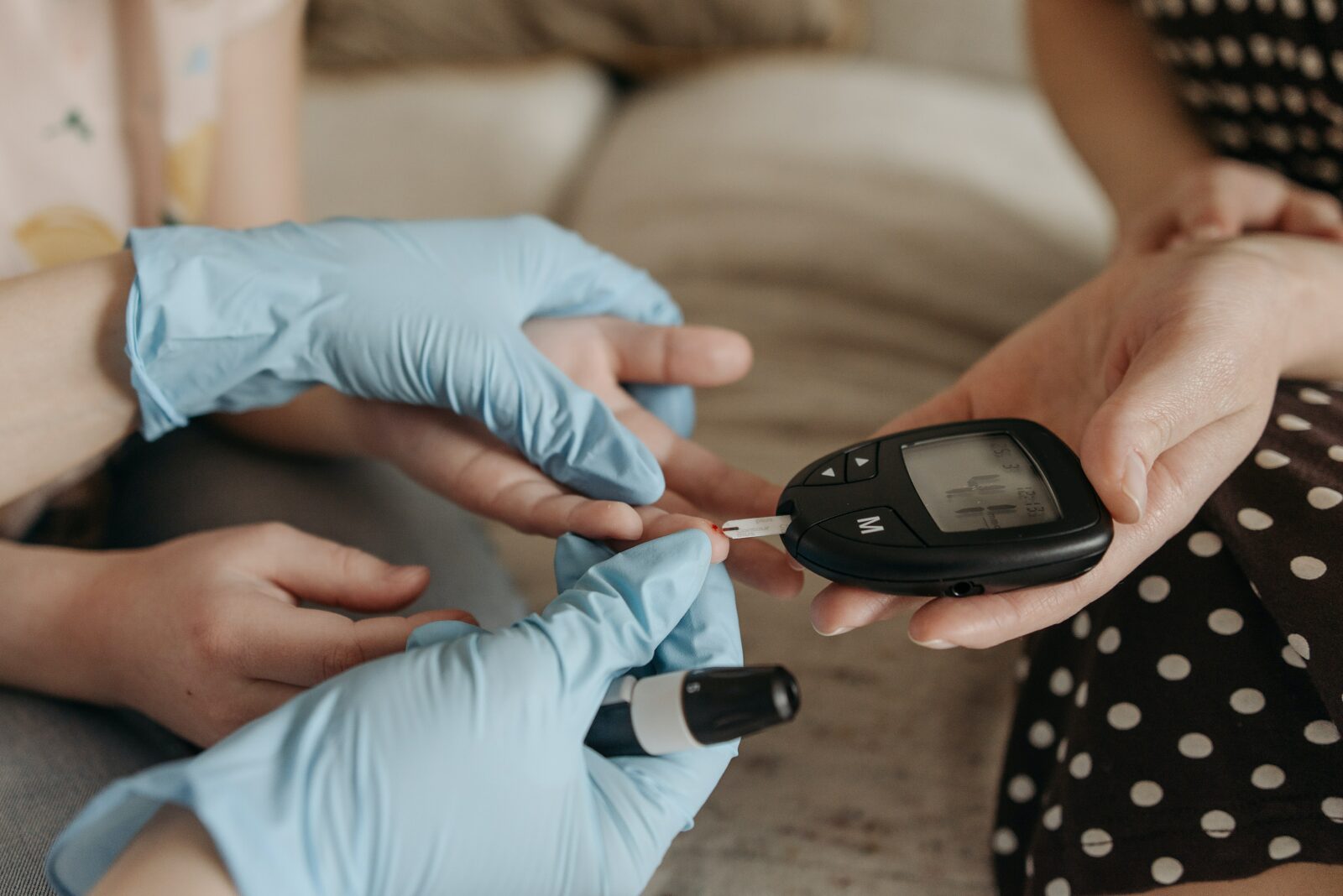
You can try using a glucometer to test the stability of your blood sugar. This is an easy and inexpensive method to measure your blood sugar to support your treatment plan and see your progress. Based on your results, you can adjust your diet and lifestyle to support healthy blood sugar levels. If you are uncertain how to do this, a functional medicine doctor can help you with a personalized nutrition plan to support your health.
Be careful with sugar
If you have blood sugar issues or any health issues, removing refined sugar and sugary processed foods is critical. If you have blood sugar issues or you find that these higher glycemic index fruits and vegetables are causing blood sugar imbalances and symptoms, you may want to reduce or remove higher glycemic index foods and choose low glycemic index fruits, such as berries and vegetables, such as cucumber or celery instead. For sweeteners, use stevia or monk fruit, which are natural and healthy options that do not disrupt your blood sugar levels.
Try blood sugar regulating herbs
While your diet and lifestyle are critical for stabilizing blood sugar levels, there are a variety of herbs that can help to support your blood sugar levels naturally including aloe vera, Nopales cactus, bitter melon, milk thistle, fenugreek, and ginger.
Eat a low-histamine diet
If you have histamine intolerance or MCAS, follow a low-histamine diet high in nutrients. Remove all histamine foods for one to three months. After this elimination phase, slowly re-introduce them one by one following a diet plan. Eat a nutrient-dense diet that is high in antioxidants and anti-inflammatory. Healthy foods can help lower inflammation and balance your blood sugar levels.
Final thoughts
There is a strong connection between histamine and your blood sugar. Blood sugar imbalance can increase your histamine levels, while MCAS and histamine intolerance can contribute to insulin resistance and diabetes. Stabilizing your blood sugar is crucial for improving histamine intolerance and MCAS symptoms. Talk to your doctor about histamine intolerance, MCAS, and blood sugar imbalance to reduce your symptoms, increase your energy, and improve your health and well-being.