
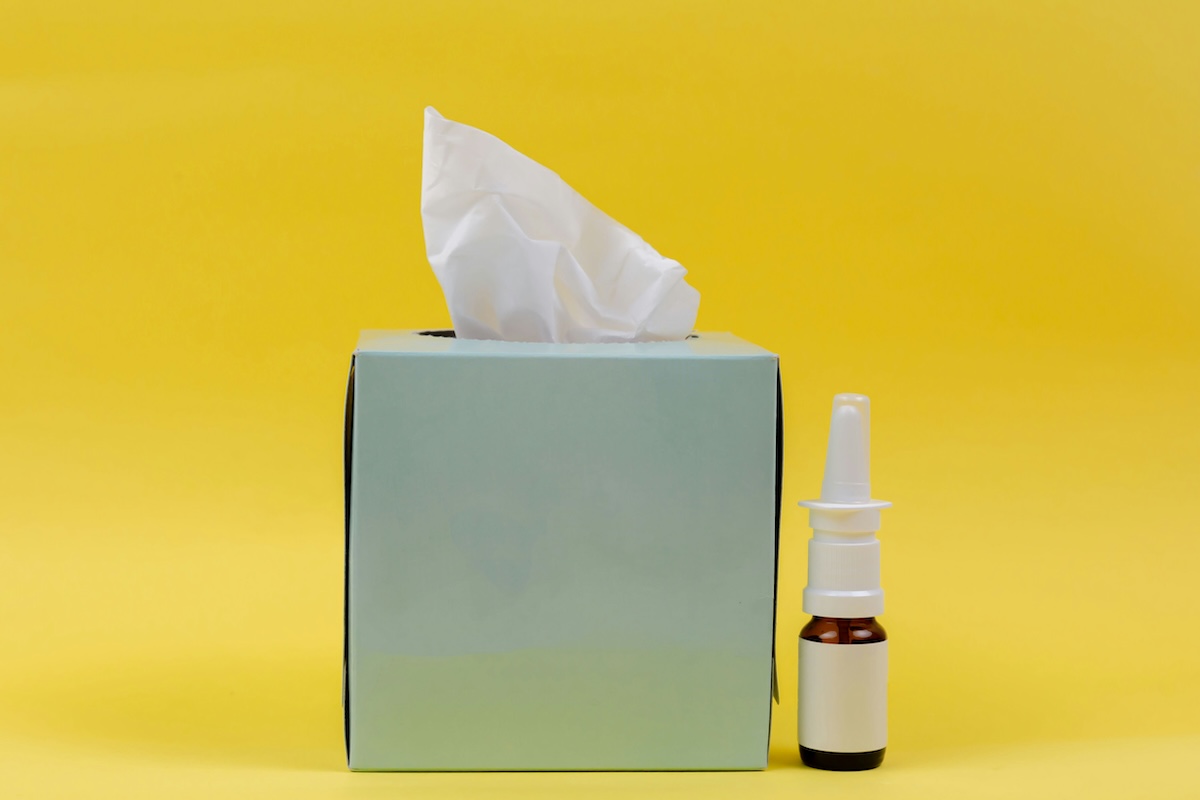
A pioneering study has revealed that over-the-counter nasal sprays could provide an easy method to aid the body during seasonal health challenges, potentially reducing the dependence on traditional treatments.
Understanding Seasonal Health Issues
Symptoms affecting the upper respiratory tract, typically linked with colds and the flu, rank among the most common health problems worldwide. These ailments not only bring discomfort and loss of productivity but also place a heavy burden on healthcare systems, particularly during peak times. In the U.S., adults experience an average of 2-3 episodes of such symptoms annually, with children encountering even more.
These seasonal health conditions usually come with nasal congestion, sore throats, coughing, and general fatigue. While these symptoms are often seen as minor, they can escalate into serious complications, especially among vulnerable groups like the elderly, young children, or individuals with weakened immune systems.
Challenges with Current Treatment Options
Standard treatments for these seasonal ailments mainly focus on managing symptoms rather than supporting the body’s natural defenses. Commonly used over-the-counter medications like antihistamines, decongestants, and pain relievers aim to reduce symptoms. However, these treatments may come with side effects and often don’t aid the body in its self-recovery.
Many patients and healthcare professionals are frustrated by the limitations of these treatments, driving the search for more effective options that either support the body’s natural healing processes or reduce the duration and intensity of symptoms.
The Study’s Breakthrough Insights
A significant study, published in The Lancet Respiratory Medicine, conducted by researchers from the University of Southampton and the University of Bristol, offers new hope for managing seasonal health issues. This research focused on the potential of over-the-counter nasal sprays to alleviate the severity and duration of upper respiratory tract symptoms.
Study Methodology
The researchers executed a large-scale randomized trial, involving 13,799 adults from 332 GP practices across the UK. The participants, who were chosen based on their higher risk for respiratory symptoms due to pre-existing conditions or recurring illnesses, were divided into three groups for comparison:
- Gel-based nasal spray (Vicks First Defence)
- Saline nasal spray
- An online resource advocating for physical activity and stress management
Participants using the nasal sprays were instructed to apply them six times daily at the onset of symptoms.
Key Results
The study’s results were highly encouraging. Lead researcher Professor Paul Little noted:
“Our findings show that nasal sprays significantly reduce the length and severity of respiratory infections and their impact on daily activities, which is crucial during the UK’s winter infection surges.”
Main findings included:
- A 20% reduction in illness duration for both nasal spray groups
- A 20-30% decrease in days lost from work or daily activities
- A 25% reduction in severe symptom days across all groups
- A 25% drop in antibiotic usage across all groups
The online resource promoting physical activity and stress management also provided a moderate 5% reduction in symptom occurrence.
Analysis of the Findings
These results are noteworthy in the context of natural health approaches. Both nasal sprays proved effective in easing seasonal symptoms. The gel-based spray likely supported the nasal passages’ natural protective functions, while the saline spray helped maintain healthy conditions in the nasal cavity.
The data indicate that the sprays were even more effective when used frequently. We recommended using them six times a day at the first sign of a cold, though many participants used them less often.
This suggests the effectiveness of nasal sprays could be higher with strict adherence to usage instructions.
One of the most impactful findings was the reduction in antibiotic use. If these interventions were widely adopted, they could play an important role in reducing antibiotic use, combating antimicrobial resistance, and lessening the burden of respiratory viruses on individuals, healthcare systems, and the economy.
Future Implications and a Holistic Approach to Health
The study paves the way for future research on how nasal sprays can be used to support seasonal health. By showing the benefits of accessible over-the-counter options, the research suggests a shift toward simpler, natural health approaches.
Future areas of study may explore:
- Long-term use of nasal sprays to promote respiratory health
- Combining nasal sprays with other natural health interventions
- Understanding how physical activity and stress management enhance immune function
From a holistic health viewpoint, the study highlights how non-pharmaceutical methods like saline nasal sprays align with natural health principles, supporting the body’s innate defense mechanisms.
Conclusion
This landmark study marks an important development in how we approach seasonal health challenges. By demonstrating the efficacy of over-the-counter nasal sprays, it presents new possibilities for naturally supporting the body during times of heightened health stress.
Our recommendation is to use a nasal spray at the first sign of a cold, cough, sore throat, or flu-like symptoms to help prevent these conditions from worsening.
While more research is needed to fully understand the long-term effects of nasal sprays, this study makes a strong case for incorporating them into everyday health practices. As we continue to explore natural methods for addressing seasonal health issues, nasal sprays could become a valuable tool for maintaining well-being.