
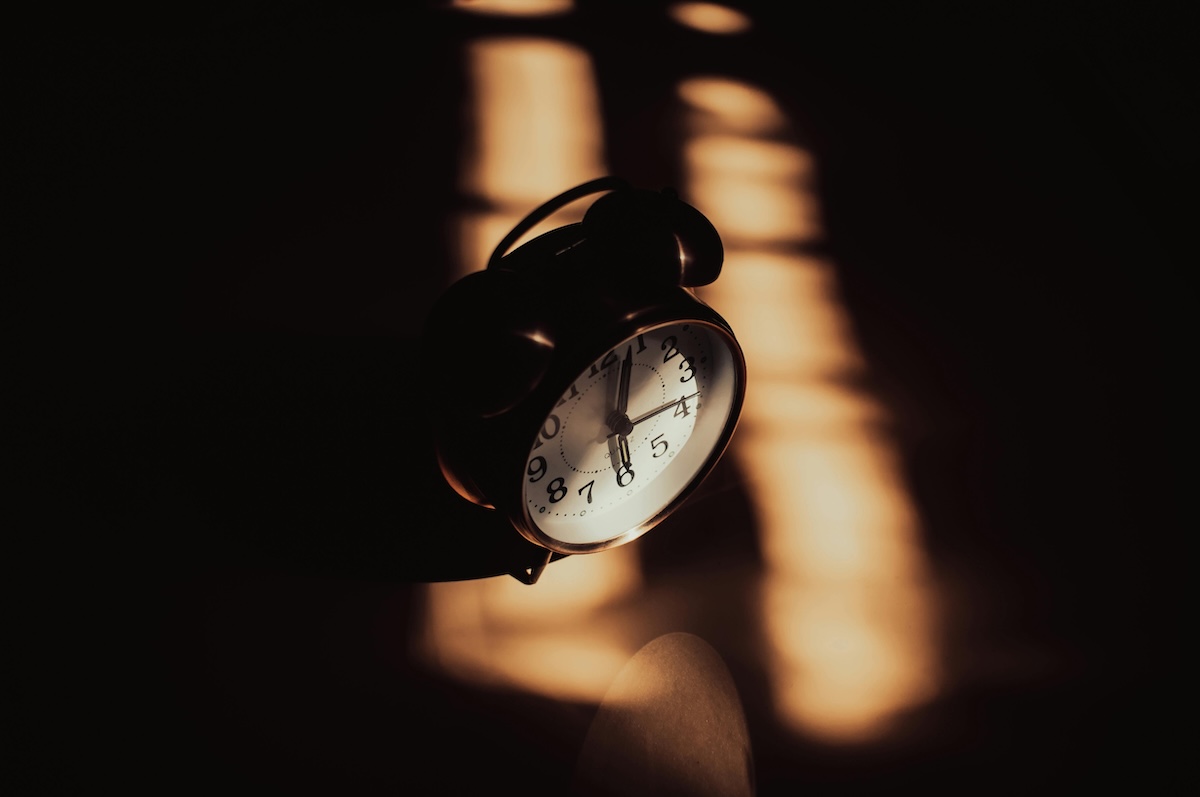
In the field of functional medicine, one principle reigns supreme: the body is an interconnected system, and true healing requires a holistic approach. Few systems embody this principle more than the circadian rhythm—our body’s internal clock that governs not only sleep and wakefulness, but also hormone regulation, metabolism, immune function, and cognitive performance. As modern science continues to explore chronobiology—the study of biological rhythms—it’s becoming clear that aligning our daily habits with our body’s natural cycles can dramatically enhance both metabolic and mental health.
This article will explore advanced yet accessible strategies for optimizing circadian rhythms, blending ancient wisdom with emerging research. Whether you’re struggling with fatigue, brain fog, insulin resistance, or anxiety, realigning your lifestyle with your biological clock may be the most powerful change you can make.
The Circadian Rhythm Explained
At the heart of chronobiology lies the suprachiasmatic nucleus (SCN), a tiny region in the hypothalamus that acts as the master clock. It receives direct input from the eyes and uses light cues to synchronize peripheral clocks located in virtually every tissue and organ system—from the liver and pancreas to the gut and brain.
The circadian rhythm is approximately 24 hours in length and is regulated by zeitgebers (German for “time-givers”)—environmental signals such as light, food, and temperature. When these signals are mistimed, such as eating late at night or spending evenings under blue light, circadian misalignment occurs. Over time, this can disrupt hormone cycles, impair glucose metabolism, disturb sleep, and lead to conditions like obesity, depression, and type 2 diabetes.
Why Circadian Alignment Matters for Metabolic and Mental Health
Recent research highlights the profound impact of circadian health on metabolism and neurobiology. For instance, a 2019 study published in Cell Metabolism showed that eating out of sync with the circadian clock impairs insulin sensitivity and increases blood sugar levels—even if calorie intake remains the same (Sutton et al., 2019). This reinforces what many clinicians observe in practice: when we eat may be just as important as what we eat.
Similarly, in the brain, neurotransmitters such as serotonin, dopamine, and GABA exhibit circadian fluctuations. Disruption of the sleep-wake cycle can deplete these mood-regulating chemicals, increasing the risk for anxiety, depression, and cognitive decline. The pineal gland, which secretes melatonin, also influences cortisol levels, immune function, and even gut microbiota rhythms.
Advanced Techniques for Circadian Rhythm Optimization
Let’s now explore actionable and research-backed techniques to restore circadian alignment and unlock better health.
1. Light Timing and Photobiomodulation
Light is the most powerful zeitgeber. Natural sunlight exposure in the morning triggers cortisol release, boosts alertness, and anchors the body’s internal clock. Conversely, darkness promotes melatonin secretion and prepares the body for restful sleep.
Morning Strategy:
Spend 10–20 minutes outside within 30–60 minutes of waking, ideally without sunglasses. Even cloudy days provide sufficient lux (light intensity) to signal wakefulness.
Evening Strategy:
Avoid bright and blue light exposure after sunset. Use dim, warm-colored lights or wear blue-blocking glasses after 7 PM. Apps like f.lux or device settings like Night Shift can reduce blue light emission from screens.
Advanced Practice:
Near-infrared (NIR) light therapy, or photobiomodulation, can be used in the morning to simulate sunrise. Red/NIR wavelengths have been shown to improve mitochondrial function, reduce inflammation, and support circadian alignment.
2. Time-Restricted Eating (TRE)
TRE, a form of intermittent fasting, involves consuming all meals within a consistent daily window—often 8 to 10 hours—aligned with daylight hours. This method is particularly powerful in restoring metabolic flexibility, reducing insulin resistance, and harmonizing peripheral clocks.
Optimal Window:
Aim for your first meal within 1–2 hours of waking and finish your last meal at least 3 hours before bedtime. Eating late at night disrupts melatonin-insulin interplay and impairs glucose tolerance.
Scientific Support:
A 2020 randomized trial in Cell Metabolism found that early TRE (eating between 7 AM and 3 PM) significantly reduced insulin levels, oxidative stress, and appetite in men with prediabetes—even without weight loss (Sutton et al., 2020).
3. Temperature Regulation and Thermal Cues
Body temperature is both influenced by and influential to circadian timing. The core body temperature naturally dips at night, preparing the body for sleep, and rises in the morning to promote wakefulness.
Evening Techniques:
Cool your environment after sunset. Keep your bedroom temperature between 60–67°F. Taking a warm shower or bath about 1 hour before bed can paradoxically lower core temperature by dilating peripheral blood vessels.
Morning Boost:
Contrast hydrotherapy—alternating hot and cold water in the shower—can activate the sympathetic nervous system and promote wakefulness.
4. Sleep-Wake Consistency
Inconsistent sleep schedules—especially on weekends or due to shift work—create what researchers call “social jet lag.” This internal misalignment can impair cognition, insulin sensitivity, and mood.
Action Step:
Set a regular bedtime and wake time, even on weekends. Adults typically need 7–9 hours of quality sleep, and aligning sleep with the natural rise and fall of cortisol/melatonin can amplify benefits.
Bonus Tip:
Avoid caffeine after 2 PM and alcohol within 3 hours of bedtime, as both interfere with sleep architecture and delay circadian phase onset.
5. Movement and Exercise Timing
Exercise serves as a strong secondary zeitgeber, especially for peripheral clocks in muscles, the liver, and adipose tissue.
Morning Workouts:
Can help phase-advance your circadian rhythm (shift it earlier), which is beneficial for early risers or those with delayed sleep phase disorder.
Afternoon Workouts:
Muscular strength and reaction times peak in the late afternoon, making this an ideal time for strength training. However, intense evening workouts may raise cortisol and body temperature too late in the day, impairing sleep.
6. Nutrient and Hormone Support
Circadian misalignment often affects nutrient absorption and hormone production. Certain supplements may help reset the clock:
- Melatonin: Best used in low doses (0.3–1 mg) for short-term support, especially for shift workers or jet lag.
- Magnesium glycinate or threonate: Supports sleep, anxiety reduction, and GABA activity.
- Vitamin D: Regulates circadian gene expression and supports serotonin synthesis.
- B12 and folate: Essential for methylation and neurological function, with some studies indicating circadian involvement.
- Adaptogens (e.g., ashwagandha, rhodiola): Help regulate cortisol rhythms, particularly in chronically stressed individuals.
Consult a functional medicine provider for individualized supplement guidance.
7. Mind-Body Practices
Stress can dramatically alter circadian rhythms by elevating evening cortisol and suppressing melatonin. Incorporating mind-body techniques can recalibrate the hypothalamic-pituitary-adrenal (HPA) axis and restore rhythmicity.
Evening Practices:
- Gentle yoga or stretching
- Breathwork (e.g., box breathing, 4-7-8 breathing)
- Guided meditation or prayer
- Journaling under dim light to reflect and unwind
The Future of Chronomedicine
As personalized medicine evolves, so too does our understanding of chronomedicine—tailoring treatment and lifestyle strategies to an individual’s circadian biology. Genetic testing may soon allow for even more specific interventions, based on one’s chronotype and clock gene expression.
Functional medicine, with its emphasis on root-cause healing and systems biology, is uniquely positioned to lead the charge in this field. By helping patients align their behaviors with the rhythms encoded in their DNA, we can unlock a powerful path to vibrant health.
Final Thoughts
Optimizing your circadian rhythm isn’t about chasing perfection—it’s about consistency and intentional alignment. The modern world presents many challenges to our biological clocks: artificial light, irregular schedules, processed food, and constant stimulation. But with awareness and small, strategic changes, we can restore harmony between our environment and our physiology.
When we honor the rhythm of nature, our bodies remember how to heal.