
The living room television, the smartwatch clasped around your wrist, and even the LED lamp adorning your desk—these are just a few among the often disregarded origins of artificially generated electromagnetic fields (EMFs) within our households, which might contribute to the enigmatic symptoms experienced by some individuals.
Fortunately, there exist methods to diminish these potential hazards.
EMF Origins within the Household
While the human body naturally emits its EMFs, it remains open to the influences of external EMFs.
Two prevalent origins of EMFs within the household are:
- Radiofrequency (RF) radiation stemming from wireless communication signals.
- Extremely low-frequency (ELF) radiation stemming from electrical systems.
Electromagnetic Emissions from Wireless Gadgets
Produced by: cell phones, Wi-Fi routers, Bluetooth peripherals, televisions (utilizing radio waves), intelligent timepieces, virtual assistants such as Alexa, advanced illumination systems, and the entirety of the “intelligent” gadgetry
The landscape of technology has evolved into an era of intelligence, and the tradition of wearing conventional wristwatches has substantially faded.
Wireless and intelligent contrivances establish connections with mobile networks and the web by projecting imperceptible signals—an assortment of EMFs recognized as radiofrequency radiation. The majority of these radio frequencies span a range from 3 kHz (kilohertz) to 300 GHz (gigahertz).
Despite the expediency that radio frequencies bestow upon individuals’ lives, scientific investigations have proposed their potential for harm. Research has implicated radio frequencies in conditions such as brain and breast cancer, along with detrimentally influencing sperm health according to human studies.
Diverse Health Impacts of Varied Radio Frequencies
In the past, analog radios and the initial 1G mobile network emitted continuous signals. Nonetheless, the majority of today’s radio frequencies are digital, rendering them more hazardous.
Generally, as a signal’s frequency increases, its ability to penetrate diminishes. Signals at 28 GHz or above, for instance, would encounter obstacles traversing a brick façade.
Even though 5G, the latest mobile network, has been promoted as less penetrating due to its higher frequency compared to 3G and 4G, Finn cautioned against complete reliance on this notion.
While certain 5G frequencies can be obstructed by leaves and rain, the network encompasses a wide spectrum from 600 MHz to 39 GHz, overlapping with 3G and 4G frequencies. Lower-band 5G frequencies (ranging from 600 MHz to 1 GHz) still possess the capacity to penetrate brick walls and concrete.
Approaches to Mitigate Exposure to Radiofrequency Emissions
- Opt for Wired Connections: Dr. David Carpenter, an environmental health professor at the University of Albany, recommends using ethernet cables and wired landlines for internet and phone connections to reduce dependence on wireless signals and minimize radiofrequency exposure.
- Replace Bluetooth Earpieces: Swap out Bluetooth earpieces by utilizing speaker mode or wired earphones to distance radiofrequency radiation from the head.
- Simplify Gadgets: Decrease the usage of smart devices like intelligent thermostats, blenders, and smartwatches.
- Nighttime Precautions: Professor Emerita Magda Havas from Trent University advised turning off Wi-Fi modems and switching mobile phones and wireless devices to airplane mode before sleep to promote a healing environment during rest.
- Inspect for Nearby Wireless Infrastructure: Ensure that there are no small cells (base stations) or cellphone towers in close proximity, as their emissions can contribute to elevated RF radiation exposure.
- Employ RF Meters: Utilize RF meters to gauge the overall intensity of radio frequencies in your environment, aiding in identifying sources of potent radiofrequency radiation and facilitating informed mitigation.
Electro-Magnetic Fields Emanating from Electricity
Generated by: overheard power lines, domestic wiring, stray currents, and all electronic appliances
Beyond wireless devices, all home electronics—when operational—discharge extremely low-frequency EMFs, or ELF EMFs. The frequency of most electrical home appliances falls within the range of 60 to 300 Hz.
Both radio frequencies and ELFs encompass electric and magnetic components, yet only ELFs have been dissected into magnetic and electric field segments according to electrical engineering standards. These two types of ELF fields also link to different health implications.
ELF Magnetic Fields
Electricity courses through wires akin to water. In its passage, the current generates magnetic fields.
Consider a device such as a hair dryer. Its plug consists of two metal prongs representing paired wires in a power cord—the “neutral” and “hot” wires. These wires run close and carry electric current in opposing directions, effectively nullifying magnetic field emissions.
However, if the cord becomes damaged, leading to the separation of the wires, or if mismatched neutral and hot wires are connected, the magnetic fields cease to cancel each other out, resulting in intensified magnetic field emissions.
Appliances housing motors also tend to produce robust magnetic fields. This category includes devices like refrigerators, dishwashers, hair dryers, and heat-generating appliances.
It’s noteworthy that ELF magnetic fields were categorized by the International Agency for Research on Cancer (IARC) in 2002 as “potentially carcinogenic” to humans.
Magnetic fields stemming from power lines have been linked to a heightened risk of childhood leukemia. Occupational exposures to magnetic fields have also correlated with breast cancer in epidemiological studies.
ELF Electric Fields
Upon plugging in a lamp, an electric field extends from the wall outlet along the lamp’s power cord, reaching up to the light bulb. The magnetic field, however, only emerges when the lamp is activated.
Devices and appliances properly grounded and featuring three-pronged cords (the third prong acting as a ground conductor) emit lesser electric fields than their two-prong counterparts.
In the United States, devices operating at 120 volts or less aren’t mandated to possess a grounding prong, prompting some manufacturers to opt for compact, weightless, and ungrounded plugs. Such products are generally insulated to safeguard users from live components. However, breaches in insulation can lead to perilous shocks.
With over three decades of experience in electromagnetic interference, The significance of inspecting proper grounding and bonding, verifying that the grounding rod boasts resistance below 25 ohms.
A lower resistance facilitates the passage of electricity through the grounding rod.
If the ground conductor from the mains panel is not properly connected to the ground rod and the ground rod is oxidized, meaning rusted, the grounding system may not be sufficient to shunt electric fields.”
Research exploring potential biological effects of ELF electric fields is limited. Nonetheless, individuals sensitive to EMFs have reported symptoms correlated with electric fields.
Animal studies suggest that exposure to ELF electric fields might impact sleep patterns.
Methods to Minimize Exposure to ELF Magnetic and Electric Fields
- Assess Your Electrical Setup: Enlist the expertise of an electrician to evaluate your home’s wiring for proper grounding and to identify any potential errors or safety concerns.
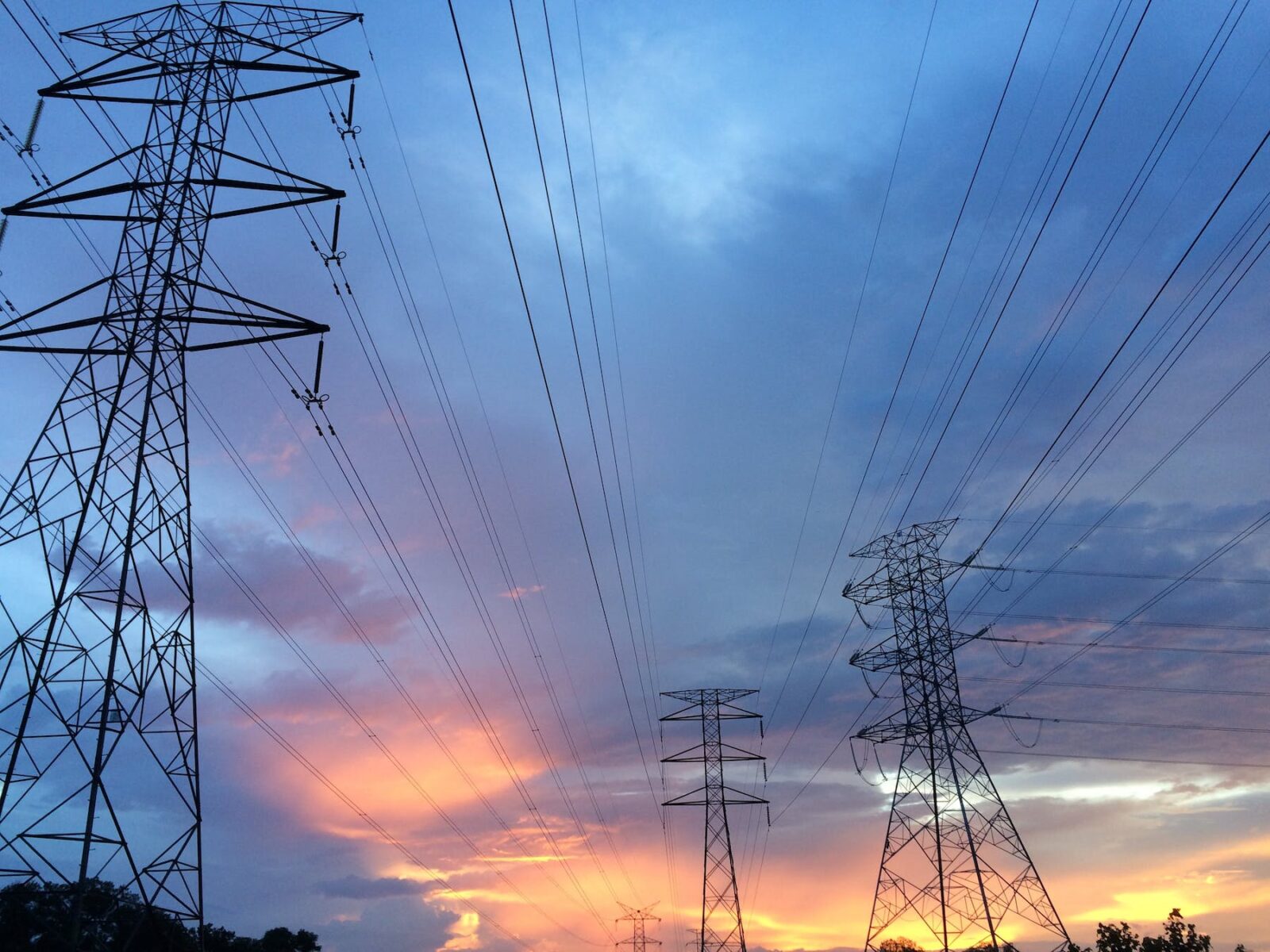
- Stay Clear of Power Lines: Opt to live and sleep at a significant distance from power lines, as these can generate potent magnetic fields and ground currents.
- Utilize a Gauss Meter: Employ a gauss meter, a tool designed to measure magnetic fields and locate areas with elevated field strengths.
- Mind the Gap: Maintain a distance of 6 to 8 feet from larger electronic devices, appliances, and electrical equipment when they are operational to decrease your exposure, as advised by Mr. Finn.
- Upgrade and Replace: Swap out two-prong corded electrical devices for those featuring three-prong cords whenever feasible. If necessary, consult an electrician who can add a grounding prong to the cord. Also, consider replacing malfunctioning appliances or ones with damaged wiring to prevent potential shock hazards.
- Bedroom Electrical Rest: In most instances, turning off electricity in your sleeping quarters can lower EMF levels, particularly beneficial for those sensitive to electromagnetic fields. Yet, in rare scenarios, this action might inadvertently amplify electric fields due to specific wiring configurations. Adjacent and opposing wires can lead to intensified electric fields when electricity is switched off in one wire.
- Utilize Voltmeters: Employ voltmeters to detect electric fields in your surroundings.
Electromagnetic Disturbances
Generated by: wireless gadgets, fluorescent and LED illumination, light dimmer switches, solar panels, pool pumps, and air conditioning units
Electromagnetic interference (EMI), also recognized as signal-to-noise interference, line noise, or dirty electricity, can be likened to an undesired byproduct. It manifests as the crackling sound on radios, the humming during telephone conversations, and the flickering on television screens.
Electricity travels from power stations through power lines into our residences. Inside our homes, these electrical currents course through the wall wiring, powering various appliances.
A complication arises because power lines transmit alternating current (AC) electricity, while most electronic devices operate on direct current (DC) electricity. As appliances convert AC to DC, they inadvertently generate signal noise.
This signal noise doesn’t remain confined but rather spreads throughout the home via wiring and can even be emitted into the surrounding air.
Devices employing diodes inherently produce EMI. Diodes are commonplace in electronics, used to convert AC to DC.
LED lights represent one of the prevalent sources of illumination that employ diodes to generate light, with “LED” signifying light-emitting diode.
Wi-Fi, smart meters, and devices emitting radio frequencies can generate EMI through the interplay of radiofrequency signals.
Fluorescent lights and the variable speed motors present in pool pumps and air conditioners undergo a conversion process from AC to DC and back to AC electricity. Similarly, electricity harnessed from solar panels undergoes a sequence of transformations, giving rise to EMI. Contrarily, light dimmer switches produce noise signals not through conversions, but by segmenting specific AC waves entering the lamp.
Sustained exposure to this noise could potentially yield detrimental health consequences. Ms. Havas’ research indicates that diabetics subjected to noise signals tend to exhibit higher blood sugar and insulin levels compared to when they are situated in environments devoid of such noise. Research conducted in Iran suggests that noise signals might amplify vulnerability to neurodegenerative ailments.
Certain origins of noise signals might hold more pronounced biological ramifications than others. For instance, an Australian study observed that after smart meters were mandated in Victoria from 2006 to 2013, more than 140 individuals complained of symptoms they attributed to these devices.
Moreover, LED lights have been linked to sleep disturbances by influencing circadian rhythms and suppressing melatonin production.
Strategies to Diminish Exposure to Electromagnetic Interference
- Ensure Adequate Grounding: Address improper grounding, as it can exacerbate instances of EMI.
- Curtail Specific Electronics: Minimize the use of or swap out electronic devices generating noise signals, like LED and fluorescent lights, for incandescent lights. Incandescent lights simulate natural light as their glow results from heating a filament via electricity.
- Power Down Devices: Switch off electronic devices and appliances when inactive or during sleep periods.
- Engage a Certified Expert: Collaborate with a certified electromagnetic radiation specialist (EMRS) from the Building Biology Institute to pinpoint principal sources of actionable EMF and EMI within your home or workplace environment.