
Diabetes is a long-term metabolic disorder that is marked by unusually elevated blood glucose levels.
High concentrations of glucose in the blood can seriously affect organs such as the eyes and kidneys. Therefore, it is crucial to seek medical attention if you suspect you might be diabetic.
As of 2019, it was calculated that over 37.3 million Americans, making up 11.3 percent of the population, were diagnosed with diabetes. Furthermore, it is estimated that an average of 1.4 million Americans are diagnosed with this condition each year.
Understanding blood sugar
Blood sugar or glucose circulates in the bloodstream.
When blood sugar levels increase, insulin, a hormone, transports the sugar molecules from the bloodstream to the body’s cells. The cells utilize this glucose for their energy requirements.
If the body lacks sufficient insulin or the cells develop resistance to it, sugar can accumulate in the bloodstream to dangerous levels.
A condition known as hyperglycemia is characterized by elevated blood sugar and is a distinguishing feature of diabetes.
Identifying different types of diabetes
Diabetes comes in several forms:
Type 1 Diabetes is an autoimmune condition that typically appears early in life. In this condition, the body’s immune system targets specific cells. In a person with type 1 diabetes, the immune system’s T cells destroy the insulin-producing cells of the pancreas, leaving the person unable to produce enough insulin for survival.
Type 1 diabetes is incurable, and patients need to take insulin to stay alive. About 5 percent of people with diabetes have type 1.
Type 2 Diabetes develops when the body becomes insulin resistant, leading to raised blood sugar levels. As blood sugar levels rise, the pancreas produces more insulin. Over time, the pancreas’ beta cells, which produce insulin, become dysfunctional and fail to produce enough insulin to effectively lower blood sugar. Type 2 diabetes is the most prevalent form of diabetes, usually seen in adults. However, the rise in obesity among children has also led to an increase in type 2 diabetes cases among this age group.
Gestational Diabetes is a variant of diabetes that occurs during pregnancy. Like other types of diabetes, blood sugar levels are raised, which can have implications on the pregnancy and the baby’s health. Following childbirth, blood sugar levels usually revert to normal, but those with gestational diabetes are at a higher risk of developing type 2 diabetes later.
Prediabetes is a condition where blood sugar levels are higher than normal but not high enough to be classified as diabetes. Prediabetes individuals have a 50 percent chance of developing diabetes within five to 10 years of being diagnosed. It is estimated that more than one in three Americans has prediabetes, most of whom are unaware of it.
Symptoms and early signs of diabetes
Symptoms of diabetes include:
- Increased thirst and urination
- Increased hunger
- Unexplained weight loss
- Fatigue
- Weakness and irritability
- Blurry vision
- Sores that heal slowly
- More frequent infections
- Numbness or tingling in the feet or hands
- Presence of ketones in the urine
Causes of diabetes
Type 1 and type 1.5 diabetes
In type 1 and 1.5 diabetes, the pancreas’ beta cells, which produce insulin, are targeted by T cells. It’s not completely understood why these T cells attack the body’s own cells, but a combination of genetic and environmental factors might be involved.
Type 2 diabetes
In Type 2 diabetes, the cells in the liver, fat, and muscles become resistant to insulin. Insulin acts like a key that allows glucose to enter the cell and be used for energy. In Type 2 diabetes, the cells do not respond adequately to the insulin present, so the concentration of sugar in the bloodstream remains high.
Who is at risk of developing diabetes?
Types 1 and 1.5 diabetes
It’s believed that there’s a genetic component that predisposes a person to type 1 diabetes, along with environmental factors that can trigger the condition. Having a sibling or parent with type 1 diabetes can increase the risk of a child developing the disease.
Type 2 diabetes
Several factors increase your risk of Type 2 diabetes, including being overweight, inactivity, family history, abdominal fat, high triglycerides and low levels of high-density lipoprotein (HDL) cholesterol, race and ethnicity, prediabetes, high blood pressure, age (particularly after the age of 45), previous gestational diabetes, and polycystic ovary syndrome (POS).
Gestational diabetes
You are more likely to develop gestational diabetes if you have a family history of Type 2 diabetes, a body mass index (BMI) over 30, are over age 35, have had gestational diabetes in a previous pregnancy, or have given birth to a baby weighing more than nine pounds.
What tests are used to detect diabetes?
Types 1 and 1.5 diabetes
Diagnosing types 1 and 1.5 diabetes is relatively straightforward. If you or your child display symptoms of diabetes, your healthcare provider will conduct the following tests:
- Blood glucose test: This test measures the sugar levels in your blood to determine if they are high, indicating diabetes. It can be done randomly or after fasting.
- Antibody test: This test checks for autoantibodies, which are proteins that mistakenly target the body’s own tissues. The presence of specific autoantibodies indicates autoimmune diabetes (type 1 for children and type 1.5 for adults).
- Glycosylated hemoglobin test (A1C): This blood test determines the average glucose level in your bloodstream over the past three months, helping to diagnose diabetes.
To assess overall health and detect ketoacidosis, your healthcare provider may also order the following tests:
- Urinalysis: This simple urine test checks for ketones, acidic byproducts produced when the body doesn’t effectively use blood sugar for energy.
- Basic metabolic panel: This blood test assesses various substances in the bloodstream, providing insights into overall health.
Type 2 diabetes
For diagnosing Type 2 diabetes, several tests are used:
- Fasting plasma glucose test: This blood test requires fasting for eight hours prior and measures blood sugar levels. A result of 100-125 mg/dL indicates prediabetes, while 126 mg/dL or higher suggests diabetes.
- Random plasma glucose test: This blood test can be done at any time, regardless of fasting. Results between 140-199 mg/dL indicate prediabetes, while 200 mg/dL or higher suggests diabetes.
- Oral glucose tolerance test: This test assesses blood sugar levels before and after consuming a high-sugar drink. A result of 200 mg/dL or higher indicates diabetes.
- Glycosylated hemoglobin testing (A1C): This blood test determines the average glucose level in the bloodstream over the past three months. A result of 6.5% or higher indicates diabetes.
What are the complications of diabetes?
Elevated sugar levels in the blood can damage capillaries, affecting oxygen supply to tissues and leading to various complications, including:
- Diabetic neuropathy: Nerve damage causing numbness, tingling, pain, and digestive issues. Men may experience erectile dysfunction.
- Diabetic retinopathy: Damage to the retina, potentially leading to vision loss.
- Diabetic nephropathy: Damage to kidney capillaries, potentially leading to kidney failure.
- Cardiovascular disease, hearing impairments, infections, and depression are also potential complications of uncontrolled blood sugar levels.
What is diabetic ketoacidosis?
Diabetic ketoacidosis (DKA) is a life-threatening complication associated with diabetes. It occurs when there isn’t enough insulin to facilitate the transfer of blood sugar into cells. In response, the liver breaks down fat, producing toxic acids called ketones. Symptoms of DKA include high blood sugar, fruity breath odor, vomiting, rapid breathing, and stomach pain.
What are the treatments for diabetes?
Managing diabetes effectively involves a multifaceted approach with three main aspects:
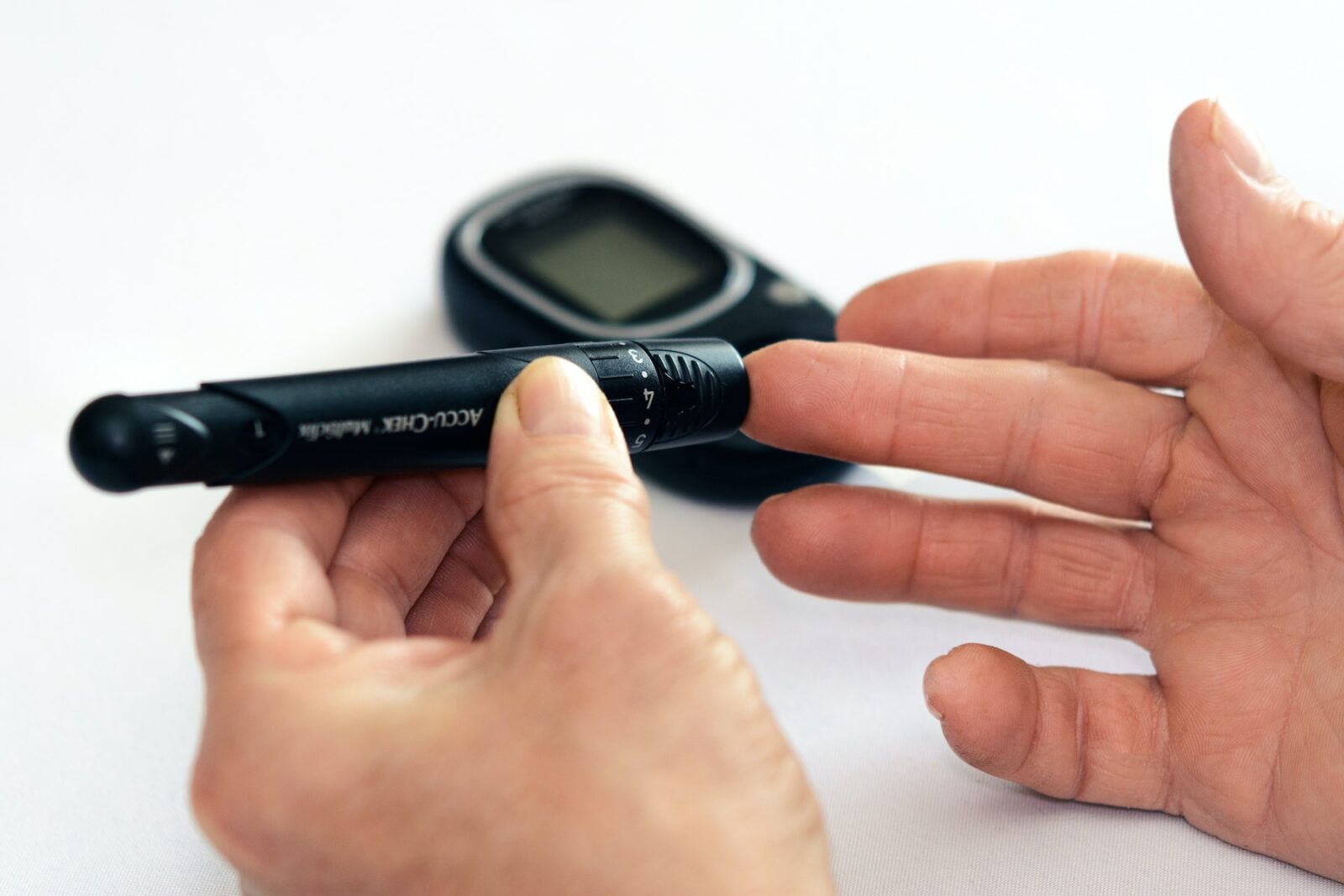
- Blood Sugar Monitoring: Regularly monitoring blood sugar levels using a continuous glucose monitor (CGM) or glucose meter and finger stick.
- Insulin: Individuals with type 1 and 1.5 diabetes require insulin. Some with type 2 diabetes may also need it. Insulin can be administered through injections, insulin pumps, pens, or inhaled insulin.
- Oral Diabetes Medications: These medications are taken by mouth and help manage type 2 diabetes. Different classes of oral diabetes medicines employ various mechanisms to regulate blood sugar levels.
Exercise and Diet: Regular exercise increases insulin sensitivity, while a healthy diet, including unprocessed foods, helps control blood sugar levels. Monitoring carbohydrate intake is essential.
How does your mental state affect diabetes?
Certain mentalities, such as depression, emotional stress, anxiety, and anger, may increase the risk of developing type 2 diabetes. Stress triggers the release of cortisol, which antagonizes insulin secretion and signaling. Cortisol reduces glucose transporter levels, hindering glucose uptake into cells and resulting in increased blood sugar levels. Prolonged stress and cortisol release can lead to insulin resistance and diabetes.
What are the natural remedies for diabetes?
While type 2 diabetes is typically considered chronic, some people can achieve remission through lifestyle changes. A healthy diet and an active lifestyle are key.
Certain botanicals, including aloe, bitter melon, cinnamon, fenugreek, garlic, ginkgo, ginseng, gymnema, hoodia, and prickly pear cactus, have shown promise in helping maintain healthy glucose levels.
How can I prevent diabetes?
Type 1 Diabetes: There is no known prevention for type 1 and 1.5 diabetes as they are autoimmune conditions.
Type 2 Diabetes: You can significantly reduce the risk of type 2 diabetes by following these steps:
- Engage in regular physical activity.
- Maintain a healthy weight.
- Consume whole, unprocessed foods rich in fiber.
- Manage stress levels.
- Limit alcohol consumption, as heavy drinking increases the risk of type 2 diabetes.