
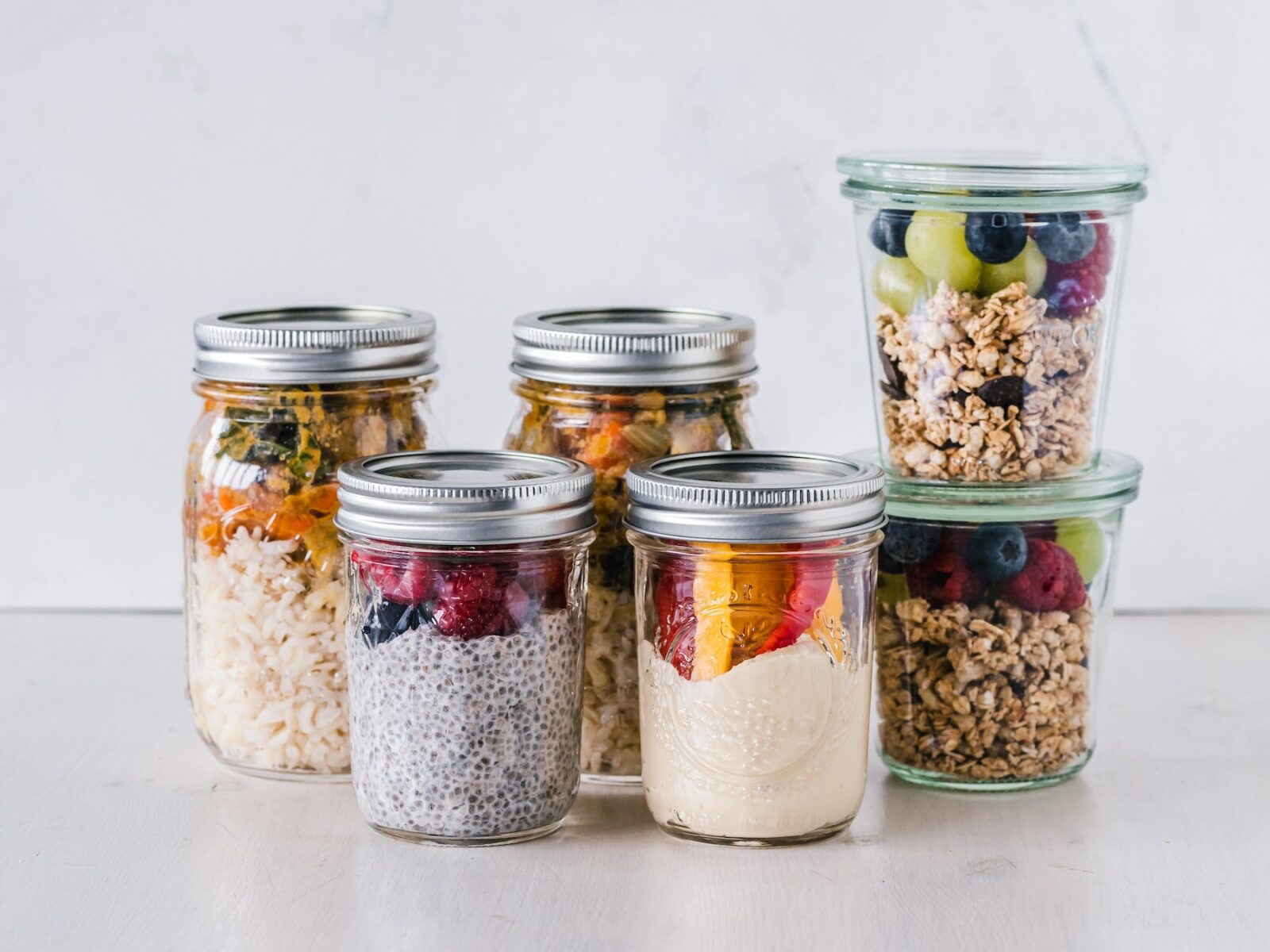
Consider reevaluating your commitment to eating healthily if you’ve been neglecting your resolution. If you’re about to venture out from home or school and take care of your own meals, now is an ideal moment to educate yourself about nutritious and affordable options to include in your grocery shopping list.
Here are the fundamentals: a weekly trip to the store
A nourishing diet consists of an abundance of vegetables, fruits, legumes, whole grains, nuts, seeds, lean proteins, and low-fat dairy products. It can be overwhelming to try and fill your shopping cart with all these essential items. However, you can simplify the process by thinking in pairs.
Select two fruits and two vegetables of different colors, and two types of lean protein, such as fresh, frozen, or canned fish, chicken or lean ground turkey, or plant-based options.
Include two items from each of the following categories during your weekly grocery shopping:
- Plant proteins: Examples include canned or dried beans, tofu, tempeh, veggie burgers, unsalted nuts, or seeds.
- Whole grains: Consider options like whole-grain bread, whole-grain pasta, brown or black rice, quinoa, or farro.
- Dairy or nondairy milk products: Choose nonfat Greek yogurt or cheese, whether it’s dairy-based or nondairy.
Feel free to add one or two healthy treats or snacks to your cart, such as hummus or dried apricots.
Is choosing organic food necessary?
Organic produce is cultivated without synthetic fertilizers and pesticides, which have been associated with numerous health issues. While scientists in the United States debate the safety of foods grown with organic fertilizers, such as animal waste, other countries, including nations in the European Union, have prohibited or phased out synthetic pesticides that are still used in the US.
This doesn’t mean that all your purchases must be organic. However, try to avoid conventionally grown produce with thin skins, like strawberries, spinach, kale, peaches, and grapes, as they tend to absorb more chemicals compared to produce with thick skins, such as avocados or pineapples.
The Environmental Working Group creates an annual list that helps shoppers steer clear of produce with high pesticide levels, as well as a list of the least contaminated produce.
Acquiring fresh food and pantry essentials while being budget-conscious
Healthy food, especially organic produce, often carries a reputation for being expensive. Nevertheless, it doesn’t have to be that way. By doing some price comparisons and following these cost-saving tips during your grocery run, you can save money:
- Shop at smaller stores with a more limited selection.
- Avoid entering the store on an empty stomach, as you might end up buying more than necessary.
- Bring a shopping list and stick to it.
- Head directly to the aisles that contain the items you need, avoiding unnecessary browsing that may result in impulse purchases.
- Remain flexible, consider multiple options within your desired food categories, and take advantage of sale items.
- Always check the section with day-old produce, where you can find perfectly edible fresh items at discounted prices of 50% to 75% off.
- Purchase unseasoned canned or frozen whole foods, such as vegetables, chicken, or fish (salmon, sardines, tuna), as they are often cheaper than their fresh counterparts.
- Wait for sales on healthy nonperishable staples like quinoa, brown rice, whole-grain pasta, and high-fiber cereals.
- Utilize coupons and coupon apps.
Convenient and healthy snack options
It’s time to move away from easy grab-n-go snacks, which usually consist of processed foods containing unhealthy ingredients that promote overeating. Instead, keep these healthy snacks readily available:
- Unsalted mixed nuts
- String cheese
- Grapes and berries (rinse before consuming)
- Clementines, bananas, or other fruits that require no washing
- A rice cake with nut butter or hummus
- Fat-free Greek yogurt
- A peeled hard-boiled egg
To save money, consider buying certain foods in larger quantities whenever possible. For instance, you can purchase an 8-ounce bar of cheese and slice it into small cubes to store in a sealed container in the refrigerator.
Gather shopping tips and savings through collaboration
Don’t hesitate to seek shopping advice from friends, family members, or grocery store staff who have developed their own time-saving techniques. Additionally, you can rely on apps for assistance. We recommend two favorites:
- Mealime: This meal-planning app offers simple and healthy plant-based recipes that automatically generate grocery lists for the required ingredients.
- List Ease: This app helps create grocery lists, allowing you to search for items or scan barcodes to add them.
If you prefer not to use apps, you can jot down notes after quickly checking your pantry or fridge inventory, or send yourself a text message each time you remember something you need. With a little practice, you’ll find the best system that works for you.”