
You want to lead a healthier lifestyle. Most Americans do. Yet, very few put that desire into practice.
It may seem daunting to completely rework your exercise and diet habits. However, it is possible to take small steps over a period of time to make the change easier and more manageable. This will empower you to continue toward better health and greater overall well-being.
To get you started, let’s look at items to eliminate from your diet and home. They contribute to toxic overload, which can lead to disease and malaise. Once you eliminate them, you will have more opportunities to add healthier options.
Eliminate these items for better health and greater well-being
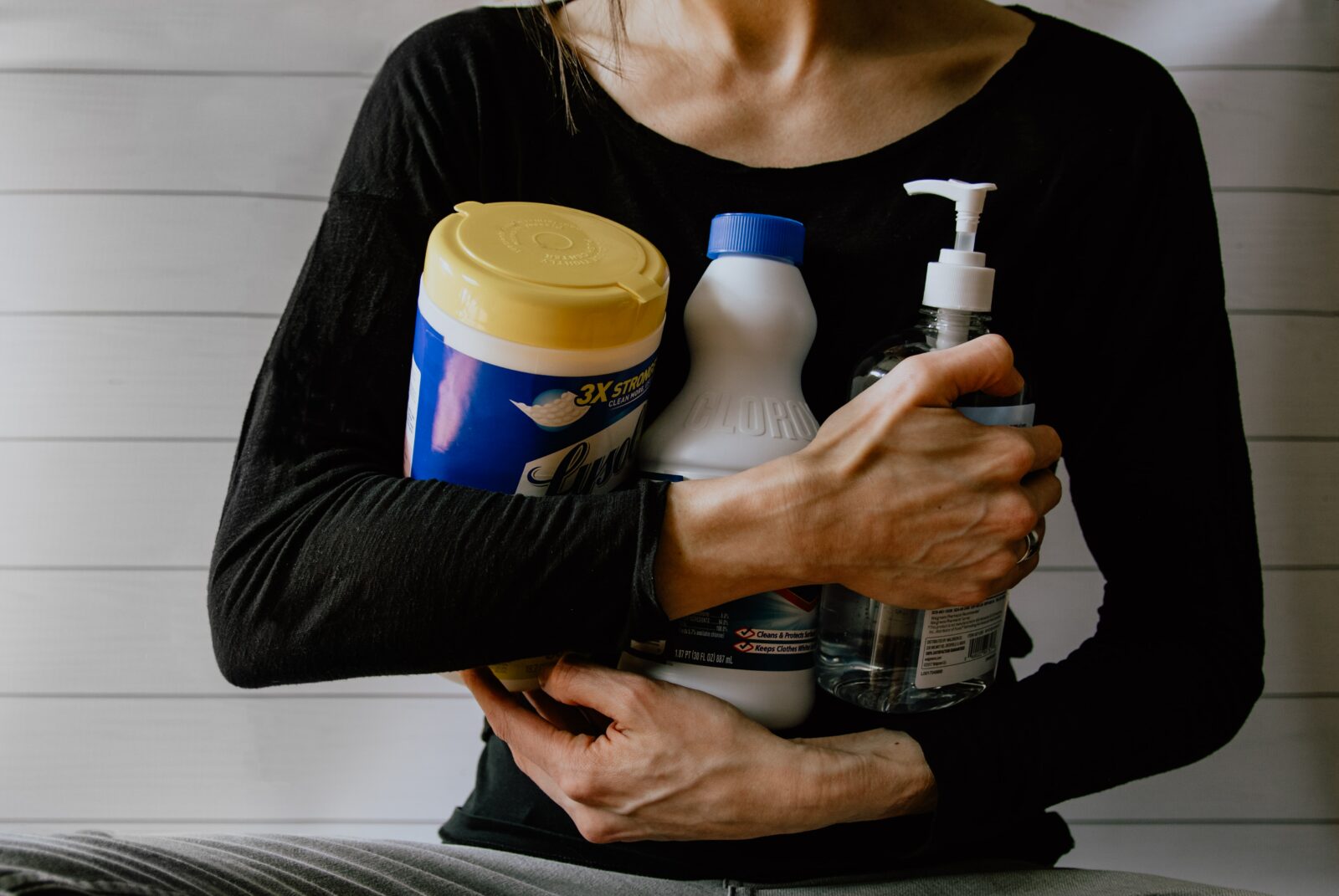
Commercial cleaning products
Common household cleaning products frequently release volatile organic compounds that may trigger asthma and respiratory illnesses. One study found that women who used chemical cleaning products had
Phthalates are also common in cleaning products, especially those that contain fragrances. Studies show links between exposure to phthalates in utero and the following health conditions:
- Adverse cognitive development, Lower IQ
- Attention-deficit hyperactivity disorder (ADHD), Other behavioral problems
- Poorer psychomotor development, Impaired social communication
Replacing these common household chemicals is quite easy. You can make your own natural cleaning products with the following basic ingredients:
- Baking soda, white vinegar, lemon juice
- Hydrogen peroxide, liquid castile soap, organic essential oils
- Spray bottles, mixing bowls, buckets, and cotton dishcloths
- Mixing bowls, spray bottles, cotton dishcloths
Linoleic acid
Linoleic acid is the main fat in polyunsaturated fatty acids (PUFAs) including vegetable and seed oils. It makes up approximately 80% of the fat composition in vegetable oils. Omega-6 fats need to be kept to a healthy ratio in relation to omega-3 fats. However, our American diet is oversaturated with unhealthy omega-6 fats. Most of our consumption of omega-6 fats comes from processed vegetable and seed oils.
When linoleic acid oxidizes, it creates lipid hydroperoxides that quickly convert into oxidized linoleic acid metabolites, which are:
- Carcinogenic
- Atherogenic
- Cytotoxic and genotoxic
- Mutagenic
- Thrombogenic
Metabolic dysfunction may also happen because these substances are toxic to the liver and linked to fibrosis, inflammation, and fatty liver disease in humans. Linoleic acid is in nearly every processed food including salad dressings, sauces, and restaurant foods. It’s best to skip eating out at restaurants.
In addition, seek out pasture-fed meats because many animals are fed grains that are high in linoleic acids. You may need to spring for a slightly more expensive olive oil because the less expensive versions are frequently cut with cheaper seed oils.
Eating after dinner
When you eat is an important element of a healthier lifestyle. Intermittent or time-restricted-eating (TRE) is an effective method that simulates how our ancestors ate. It will also help restore your body to a more natural state, enabling many metabolic benefits.
Intermittent fasting limits one’s consumption window to six to eight hours per day rather than the typical window of over 12 hours. Research shows that intermittent fasting promotes insulin sensitivity and improves blood sugar management by increasing insulin-mediated glucose uptake rates, which is critical for resolving Type 2 diabetes.
In another study, when 15 men at risk of Type 2 diabetes restricted their eating to even a nine-hour window, they lowered their mean fasting glucose, regardless of when the consumption window began. Ideally, you’ll want to stop eating for several hours before bedtime, then start your eating window in mid-to-late morning after you wake up.
Artificial sweeteners
Consuming foods and beverages with artificial sweeteners leads to alterations in your metabolism. The habit has also been linked to an increased risk of diabetes and other metabolic disorders as well as increased appetite and cravings.
The artificial sweeteners acesulfame potassium and sucralose may interfere with your liver’s detoxification process. The research found they inhibited the activity of P-glycoprotein (PGP), a “defense protein” that protects organisms against environmental toxins.
PGP plays a key role in many body functions including maintaining the blood-brain barrier. More research is necessary to study its role in other organs. A large-scale cohort study found that people who consumed higher levels of artificial sweeteners had a higher risk of overall cancer compared to non-consumers.
Total cancer risks increased 13% for those consuming artificial sweeteners. The risk of breast cancer rose by 22%, and the risk of obesity-related cancers increased by 15%. You will find artificial sweeteners in diet beverages, low-sugar snacks, dairy products, salad dressings, ketchup, baked goods, and medications.
Plastic food containers and bottles
Plastic food containers and bottles should be replaced with safe options like ceramic, glass, and stainless steel containers.
For starters, microplastics are common in bottled water. When researchers tested 259 bottles of water, they found microplastic contamination in 93% of them.
We don’t know all the health risks posed by consuming microplastics. However, we know that microplastics may absorb contaminants like persistent organic pollutants, heavy metals, PCBs, and pathogens, which may cause damage down to the cellular and subcellular levels.
Plastics can leach chemicals into food and beverages. Phthalates are high-production-volume chemicals used frequently as plasticizers in polyvinyl chloride (PVC) and other plastics used in food packaging. The risk may increase if you heat food in plastic or let your water bottle sit in the sun.
For instance, antimony, a toxic chemical used to manufacture polyethylene terephthalate (PET) plastics used for water bottles, is known to leach into water. One study found that storing the bottles at higher temperatures increased the amount of leaching.
Nonstick cookware
We love the convenience, but nonstick cookware comes with risks. Chemicals used to produce nonstick cookware persist in the environment, can contaminate water supplies, and have been linked to cancer, liver damage, developmental problems, immune issues, thyroid problems, and more.
Polyfluoroalkyl or perfluoroalkyl chemicals (PFASs), which include PFOA and PFOS, are estimated to be in the blood of more than 98% of Americans. While production of PFOA ended in 2015, manufacturers have substituted similar chemicals in producing nonstick cookware.
PFAs can cause the following health problems:
- Tumors in multiple organ systems, Testicular, and kidney cancers
- Liver malfunction, Hypothyroidism
- Liver toxicity, Disruption of lipid metabolism, and the immune and endocrine systems
- Adverse neurobehavioral effects, Neonatal toxicity and death
- High cholesterol, Ulcerative colitis
- Reduced birth weight and size, Obesity
- Decreased immune response to vaccines, Reduced hormone levels, and delayed puberty
Look for ceramic or enameled cast iron cookware, which is easy to clean, durable, and inert—meaning it won’t shed damaging chemicals in your home.
Electromagnetic fields and cell phones
Did you know that most cell phones have a warning to keep the phone away from your body and limit exposure to radio frequencies? If you carry your phone in your pocket or hold it against your ear when talking, you are exposing yourself to harm.
If you are pregnant, be diligent about keeping your cell phone away from your body. Animal studies have shown that exposure to radiation from cellphones may result in:
- Compromised spinal cords
- Affected learning abilities
- Altered DNA
- Altered brain metabolism
Research conducted by the National Toxicology Program (NTP) also found that exposure to cellphone radiation led to heart tumors in male rats, along with evidence that it caused brain and adrenal gland tumors in them.
In our modern world, going without a cell phone is pretty difficult. You can proactively mitigate the risks by keeping it away from your body and leaving it in airplane mode whenever possible.
Toxic personal care products
Personal care products frequently contain endocrine-disrupting chemicals, including phthalates, parabens, and toluene, a neurotoxicant. Most chemicals in personal care products are tested as a single chemical in laboratory conditions. Our real-world exposure may increase their toxicity exponentially. It is possible that using common personal care products and cosmetics may affect the age at menopause and may cause a developing baby in utero to be small for its gestational age.
The Polycyclic aromatic hydrocarbons, Siloxanes, Talc/asbestos most commonly used chemicals to avoid are:
- Butylated hydroxyanisole/butylated hydroxytoluene
- Coal tar dyes,
- Diethanolamine,
- Formaldehyde releasing preservatives
- Parabens, Phthalates, 1,4 dioxane
- Triclosan
To avoid exposure, simplify your routine and make your own personal care products using safe ingredients like coconut oil, mild soap, and essential oils.
Sedentary behaviors
In short, stand up from your chair and get moving. Sitting and being sedentary for long periods of time can accelerate aging at the cellular level. Among 1,500 older women in one study, those who sat the longest were, on average, eight years older, biologically speaking, than women who moved around more often.
Stand up and move more. A simple way to do this is to replace your desk chair with a standup desk and walk as much as possible daily.
Final thoughts
You don’t need to eliminate everything on this list all at once. But work on accomplishing this to remove toxic exposures in your life. You will enjoy better health and greater overall well-being.