
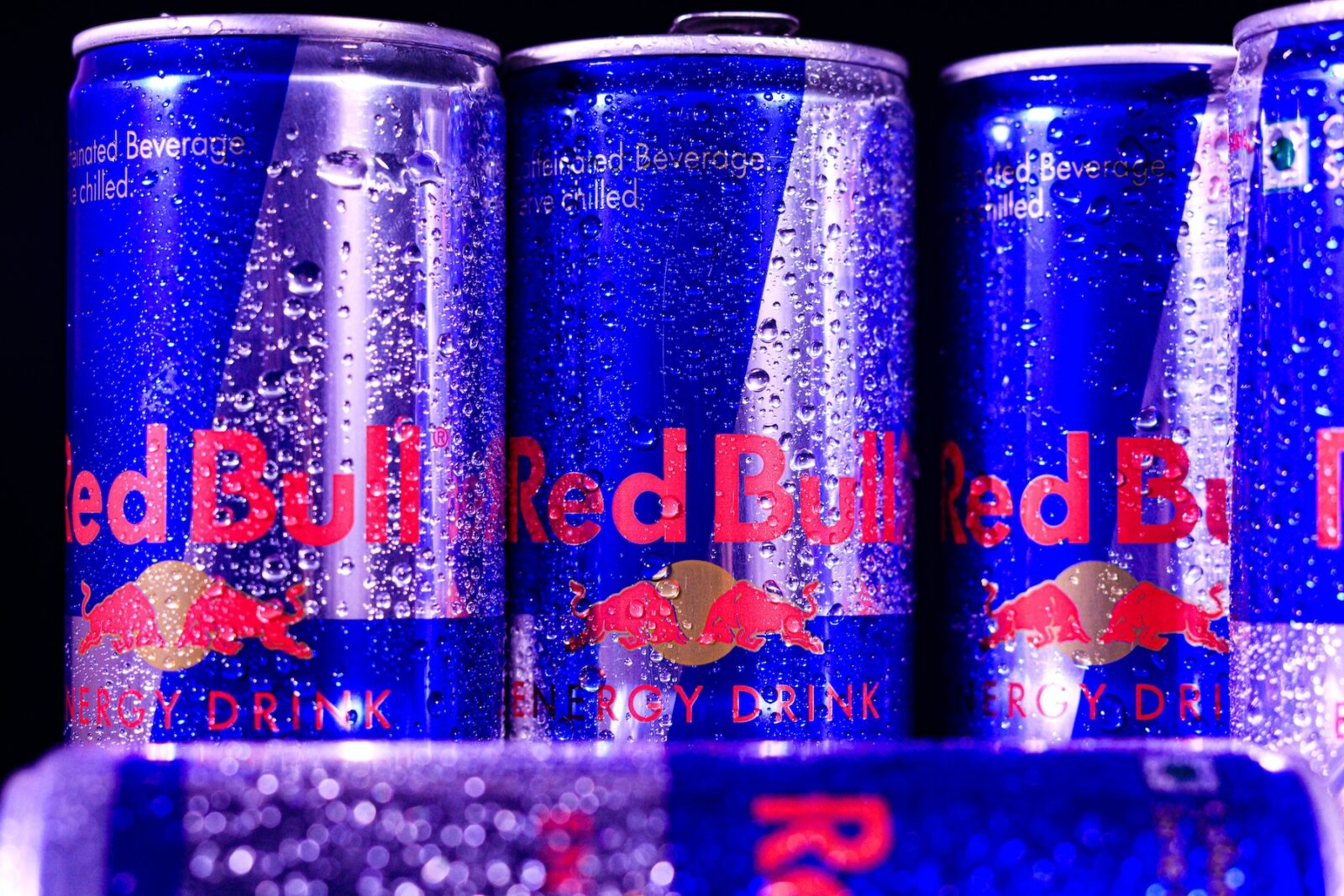
The Rise of Energy Drinks
Stroll through any store, and you’re bombarded by vivid imagery and loud fonts heralding “Energy!” from beverage coolers. Energy drink manufacturers tout their products as potent mixtures of caffeine, amino acids, and herbal extracts, claiming to enhance focus and motivation with every gulp. However, a hidden risk lies beneath the enticing packaging, raising the question: Is the price for this energy boost more than just financial?
The Historical Journey of Energy Beverages
Tracing the roots of energy drinks takes us back several decades. The UK saw the introduction of Lucozade Energy, initially named Glucozade in 1927, as a glucose-based drink in 1929. It was intended as a nutritional aid for patients recuperating from illnesses like the flu. The United States witnessed the debut of the first carbonated energy beverage, Dr. Enuf, in 1949 in Chicago, featuring caffeine, B vitamins, and sugar. The global phenomenon of energy drinks, however, truly escalated with Red Bull’s aggressive marketing in Austria and internationally during the late 1980s and 1990s, setting a formula replicated by numerous brands.
Presently, the worldwide market for energy and sports drinks is valued at over $159 billion, with the U.S. market alone contributing nearly $14 billion. Not only adults but also teenagers are drawn to these drinks for enhancing academic and sports performance, prompting some schools to ban them due to high sugar and caffeine content, which may lead to energy crashes and hinder long-term concentration and study.
The Hidden Hazards of Energy Drink Consumption
Although energy drinks might offer temporary benefits like improved alertness and concentration, they also come with potential adverse health impacts. Omar Eliwa, a registered pharmacist, warns against the excessive and poor-quality caffeine in these drinks. Such high levels can have long-term negative effects on memory, cell aging, nutrient depletion, and metabolism.
The Impact of Energy Drinks on Brain Health
Recent research is shedding light on how energy drink ingredients collectively affect brain health, and the findings are concerning.
Neurodegeneration and Brain Aging
A 2020 study in the Anatomy and Cell Biology journal revealed that caffeinated energy drinks could induce neurodegenerative changes in the hippocampus, a crucial area for long-term memory, in male albino rats. High sugar intake is also associated with a higher risk of insulin resistance, which impairs cells’ ability to absorb glucose, including brain cells. This can lead to neurodegeneration and accelerated brain aging. Furthermore, insulin resistance is a factor in the progression of Alzheimer’s disease, exacerbated by oxidative stress. We also note the potential risks of aluminum packaging in energy drinks, which is linked to Alzheimer’s.
ADHD and Food Dyes
Energy and sports drinks often contain food dyes, like red dye 40, which can interfere with the absorption of essential minerals and potentially exacerbate ADHD symptoms in children. Studies, including a 2007 randomized controlled trial in the UK and a 2012 meta-analysis, have shown that artificial colors can increase hyperactivity levels in children with ADHD and suggest the benefits of eliminating artificial colors from their diets.
The Adverse Effects of Energy Drinks on Well-being
- Fatigue, Insomnia, and Headaches: The Impact of Sugar and Caffeine
High school student Aidan Prud’Homme, who consumed one to two energy drinks daily, experienced fatigue, headaches, and sleep disturbances. The diuretic properties of caffeine in these drinks increase urine output, leading to dehydration, which negatively impacts brain function and can cause fatigue and poor concentration. Additionally, the caffeine in energy drinks disrupts sleep cycles by affecting neurotransmitters, leading to long-term insomnia. Stopping energy drink intake can also trigger headaches due to caffeine withdrawal, causing dilated blood vessels and increased blood pressure. - Anxiety: A Side Effect of Stimulants
The surge in catecholamines, stress-response neurotransmitters, from energy drinks can increase heart rate and blood flow. This can trigger a fight-or-flight response, leading to anxiety in some individuals. - Seizures: A Growing Concern
Energy drinks have been linked to an increased risk of seizures. The caffeine in these drinks affects neurotransmitters, lowering the seizure threshold. Seizures have been noted to cease upon discontinuing energy drink consumption.
The Wider Health Impacts of Energy Drinks
Global concerns over the health effects of energy drinks have led to actions like Poland’s ban on selling them to minors. These drinks contribute to conditions like diabetes, stress, and heart problems.
- Diabetes: A Risk from High Sugar Content
The high sugar in energy drinks can cause insulin resistance, leading to elevated blood glucose levels, prediabetes, and Type 2 diabetes. The caffeine’s addictive nature is particularly concerning for children. - Stress: The Effect of Stimulants on Adrenal Health
Caffeine and other stimulants in energy drinks prompt the adrenal glands to release excess cortisol, the stress hormone. This can lead to adrenal exhaustion, fatigue, and impaired stress response. - Heart Problems: A Serious Risk
We note the association between the high caffeine content in energy drinks and heart issues, including arrhythmias and sudden cardiac death. Experimental studies and case reports have linked energy drink consumption to heart problems.
Embracing Healthier Alternatives
After experiencing negative side effects, Aidan turned to healthier drink options. Alternatives like sparkling water with fruit juice or herbal teas offer beneficial antioxidants and phytochemicals without the risks. Physical activities, such as walking, are recommended to reduce stress, boost energy, and support brain health, especially vital for today’s more sedentary youth. Parental awareness of children’s drink choices is essential for their health and well-being.