
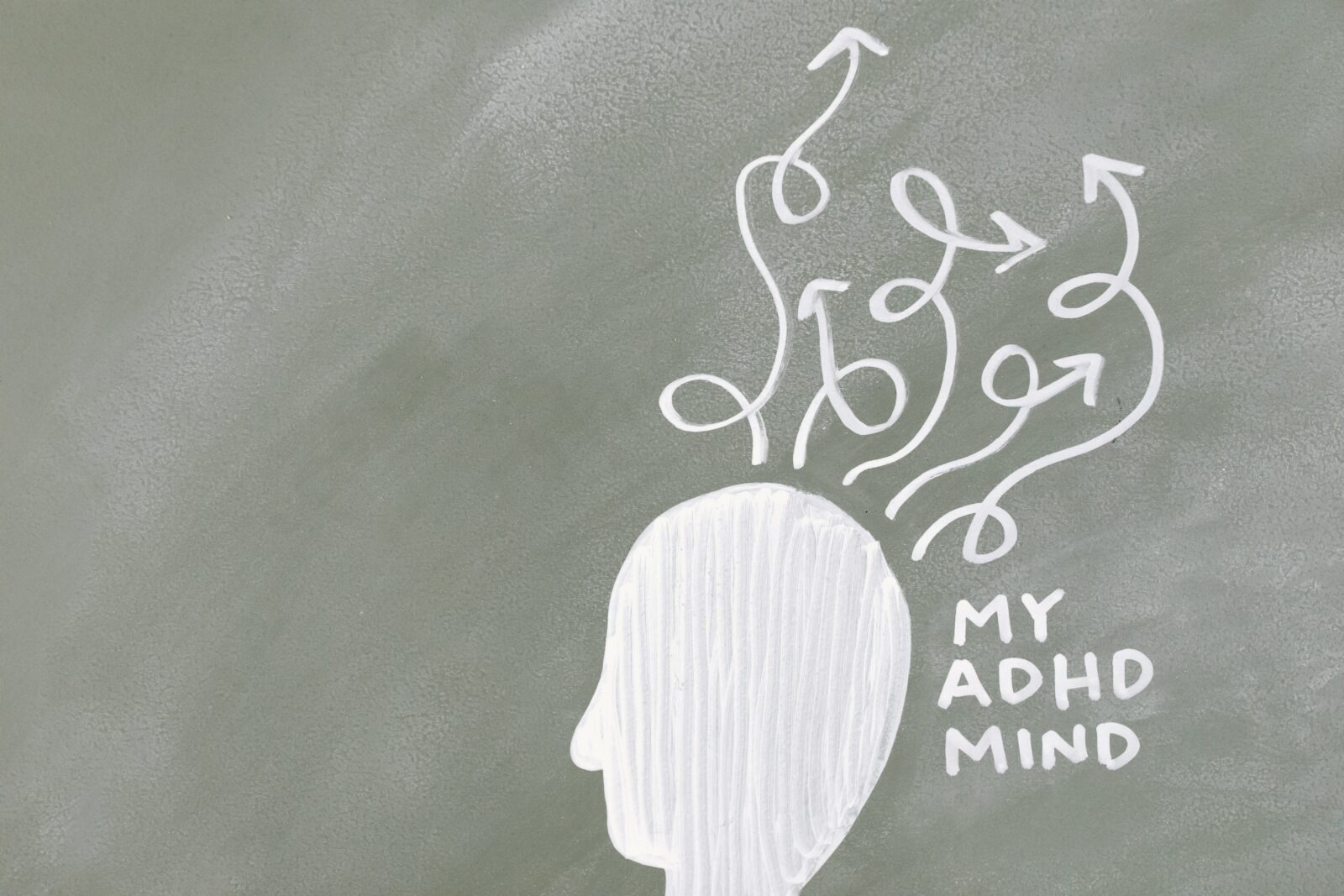
Attention deficit hyperactivity disorder (ADHD) is a mental health condition that has a range of symptoms such as impulsive behaviors and difficulty focusing one’s concentration. Regular exercise can be beneficial for improving both cognitive function and behavior, along with other treatments such as medication and behavioral management strategies.
Both cardiovascular and non-cardiovascular exercise show the potential as adjunct treatments for ADHD symptoms. However, exercise alone may not always result in improvement in all aspects of ADHD symptoms.
Will exercise help with ADHD?
Regular exercise is important for everyone. It helps keep your body healthy, improve your overall quality of life, and boost your mood. Now, a growing body of scientific research suggests that exercise may be particularly beneficial for people with ADHD. These benefits include:
- reduced impulsivity
- reduced hyperactivity
- improved attention control
- enhanced executive functioning
A 2017 meta-analysis of research on the issue linked cardiovascular and non-cardiovascular exercise to beneficial effects for ADHD. Cardiovascular exercises raise the heart rate, increase the breath rate, and induce the body to sweat. Typically, non-cardiovascular exercise does not have these physical effects. The researchers concluded that moderate cardiovascular exercise may reduce ADHD symptoms in adults and children. The study noted that more evidence is needed to show that non-cardiovascular exercise provides the same benefits.
How does exercise help with ADHD?
Many factors contribute to ADHD. However, research also shows that people with ADHD may have distinct structural differences in certain areas of the brain such as the frontal lobe. These differences may cause the brain to respond differently to neurotransmitters like norepinephrine and dopamine. Both chemicals play key roles in attention and cognitive function.
Some prescription medications can increase the supply of these neurotransmitters in the brain. Exercise can do something similar by increasing neurotransmitter levels in the brain, which helps improve ADHD symptoms.
A 2020 study suggested that in animal models of ADHD exercise of short and long duration resulted in changes to neurotransmitters. In humans, the results tend to vary depending on the type and duration of the exercise.
A 2017 meta-analysis study reported that exercise impacts several factors in the brain that result in beneficial effects such as lowering levels of stress hormones and increasing:
- vagal nerve stimulation
- neurotransmitters, such as serotonin and dopamine
- brain-derived neurotrophic factor
- neuroplasticity
- blood flow to the brain
The research reported that many of these effects may be cumulative. This means that the brain will adapt to the beneficial effects to produce even better results as someone continues to exercise regularly.
How often and how much to exercise to benefit ADHD symptoms
An individual with ADHD should follow the recommended exercise schedule for their age group. For instance, the Centers for Disease Control recommends 150 minutes of moderate-intensity physical activity per week for adults. That would be about 30-40 minutes per day on 4-5 days per week.
But physical activity is also based on individual needs. Some people may benefit from more, while others may need to work up to 150 minutes per week. Many physical trainers recommend a balanced program that integrates both cardiovascular and strength training.
Which exercises are good for ADHD?
If you are a person with ADHD, you want to engage in a cardiovascular activity that you find interesting. You want to stay engaged and avoid becoming bored. This increases the benefits you will derive from the exercise. That may be a team sport or an individual sports activity.
Many complex team sports engage the brain and body in a similar way. You could try:
- football
- rugby
- lacrosse
- hockey
- rowing
- volleyball
- water polo
For others, individual workouts or routines that are stimulating may help minimize symptoms.
For instance, martial arts can provide a cardiovascular experience with the stimulation of trying to anticipate your opponent’s next moves and strategies. Dance-based exercises help you keep rhythm and engagement while working out.
Many individual workouts can fit this description, including:
- Gymnastics
- Rock climbing or bouldering
- Mountain biking
- Hiking
- High-intensity interval training (HIIT)
- Boardsports like snowboarding and skateboarding
The most important feature is that you enjoy what you are doing. The goal is regular, consistent exercise for optimum benefits. If you lose interest, you may abandon your efforts.
Other benefits of exercise
Along with a nutritious diet, exercise is essential for good health. According to the CDC, regular physical activity benefits the body and brain in various ways, including:
- strengthening the bones and muscles
- improving physical functioning
- improving cognitive abilities
- boosting mood
- helping a person reach or maintain a moderate weight
- reducing the risk of cardiovascular disease
- lowering the risk of type 2 diabetes and metabolic syndrome
- reducing the risk of some cancers
- increasing life expectancy
Other ADHD treatments
Doctors often recommend exercise as an adjunct treatment for ADHD along with therapy or medications. They might prescribe stimulant or non-stimulant medications that help with ADHD symptoms. Some people with ADHD benefit from cognitive behavioral therapy and stress management.
Exercise alone typically is not a sole treatment for ADHD. It complements other therapies and enables the individual to better manage symptoms.
Final thoughts
Research shows that regular, consistent exercise helps some people manage their ADHD symptoms. The benefits of exercise is most likely due to its ability to elevate levels of neurotransmitters in the same way that ADHD medication does.
Regular cardiovascular exercise may be most suitable for relieving ADHD symptoms, but any form of exercise is better than none at all. And, doctors who treat ADHD will likely suggest exercise as a complement to other treatments.