
Our brain ages just like the rest of our body. It is vulnerable to disease as well, which can alter who we are and how we respond to our environment. Alzheimer’s disease can claim personality, memories, and relationships, which can make you feel as if you no longer know the person you love.
Fortunately, even though the disease is growing in prevalence, scientists are learning more about risk factors and things we can proactively do to stave off dementia.
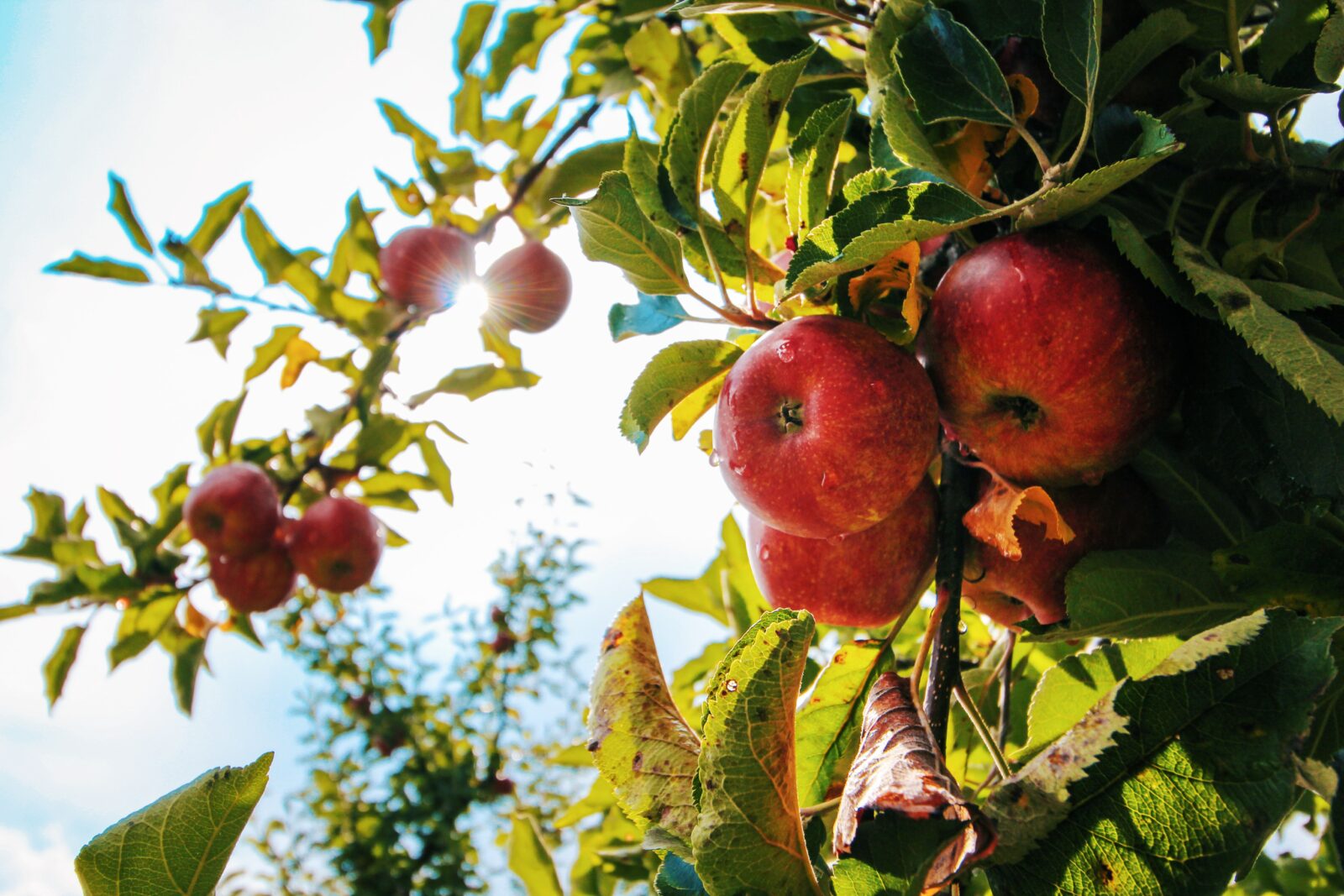
For instance, researchers have discovered that a phytochemical in apple peel can stimulate the growth of new neurons (neurogenesis). This phytochemical is called quercetin. It must be noted that too much quercetin did not produce these results. It helps stimulate neuron production at low concentrations. The creation of new neurons happened in the hippocampus region of the brain.
The hippocampus is part of the limbic system, and it is responsible for behavioral and emotional responses. Other parts of the limbic system include the hypothalamus, thalamus, amygdala, and basal ganglia. It also plays a critical role in coding, memory consolidation, learning, and the forming of a cognitive map, which is linked to your ability to acquire new knowledge, store that knowledge, and be able to retrieve it later.
Your behavior is impacted by the continual accumulation of knowledge. Damage to the thalamus can result in dysfunctional behaviors because of its effects on cognition and emotion. The hippocampus is also the area that has the initial damage when the plaques and tangled fibers of Alzheimer’s start to destroy brain function.
According to the Alzheimer’s Association, the number of people living in the U.S. who have Alzheimer’s disease is increasing. There were an estimated 5.8 million people diagnosed with Alzheimer’s in 2020. Nearly two-thirds are women. Experts estimate that as the population of people over 65 continues to grow, the number of people with Alzheimer’s will also rapidly increase.
By 2050, it is projected that 13.8 million Americans will have Alzheimer’s disease.
Quercetin stimulates neuron creation
A new study published in Stem Cell Reports, looked at how quercetin stimulated neuron creation. Quercetin is a flavonoid, and flavonoids are powerful antioxidants, which can help your immune system function better by neutralizing free radicals.
The researchers found that these plant compounds were essential for maintaining cognitive function through the growth of new neurons. It showed that the brain has the ability to grow and regenerate, which is crucial to our cognitive agility.
The researchers chose to study apples due to their wide consumption around the world, which resulted in generalized exposure. After their data analysis, the researchers found that apples contained compounds in the peel and the flesh that helped promote neurogenesis. Quercetin from the peel and another active compound from the apple flesh, 3,5-Dihydroxybenzoic acid (DHBA), demonstrated the ability to increase precursor cell proliferation and neurogenesis.
The scientists measured the impact on neural precursor cells. They found the impact was similar to results reported in other studies for other plant compounds like resveratrol and epigallocatechin-3-gallate (EGCG), which is found in green tea.
In addition, the researchers found that stem cells generated from a mouse brain were protected and showed increased neurogenesis when quercetin and DHBA were added to the cell cultures. During the animal study, they found structures in the brain that were associated with learning and memory had more neurons when the mice were given doses of quercetin or DHBA.
Exercise stimulates brain growth
In addition to eating an apple a day, we can promote neurogenesis by exercising regularly. One study recently found that aerobic exercise could increase the volume of the hippocampus in older women with mild cognitive impairment.
The scientists studied 86 women ages 70 to 80 years and assigned them to a twice-weekly program over six months. They divided the women into three groups, and each group did a different exercise program: resistance training, aerobic activity, or tone training. The group that performed aerobic activity showed significant improvement in hippocampal volume.
BDNF is a key molecule produced in the brain with exercise and may help to explain the neuroprotective and cognitive benefits people experience with exercise. We don’t know a lot about the interaction between neurogenesis, exercise, and BDNF, because it’s nearly impossible to study living human brain tissue.
However, we do know more from animal studies. As one author of the study stated:
“In our study we showed that exercise is one of the best ways to turn on neurogenesis and then, by figuring out the molecular and genetic events involved, we determined how to mimic the beneficial effects of exercise through gene therapy and pharmacological agents.
“Although exercise-induced AHN [adult hippocampal neurogenesis] improved cognition in Alzheimer’s mice by turning on neurogenesis, trying to achieve that result by using gene therapy and drugs did not help.
“That was because newly born neurons, induced by drugs and gene therapy, were not able to survive in brain regions already ravaged by Alzheimer’s pathology, particularly neuroinflammation. So, we asked how neurogenesis induced by exercise differs.
“The lesson learned was that it is not enough just to turn on the birth of new nerve cells, you must simultaneously ‘clean up’ the neighborhood in which they are being born to make sure the new cells survive and thrive. Exercise can achieve that …”
Other strategies to promote brain health
You have other strategies available to help promote brain health. Astaxanthin is a powerful antioxidant that is found in salmon, trout, lobster, and other seafood. It is derived from the microscopic algae haematococcus that produce it as a protective mechanism to shield it from ultraviolet light. It helps your body protect against oxidation that can contribute to Alzheimer’s, heart disease, Parkinson’s, and aging. Researchers have found several ways that astaxanthin may help slow brain aging. They found it increases BDNF levels and reduces oxidative damage to DNA, lipids, and proteins.
Omega-3 fats are found in fatty fish like salmon as well. They help to promote a healthy brain. Omega-3 fats are long-chain polyunsaturated fatty acids that include EPA (eicosapentaenoic acid) and DHA (docosahexaenoic acid).
These nutrients play a crucial role in reducing inflammation in the body. DHA is especially crucial for brain health as it is an essential structural component that is found in high levels in the neurons. Without adequate levels of omega-3, nerve cells can be prone to inflammation and become stiff. This decreases functional neurotransmission between cells.
Low levels of DHA have been linked to both memory loss and Alzheimer’s disease, and some studies have suggested degenerative brain diseases may potentially be reversible when sufficient DHA is taken. Keep in mind that you want safe sources such as wild-caught Alaska salmon or krill oil.
Avoid processed food
To protect your brain, you should avoid processed foods and sugar. Regular consumption of high-sugar foods is linked to a higher risk of Type 2 diabetes and Type 2 diabetes is associated with a 60 percent higher risk for any type of dementia
One study found that even without a diagnosis of Type 2 diabetes, participants with higher blood sugar levels had lower hippocampal volume and people with higher hemoglobin A1c and glucose measurements had significantly lower scores on memory testing.
Sleep well
Chronic sleep deprivation is another lifestyle component that can trigger poor brain health. When you don’t get enough sleep, your brain cannot do the necessary housekeeping.
One small 2018 study by the National Institutes of Health found even going one night without sleep increased the amount of beta-amyloid protein in the brain. This is the protein that creates the plaque linked to cognitive decline among Alzheimer’s patients.
Researchers from Marche Polytechnic University in Italy28 show that astrocytes, which are a type of glial cells in the brain that normally get rid of unnecessary nerve connections. Their study of sleep-deprived mice suggests that these astrocytes start to break down healthy nerve synapses when you are chronically sleep-deprived.
Consume less alcohol
Chronic excessive alcohol consumption causes dysfunction of neuronal dysfunction and brain damage. Yet, even moderate alcohol consumption can reduce brain volume and is associated with neuronal changes.
In a large study evaluating brain aging and alcohol,26 researchers from the University of Southern California examined 17,308 brain scans of cognitively normal participants. They found that for every gram of alcohol consumed each day, the participants’ brains aged 0.02 years, which is equivalent to 7.3 days. To put this in perspective, 12 ounces of regular beer have approximately 14 grams of alcohol.
More benefits of quercetin
Other research shows that quercetin helps move zinc into the cells where it halts virus reproduction. It is a synergistic partner with vitamin C. And, it acts as an anti-inflammatory and natural antihistamine. In addition, it enhances certain functions by inhibiting the expression of casein kinase II (CK2),34 which down-regulates the ability of the cell to generate type 1 interferon when it is attacked by a virus. This means that by inhibiting the expression of CK2, quercetin may help slow the replication of RNA viruses.
If you choose to supplement, quercetin is best taken at night (with zinc) before you go to bed, and you haven’t eaten for at least three to four hours. Another benefit of taking quercetin at night is its senolytic action. This helps to remove senescent cells, which are similar to nonreplicating cancer cells that secrete powerful proinflammatory cytokines. You can optimize quercetin’s senolytic properties if you take it while you are fasting.