
The majority of fresh produce currently available in supermarkets is derived from conventional farming methods, signifying their growth involved chemical fertilizers, pesticides, and herbicides (Jung, Harnly, & Lee, 2019). Extensive scientific research has illuminated potential adverse health impacts related to synthetic pesticide consumption, such as increased risk for ADHD in children (Bouchard et al., 2010) and potential links to various forms of cancers, infertility issues, and birth defects (Alavanja, Hoppin, & Kamel, 2004). Over time, continuous exposure to these synthetic substances may contribute to an overload on our bodily ‘cleaning’ mechanisms, which can consequently lead to illness or disease as the body’s toxin removal efficiency dwindles (Lu et al., 2008).
The following is a list, sourced from the Environmental Working Group (EWG), of produce items containing the highest levels of pesticides, both on their surfaces and within their tissues. These foods may be the most important to consider purchasing organically due to their elevated toxic load (EWG, 2020):
- Apples
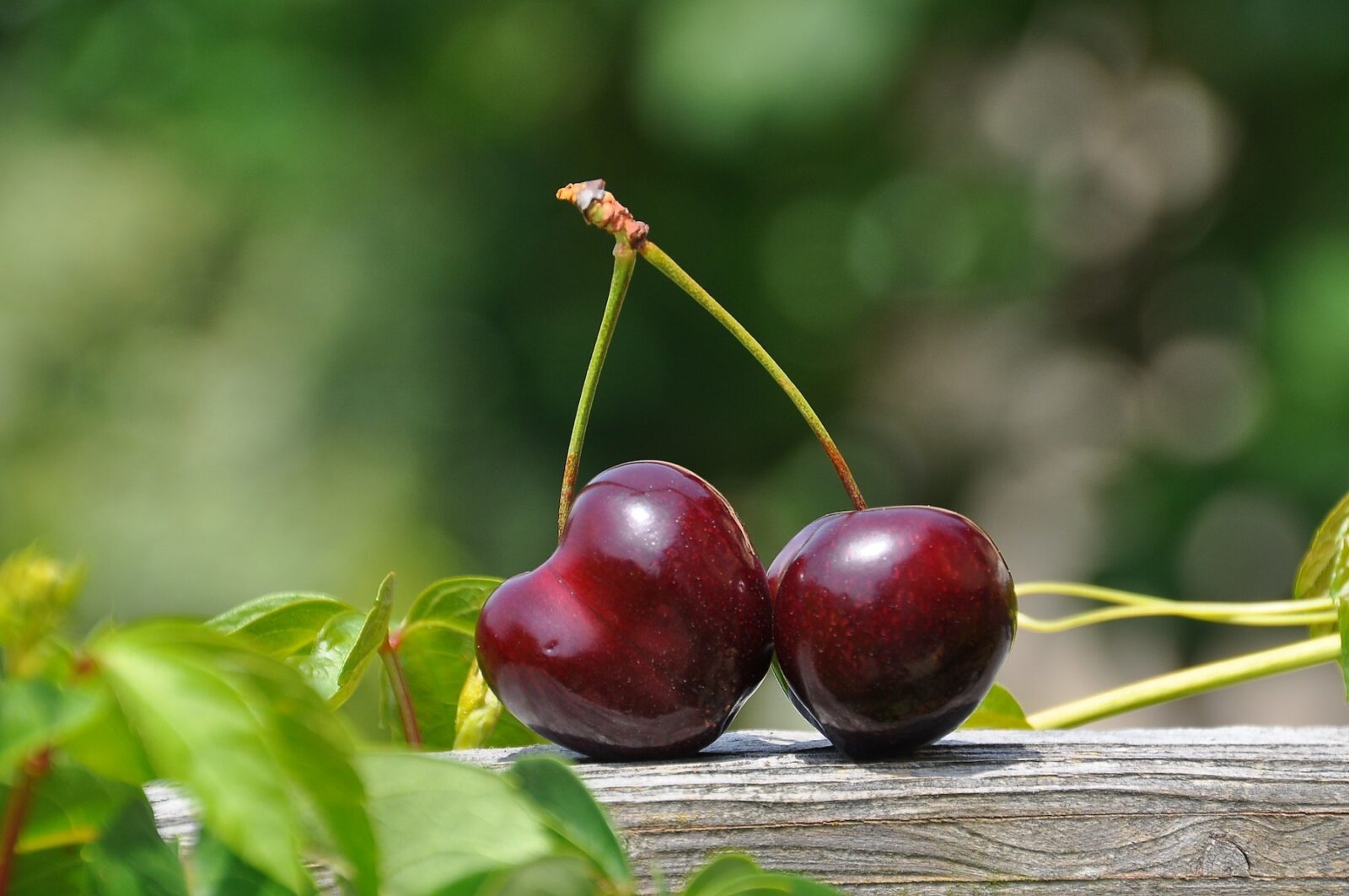
- Cherries
- Green Beans
- Collard Greens
- Spinach
- Sweet Bell Peppers
- Lettuce
- Blueberries
- Strawberries
- Kale
- Peaches
- Celery
For each of these food items, the USDA Pesticide Data Program has identified a range of pesticide residues, including known carcinogens, suspected hormone disruptors, neurotoxins, developmental or reproductive toxins, and honeybee toxins (USDA, 2020).
Additionally, honorable mentions include Broccoli, Cucumbers, Grapes, Potatoes, and Tomatoes, each containing various known pesticide residues. In contrast, Bananas, Grapefruit, Almonds, Asparagus, and Onions appear to have the lowest pesticide residues (USDA, 2020).
To reduce pesticide intake and optimize nutrient consumption, consider prioritizing the purchase of organic, locally-sourced produce whenever possible. This practice also reduces the likelihood of consuming genetically modified foods. Comprehensive pesticide residue data for various food sources can be found at the following site: http://www.whatsonmyfood.org/index.jsp. By replacing the top 12 pesticide-laden foods with their organic counterparts, you could potentially eliminate up to 80% of pesticide intake from your diet (EWG, 2020).
References
Alavanja, M. C. R., Hoppin, J. A., & Kamel, F. (2004). Health effects of chronic pesticide exposure: cancer and neurotoxicity. Annual Review of Public Health, 25(1), 155–197. https://doi.org/10.1146/annurev.publhealth.25.101802.123020
Bouchard, M. F., Bellinger, D. C., Wright, R. O., & Weisskopf, M. G. (2010). Attention-Deficit/Hyperactivity Disorder and Urinary Metabolites of Organophosphate Pesticides. Pediatrics, 125(6), e1270–e1277. https://doi.org/10.1542/peds.2009-3058
Environmental Working Group (EWG). (2020). EWG’s 2020 Shopper’s Guide to Pesticides in Produce. https://www.ewg.org/foodnews/summary.php
Jung, K. H., Harnly, J. M., & Lee, J. (2019). Rapid identification of flavonoid compounds from radicchio (Cichorium intybus L.) by high-performance liquid chromatography with ultraviolet and mass spectrometric detection. Journal of Agricultural and Food Chemistry, 67(37), 10449–10459. https://doi.org/10.1021/acs.jafc.9b03166
Lu, C., Toepel, K., Irish, R., Fenske, R. A., Barr, D. B., & Bravo, R. (2008). Organic diets significantly lower children’s dietary exposure to organophosphorus pesticides. Environmental Health Perspectives, 116(2), 260–266. https://doi.org/10.1289/ehp.10896
USDA Pesticide Data Program. (2020). PDP Annual Summary, Calendar Year 2019. United States Department of Agriculture. https://www.ams.usda.gov/sites/default/files/media/2019PDPAnnualSummary.pdf