
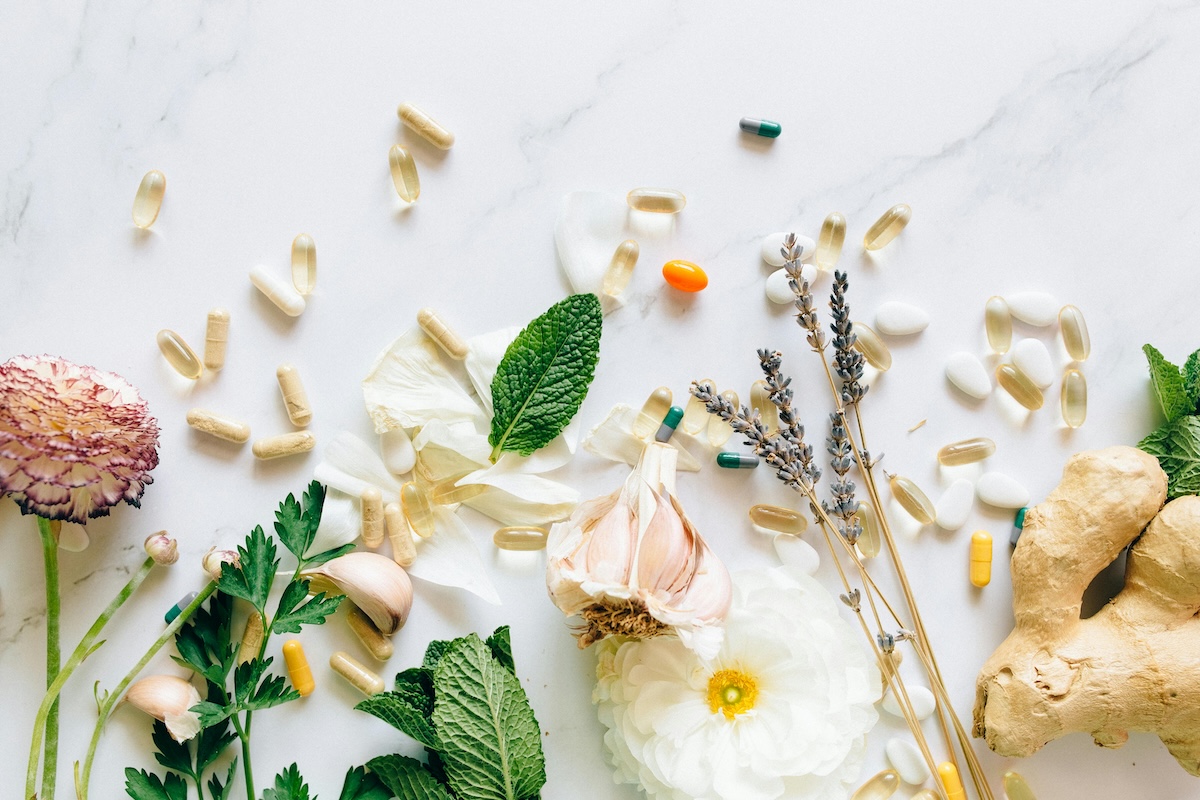
Navigating Flu Season: Beyond Vaccinations
As flu season rolls in, health agencies typically advocate for flu shots. However, there’s a more natural, effective way to enhance your immunity: through the consumption of nutrient-dense, whole foods. Here are some top food choices that can bolster your immune system, many of which are likely already in your kitchen or easily obtainable.
Garlic — A Small Bulb with Big Benefits
Garlic has been a staple in various ancient medical practices for its myriad health benefits. This humble bulb is packed with anti-inflammatory, anticancer, and antimicrobial properties thanks to compounds like saponins, phenolics, and sulfur-containing molecules such as allicin and ajoene.
- Immune Support: A 2024 study from the Food and Function journal highlights that garlic helps maintain immune homeostasis by positively affecting immune cells and cytokine expression, which can be crucial in fighting off infections like colds and flu.
- Practical Tips: Garlic’s longevity is a bonus; a whole head can last nearly six months when stored correctly. For maximum health benefits, use garlic raw or let it sit after chopping to boost its allicin content. If the taste is too strong, allow it to rest before cooking.
Ginger’s Bioactive Compounds Help Bust Inflammation
Ginger brings not just flavor but also significant health benefits to the table. Its use in tea or cooking can aid in warming you up while also providing anti-inflammatory, antioxidant, and immunomodulatory effects.
- Ginger’s Power: Key compounds like gingerol, shogaol, zingerone, and paradol are responsible for these benefits. A study in Frontiers in Nutrition details how these compounds help in reducing inflammation, enhancing antioxidant activity, and supporting immune function.
- Usage and Storage: Ginger can be incorporated into your diet in various forms — from grated in smoothies to slices in tea. Peel it with a spoon to preserve more of the root. Fresh, unpeeled ginger can last three weeks at room temperature and up to a month in the fridge, making it a convenient choice for flu season.
- Health Applications: Ginger has shown effectiveness against oral bacteria and respiratory infections, making it a go-to during colder months when throat issues are common.
Spicy Chili Peppers Help Clear Congestion
Have you ever felt your nose run after eating spicy foods like chili peppers? That’s due to capsaicin, the compound responsible for their heat. This reaction can be particularly beneficial during flu season; according to experts, capsaicin helps to thin mucus, making it less hospitable for viruses and bacteria.
- Nutritional Powerhouse: Chili peppers aren’t just about heat; they’re also loaded with vitamin C, sometimes surpassing even oranges in content. For example, a 4-ounce serving of green bell pepper offers 80 mg of vitamin C, while yellow, red, and orange varieties can provide up to 184 mg, 142 mg, and 158 mg respectively.
- Variety and Storage: You can experiment with types like serrano, jalapeno, or poblano. When stored in the fridge, chili peppers can last up to a year, and freezing extends their lifespan even further.
- Moderation is Key: While beneficial, excessive capsaicin consumption can lead to side effects like diarrhea, nausea, or a burning sensation in the GI tract.
Raw Manuka Honey — More Effective Than Antibiotics Against Respiratory Tract Infections
Manuka honey, derived from the nectar of the Leptospermum plant in Australia and New Zealand, is celebrated not just for its taste but for its health benefits, particularly in healing wounds and fighting infections.
- Antimicrobial Properties: Thanks to dihydroxyacetone, which converts into methylglyoxal (MGO), manuka honey has potent antibacterial effects.
- Superior to Antibiotics: Research from a 2023 review in BMJ Evidence-Based Medicine found manuka honey to be more effective than usual treatments for upper respiratory infections, improving symptoms like cough severity.
- Quality Matters: To gain these benefits, ensure the honey is pure and unadulterated. Processed or adulterated honey from supermarkets lacks these health properties. Pure manuka honey can last indefinitely if stored correctly.
Sip on Turmeric or Green Tea for an Immunity Boost
Hydration is crucial for immune health, and certain beverages can double as immune enhancers:
- Turmeric Tea: Turmeric, akin to ginger, contains curcumin, which has well-documented anti-inflammatory and antioxidant properties. A study showed that 150 mg of curcumin daily could significantly reduce the duration of cold symptoms.
- Green Tea: Rich in polyphenols like EGCG, green tea supports various immune functions through its antioxidant and anti-inflammatory effects. A review in Food Science and Human Wellness suggests that green tea’s compounds synergistically enhance both innate and adaptive immunity.
- Enhancement with Lemon: Adding lemon to green tea increases catechin absorption due to the vitamin C content, amplifying its health benefits.
- Tea Quality: Opt for loose-leaf green tea to avoid contaminants like microplastics found in tea bags.
Other Healthy Foods to Have on Hand During Cold and Flu Season
The world of immune-boosting foods is vast and varied. Beyond the specifically highlighted items, here are several more foods you should consider adding to your diet for a robust immune system:
Citrus Fruits: A Vitamin C Powerhouse
- Oranges, Tangerines, Lemons, Limes: These fruits are packed with vitamin C and folate, both crucial for strengthening immune barriers and enhancing the function of various immune cells like phagocytes, natural killer cells, T-cells, and B-cells.
Pumpkin: More Than Just a Fall Favorite
- Nutritional Benefits: Pumpkin isn’t just a seasonal delight; it’s a year-round superfood rich in vitamins A, C, and B. Its benefits include antioxidant, anti-inflammatory, antiviral, and antidiabetic properties. Always opt for fresh pumpkin over processed pumpkin-flavored products for maximum health benefits.
Apples: An All-Round Health Booster
- Health Perks: Apples provide fiber, vitamin C, and antioxidants such as anthocyanins and vitamin E. Research suggests that regular apple consumption can lower the risk of cardiovascular diseases, diabetes, and even offers anti-asthmatic and anti-allergic benefits.
Berries: Nature’s Little Health Bombs
- Berry Benefits: Raspberries, blueberries, blackcurrants, and blackberries are loaded with phenolic compounds like anthocyanins, flavonols, and phenolic acids. These compounds contribute to antioxidant, antimicrobial, anti-inflammatory, and immunomodulatory effects, fortifying your immune system.
Additional Tips for Symptom Relief
- Coarse Sea Salt Gargle: Dr. Tania Elliott suggests gargling with warm salt water, particularly with coarse sea salt, to reduce inflammation in the throat. “It helps to wash away viruses, bacteria, allergens, and mucus,” she explains. However, due to potential contamination with plastic microparticles, Himalayan salt, which is free from modern pollutants, is a safer choice.
By integrating these foods into your diet, you’re not just preparing for flu season but also supporting your overall health. Remember, the key to an effective immune system is not just in consuming these foods but also in maintaining a balanced diet, staying hydrated, and leading a healthy lifestyle.