
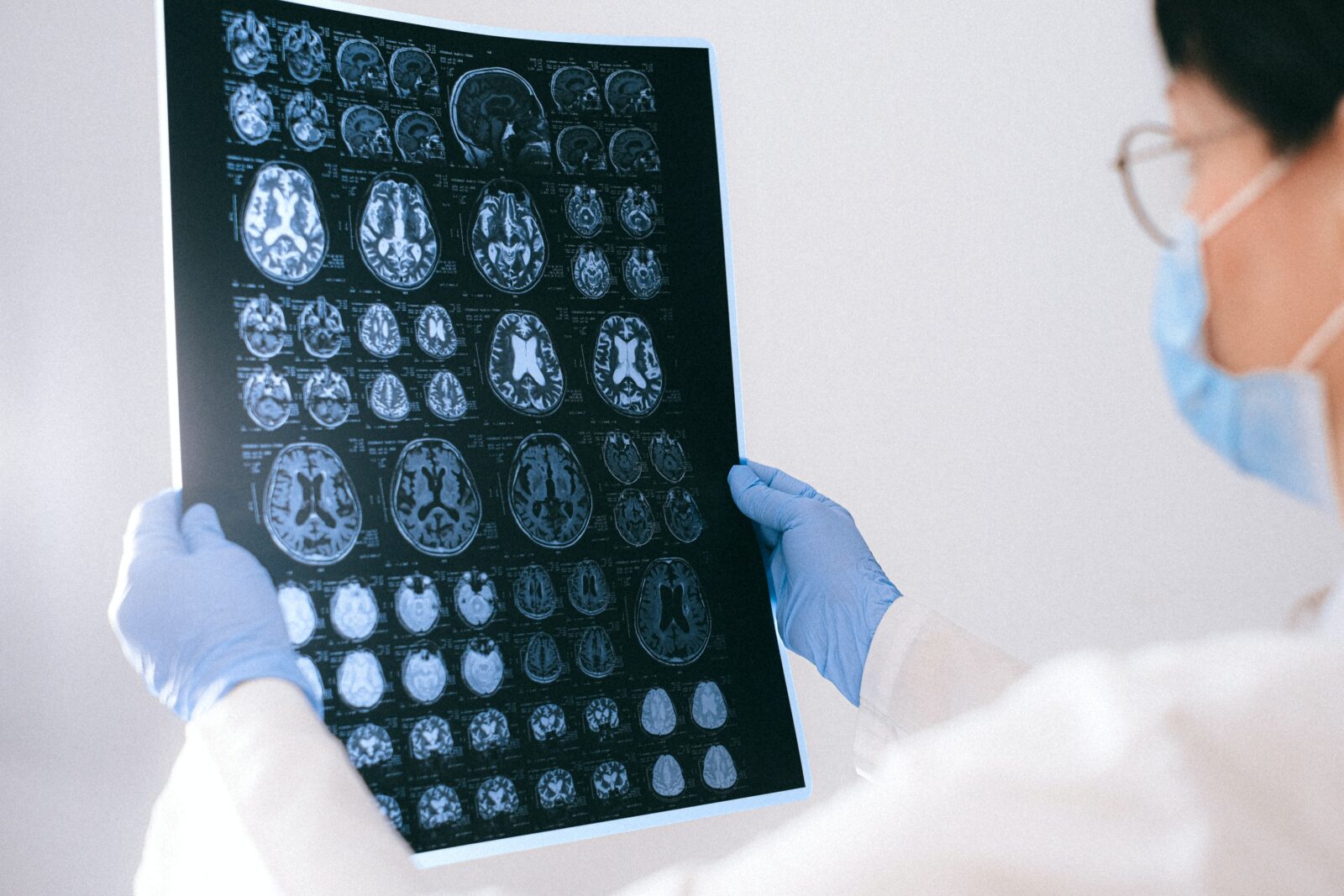
Researchers are beginning to pinpoint how COVID-19 damages the brain. New evidence suggests that the virus attacks the brain in multiple ways. It can assault certain brain cells directly, trigger the production of immune molecules that can damage brain cells, and reduce blood flow to brain tissues.
A COVID-19 infection can also cause strokes, memory loss, and other negative effects on the brain. Can early intervention help prevent these effects? Researchers are looking into finding answers. One study showed that 80% of people hospitalized with COVID-19 had neurological symptoms, and doctors hope to find better treatments.
COVID-19 and its effects on the brain
Scientists point to images of people’s brains before and after they had COVID-19, which show a loss of gray matter in several areas of the cerebral cortex. Early in the pandemic, scientists hypothesized that the virus may enter the brain and infect neurons, which are the cells that transmit and process information. However, subsequent studies have shown that the virus has difficulty breaching the blood-brain barrier, making an attack on neurons unlikely.
COVID-19 and the loss of smell and taste
So how does the SARS-CoV-2 virus make it into the brain if it cannot pass the blood-brain barrier? Scientists are looking at the olfactory mucosa as the potential passageway. The olfactory mucosa is the lining of the nasal cavity that borders the brain. The virus is typically found in the nasal cavity, which is why COVID-19 tests are performed with a nasal swab.
Still, there is limited evidence of the virus entering the brain through the olfactory mucosa or even that the virus is infecting brain cells. The most recent studies show that the virus can infect astrocytes, which are cells in the brain with many functions such as providing nutrients to neurons.
One early report shows that the SARS-CoV-2 virus preferentially infects astrocytes over other brain cells. The researchers exposed brain organoids to the virus. SARS-CoV-2 almost exclusively infected astrocytes over all other cells present. This report is currently awaiting peer review.
Another report from the University of Campinas in Brazil analyzed brain samples from 26 people who had died with COVID-19. Five of those samples showed evidence of brain cells infected with SARS-CoV-2, and 66% of those showed that the affected cells were astrocytes.
Infected astrocytes may be the cause of neurological symptoms associated with COVID-19, especially fatigue, depression, and ‘brain fog’, which includes confusion and forgetfulness. These symptoms could be consistent with astrocyte vulnerability.
Astrocytes might be vulnerable even if they are not infected by the virus. A study published in June compared the brains of 8 deceased people who had COVID-19 with the brains of 14 people who did not have COVID-19. The researchers found no trace of SARS-CoV-2 in the brains of the infected people, but they did find that gene expression had been affected in some astrocytes, which were not working properly.
These studies are prompting scientists to examine how many brain cells must be infected or damaged to cause neurological symptoms. The answer may be complex because cells in certain areas of the brain can cause more dysfunction than others if they are damaged.
Evidence has also accumulated that SARS-CoV-2 can affect the brain by reducing blood flow to it — impairing neurons’ function and ultimately killing them. And another report showed that pericytes in capillaries could be infected by the SARS-CoV-2 virus. This report is awaiting peer review.
How COVID-19 can damage the brain
In April, David Attwell, a neuroscientist at University College London, and his colleagues published an early report showing evidence that SARS-CoV-2 can affect pericytes’ behavior. The researchers examined hamster brains and found that the SARS-CoV-2 blocks the functioning of receptors on pericytes, causing capillaries in the tissue to constrict. This could result in permanent injury from small-vessel strokes.
A potential treatment may be drugs used to treat hypertension. Two clinical trials are currently investigating the effect of the blood-pressure drug losartan to treat the disease.
Immune malfunction
Growing evidence shows that some neurological symptoms and damage are the result of the body’s own immune system overreacting and even misfiring after encountering the coronavirus.
Over the last 15 years, scientists have produced strong evidence that some people have immune systems that malfunction and make autoantibodies that attack their own tissue.
This can cause long-term conditions such as neuromyelitis optica, in which people experience symptoms such as loss of vision and weakness in their limbs. These autoantibodies can breach the blood-brain barrier and contribute to neurological disorders like memory impairment or even psychosis.
In a study published last year, researchers isolated antibodies to SARS-CoV-2 and found one that protected hamsters from infection and lung damage. The objective was to discover new treatments. The scientists also discovered that the antibodies can bind to brain tissue causing damage.
In a second study by the same team, scientists investigated the blood and cerebrospinal fluid of 11 people with severe COVID-19 infections. All of these patients exhibited neurological symptoms, and all of them produced autoantibodies capable of binding to neurons. And there is evidence that giving patients intravenous immunoglobulin, another type of antibody, to suppress the harmful autoantibodies’ action can be successful.
These 3 pathways, astrocytes, pericytes, and autoantibodies, may not be the only pathways that the virus uses to enter the brain. Other factors may cause neurological symptoms in patients with COVID-19 as well. Determining the specific pathway will help determine the treatment.