
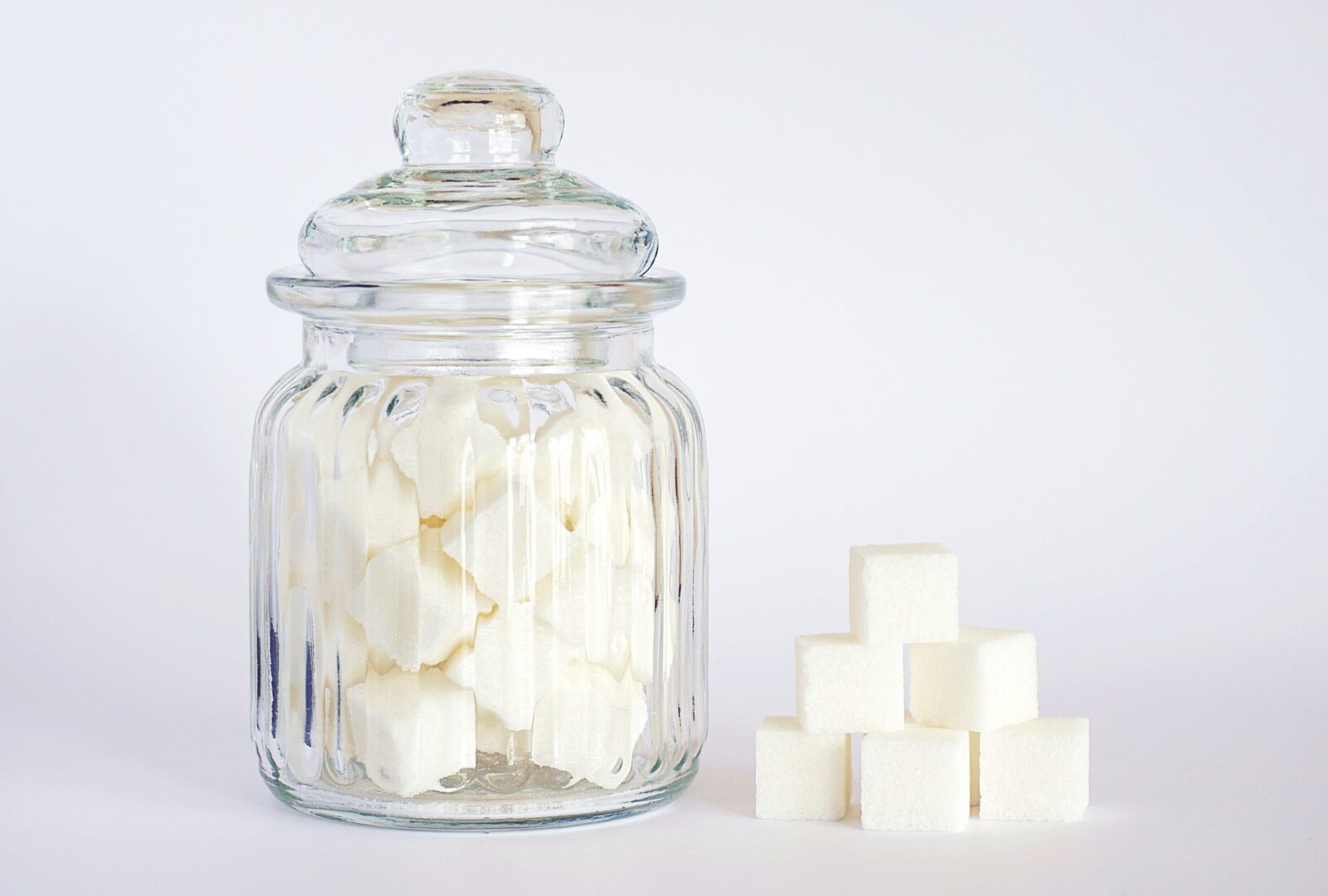
Most Americans consume way too much sugar. Even if you avoid the candy aisle, most processed foods contain an excessive amount of added sugars.
The BBC wrote a report called “The Truth About Sugar.” The report noted that a serving of Pad Thai noodles contained 9.5 teaspoons of sugar and a package of sweet and sour chicken with rice contained 12.5 teaspoons, which is more than a can of soda.
Even many baby foods contain large amounts of sugar, which puts our children on a trajectory towards lifelong sugar addiction and numerous health problems associated with excessive sugar. Many studies have shown how sugar acts like other addictive substances.
A 2019 study published in Scientific Reports stated that “Excessive sucrose consumption elicits addiction-like craving that may underpin the obesity epidemic.”
Sugar alters your brain chemistry
In this study, the scientists used PET imaging combined with beta-opioid and dopamine receptor agonists. The test subjects were miniature pigs, which have well-defined subcortical and prefrontal cortical regions. This gave the researchers the ability to translate their findings into human brain function.
“After 12 days of sucrose access, BPND [non-displaceable binding potentials] of both tracers had declined significantly in the striatum, nucleus accumbens, thalamus, amygdala, cingulate cortex and prefrontal cortex, consistent with down-regulation of receptor densities … The lower availability of opioid and dopamine receptors may explain the addictive potential associated with intake of sucrose.”
They found that a single exposure to sucrose resulted in a 14% decrease in carfentanil, which is a beta-opioid receptor agonist, binding to the cingulate cortex and nucleus accumbens. These results are consistent with an opioid release.
In plain English, ingesting sugar triggers the release of natural opioids and dopamine in the brain, which decreases the availability of the receptors. Decreased receptor availability is an indicator of brain overstimulation. When your brain is overstimulated, it reduces the receptor levels to protect the brain from damage.
However, this protective action results in the need for a higher dose of the substance to produce the same level of pleasure response. This is how addiction develops.
According to the researchers of the study, “The results clearly demonstrate that sucrose affects reward mechanisms in a manner similar to that of drugs of abuse.” The intake of sucrose as a palatable substance is known to release dopamine and induce dependency in rodents, with sucrose shown to be even more pleasurable than cocaine in rodents in certain contexts. Thus, rodents work more intensely to obtain sucrose than cocaine, even in the absence of food deprivation.”
In addition, the scientists wrote, After 12 days of sucrose access, we observed decreased carfentanil binding, which has several possible explanations, including endogenous opioid release and binding to μOR [beta-opioid receptors], μOR internalization as a result of increased opioid binding, and increased DA D2/3 receptor activation leading to heterologous desensitization of μOR …
In a study of acute feeding behavior in healthy men, feeding led to robust and widespread endogenous cerebral opioid release, both in the presence and absence of hedonia, suggesting that opioid release reflects metabolic and homeostatic, as well as hedonic, responses.”
Other brain changes triggered by excessive sugar
Ingesting sugar on a daily basis has also been shown to inhibit neurogenesis in the hippocampus and impair spatial memory. The hippocampus is involved in both memory processes and learning.
Research on rats showed a high-sugar diet altered their inhibitory neurons in the prefrontal cortex, which is responsible for impulse control and decision-making. In addition to negatively affecting the ability to delay gratification, the alteration may increase the risk of mental health issues in children and adolescents.
This study published in 2015 noted, “We found that sucrose-exposed rats failed to show context-appropriate responding … indicative of impairments in prefrontal cortex function. Sucrose exposed rats also showed deficits on the object-in-place recognition memory task, indicating that both prefrontal and hippocampal function was impaired.
The analysis showed a reduction in expression of parvalbumin-immunoreactive GABAergic interneurons in the hippocampus and prefrontal cortex, indicating that sucrose consumption during adolescence induced long-term pathology, potentially underpinning the cognitive deficits observed.
Parents should take note. The results of that study suggest that drinking high levels of sugar-sweetened beverages, such as sodas and sports drinks, may impair neurocognitive functioning. Your teenagers may find it more difficult to make good decisions and remember what they learn in school. It may also put them at risk of developing mental health disorders.
Eliminating sugar es a quick route to better health
In addition to impacting mental health, consuming sugar adds on pounds, and the increased empty calories can add those pounds to your body very quickly.
As noted in the BBC program, “The Truth About Sugar,” drinking three cups of tea or coffee per day with 2 teaspoons of sugar added to each cup can result in a 9.9-pound weight gain in a single year if you keep your same level of activity.
The typical American consumes 17 teaspoons of sugar daily, almost three times the amount as the example above.
The World Health Organization recommends limiting your daily sugar consumption to 10% of your total intake, or better yet, 5%, which equates to about 6 teaspoons or 25 grams for optimum health benefits.
Plus, research shows that reducing your overall sugar intake can result in better biomarkers pointing to good health, even if calories and carbohydrate consumption remains constant.
It’s hard to do without paying close attention to labels at the grocery store. Added sugars are in close to 75% of all processed foods sold in America. One of the most difficult issues is that sugar is labeled with various names, such as high fructose corn syrup. Still, excessive sugar consumption remains the primary driver of diabetes, hypertension, and obesity.
Final thoughts
We have so many ways to make better choices in our lives that produce real results and better overall wellbeing. Reducing sugar intake is one of those choices. Eliminate sodas, sports drinks, and sugary cereal to start. Read the labels on any processed foods. Sugar has many names on the labels that are acceptable to U.S. standards. For instance, take a look at these:
Common names for sugar
According to the U.S. Dept. of Health and Human Services, added sugars show up on food and drink labels under the following names: Anhydrous dextrose, brown sugar, cane crystals, cane sugar, corn sweetener, corn syrup, corn syrup solids, crystal dextrose, evaporated cane juice, fructose sweetener, fruit juice concentrates, high-fructose corn syrup, honey, liquid fructose, malt syrup, maple syrup, molasses, pancake syrup, raw sugar, sugar, syrup and white sugar.
Other types of sugar you might commonly see on ingredient lists are fructose, lactose, and maltose. Fructose is a sugar derived from fruit and vegetables; lactose is milk sugar, and maltose is sugar that comes from grain.
Less common names for sugar
The HHS list of sugar names is by no means exhaustive. The following are also found on food labels: sorbitol, concentrated fruit juice, corn sweetener, diglycerides, disaccharides, evaporated cane juice, erythritol, Florida crystals, fructooligosaccharides, galactose, glucitol, glucosamine, hexitol, inversol, isomalt, maltodextrin, malted barley, malts, mannitol, nectars, pentose, raisin syrup, ribose rice syrup, rice malt, rice syrup solids, sorbitol, sorghum, sucanat, sucanat, xylitol, and xylose.
It may take a bit more effort, but the benefits outweigh those efforts.