
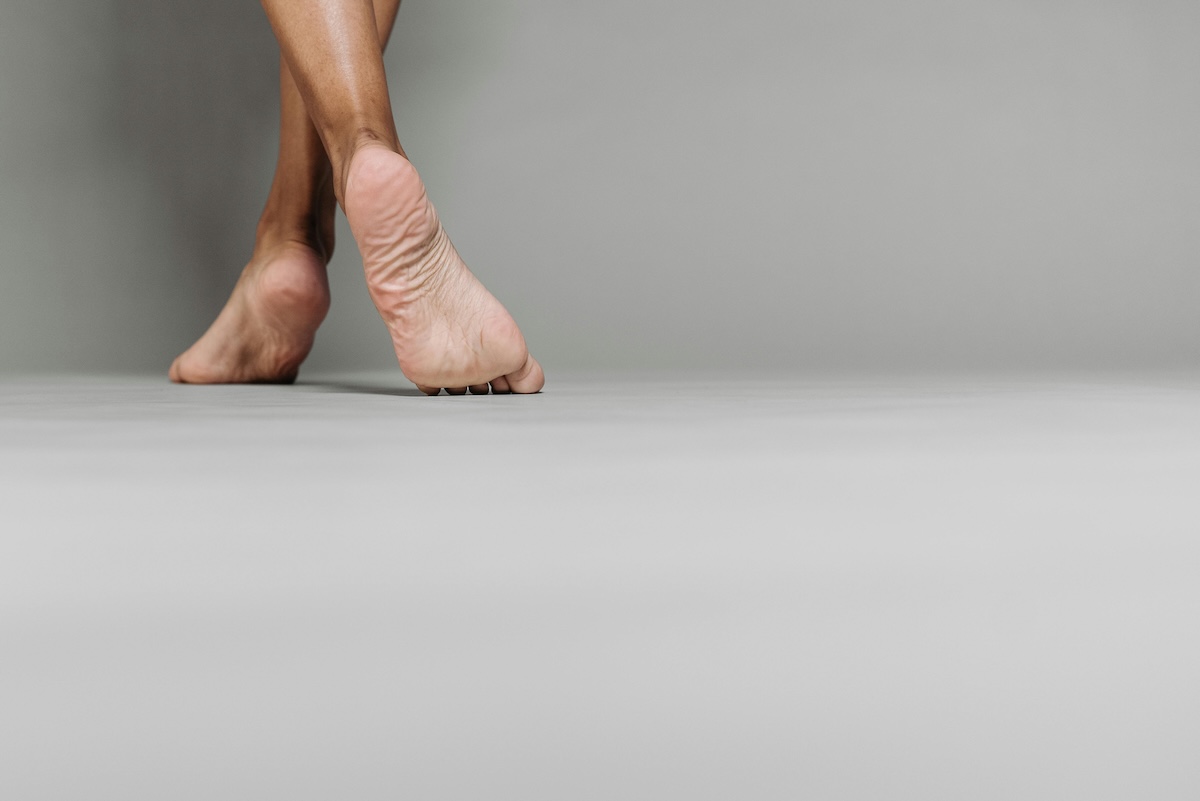
In the hierarchy of human physiology, we revere the heart for its endurance and the brain for its brilliance. Yet, tucked quietly beneath the gastrocnemius—the visible bulge of the calf—lies a slender, uncelebrated powerhouse: the soleus muscle.
Named for its flat, fish-like shape (“solea” in Latin), the soleus makes up barely 1% of total body mass. But new research from the University of Houston and other laboratories has uncovered something extraordinary: this small, overlooked muscle may hold the key to metabolic health, cardiovascular resilience, and even longevity.
Once thought to play a minor role in posture and walking, the soleus is now recognized as a metabolic engine that can burn fuel for hours without fatigue—a unique capability found nowhere else in human physiology. When activated in specific ways, it can cut post-meal blood sugar spikes by 52%, reduce insulin needs by 60%, and sustain fat oxidation long after activity stops.
And perhaps most surprising of all: it can do this while you’re sitting.
The Forgotten Metabolic Powerhouse
The breakthrough comes from studies led by Dr. Marc Hamilton, a professor of Health and Human Performance, who discovered a new type of muscular activity he calls the Soleus Pushup (SPU)—a subtle seated movement that activates the deep soleus muscle without engaging the larger leg muscles that fatigue easily.
In controlled studies, participants performed gentle heel raises while seated, engaging the soleus rhythmically for hours. The results stunned researchers. Blood glucose dropped by over half compared to controls, and insulin responses decreased dramatically.
The key lies in how the soleus generates energy. Unlike most skeletal muscles that rely on glycogen (stored carbohydrate) for fuel, the soleus primarily burns blood glucose and circulating fats directly—a process that allows it to operate indefinitely without exhaustion.
Dr. Hamilton called the soleus “metabolically unique,” explaining that “its ability to sustain oxidative metabolism for hours without fatigue makes it one of the most important muscles for human metabolic health.”
Breaking the Glycogen Barrier
In typical exercise, muscles deplete glycogen stores within minutes, forcing the body into fatigue and limiting duration. But the soleus doesn’t play by those rules.
Instead, it bypasses the glycogen pathway and continuously draws fuel from the bloodstream—acting like a natural glucose sink that lowers sugar levels even when the rest of the body is at rest.
This distinctive biochemistry effectively creates a metabolic loop:
- The soleus extracts glucose and lipids from the blood.
- It oxidizes them efficiently in mitochondria-rich fibers.
- The resulting energy supports circulation and posture.
- Meanwhile, blood sugar and triglyceride levels drop steadily.
It’s a quiet, continuous burn—like keeping the metabolic pilot light on, preventing the dangerous surges that follow meals or prolonged inactivity.
Clinical Significance: From Metabolic Syndrome to Heart Failure
The implications are staggering. Modern lifestyles have created an epidemic of metabolic inflexibility—the inability to switch between fat and glucose burning. This underlies conditions like type 2 diabetes, obesity, fatty liver disease, and heart failure.
Yet the soleus seems to restore precisely that flexibility. In Hamilton’s 2022 study published in iScience, participants who engaged their soleus muscle through SPUs exhibited:
- 52% reduction in postprandial blood glucose (after eating)
- 60% decrease in insulin requirements
- Sustained fat oxidation for hours
These benefits occurred without traditional exercise, proving that metabolic activation doesn’t always require movement intensity—it requires cellular engagement.
Even more compelling, other research has shown that impaired soleus function correlates with nearly a fourfold increase in mortality risk, particularly from cardiovascular causes. That means this humble calf muscle could be one of the strongest predictors of survival—stronger, in some cases, than blood pressure or cholesterol.
The Muscle That Never Sleeps
While most muscles alternate between activity and rest, the soleus operates nearly continuously throughout waking hours, subtly contracting to stabilize posture and support venous return—the upward flow of blood from the legs to the heart.
In people with sedentary lifestyles or weakened soleus activation, this circulation becomes sluggish. The result is venous pooling, reduced oxygen delivery, and greater strain on the heart. Over time, the consequences can include edema, vascular dysfunction, and eventually heart failure.
But activating the soleus reverses this. Each contraction acts like a second heart, pumping blood upward and improving overall cardiovascular efficiency. In elderly patients, those who maintain strong soleus activity experience lower blood pressure, better circulation, and fewer heart-related complications.
A Metabolic “Off Switch” for Sitting Disease
Prolonged sitting has been dubbed the “new smoking” for its impact on health. Extended inactivity shuts down key enzymes in muscle cells, particularly lipoprotein lipase, which is essential for clearing fats from the bloodstream.
Traditional exercise routines can’t fully counteract this, because the damage accumulates during the many hours of non-movement between workouts. But activating the soleus—even while seated—can keep those enzymes switched on.
Dr. Hamilton describes the effect as “metabolic maintenance in real time.” Instead of waiting for a workout to restore balance, the soleus continuously burns glucose and fat, protecting the body from metabolic stagnation.
In essence, the muscle allows you to fight the metabolic consequences of sitting without ever leaving your chair.
The Science of Fatigue Resistance
What makes the soleus uniquely fatigue-resistant is its composition of slow-twitch (Type I) muscle fibers—the most oxidative and mitochondria-dense in the human body.
These fibers specialize in endurance and steady-state energy production. Their mitochondria consume oxygen at exceptionally high rates, turning glucose and fat into ATP with minimal byproduct accumulation.
Whereas running or cycling muscles exhaust quickly, the soleus can contract rhythmically for hours without losing strength, as long as it receives a steady fuel supply from the bloodstream.
This remarkable property hints at a therapeutic target for diseases of energy metabolism—from diabetes to chronic fatigue syndrome—where mitochondrial inefficiency plays a central role.
Beyond Exercise: The Future of Metabolic Medicine
The soleus discovery signals a paradigm shift in how we define “exercise.” It suggests that metabolic health is less about intensity and more about continuity—the body’s ability to keep energy systems engaged throughout the day.
Dr. Hamilton’s team is now exploring how soleus activation might aid in treating type 2 diabetes, prediabetes, and even Alzheimer’s disease, which is increasingly viewed as a metabolic disorder of the brain.
Preliminary data also show improvements in lipid metabolism, inflammatory markers, and vascular function after weeks of daily SPU training. In animal models, chronic soleus stimulation improved insulin sensitivity and reduced visceral fat, even without dietary changes.
The implications reach beyond medicine into public health: if a simple seated movement can mimic hours of exercise at the cellular level, it could redefine preventive care for millions of people unable to engage in strenuous physical activity.
Practical Application: How to Activate the Soleus
While research-grade protocols require specialized equipment, individuals can approximate soleus activation with a seated heel-raise technique.
Here’s how to engage your soleus safely:
- Sit upright with feet flat on the ground, knees at a 90° angle.
- Relax your thigh and let your heel lift slowly while keeping the front of your foot anchored.
- Lower the heel under control, maintaining a steady rhythm—like a slow, silent pulse.
- Continue for several minutes at a time, ideally after meals.
Unlike typical calf raises, the goal isn’t power or range of motion—it’s sustained rhythmic engagement. When done correctly, you’ll feel warmth deep in the lower calf, signaling activation of the soleus rather than the superficial gastrocnemius.
The Future of “Micro-Exercise”
As metabolic research advances, the soleus pushup could become the prototype for a new category of interventions: “micro-exercises” designed to maintain cellular metabolism continuously rather than episodically.
Imagine office chairs, vehicle seats, or even airplane footrests engineered to subtly stimulate the soleus during daily life. In hospitals, such technology could prevent complications from immobility. In workplaces, it could offset the health toll of prolonged sitting.
The potential public health impact is enormous. With one muscle representing only 1% of body mass, we could tackle over half of post-meal glucose surges and substantially reduce the burden of diabetes and cardiovascular disease worldwide.
Conclusion: Evolution’s Metabolic Gift
The soleus muscle reminds us that the body’s most profound mechanisms are often hidden in plain sight. While modern medicine has spent decades targeting the brain, pancreas, and liver in its battle against metabolic disease, the real key may lie in the lower leg—a living relic of our evolutionary design for endurance and balance.
When awakened through gentle, rhythmic activation, this “forgotten muscle” restores the body’s natural rhythm of fuel use and circulation. It proves that even in stillness, we can ignite motion within—a quiet revolution of metabolism, health, and human design.
The next great exercise breakthrough may not happen in the gym, but in your chair—powered by the most underestimated muscle in your body: the soleus.
REFERENCES:
- Hamilton, M. T., et al. (2022). The soleus muscle and whole-body glucose metabolism: New insights from the soleus pushup. iScience, 25(10), 105202.
- DeVita, P., et al. (2023). Postural muscle activity and metabolic health. Frontiers in Physiology, 14, 1210924.
- Nishiyama, S., et al. (2018). Reduced soleus strength and cardiovascular mortality risk. Journal of Applied Physiology, 125(2), 515–523.
- Pedersen, B. K., & Febbraio, M. A. (2012). Muscles as endocrine organs: Metabolic implications. Nature Reviews Endocrinology, 8(8), 457–465.
- Hamilton, M. T. (2023). Metabolic inactivity: The physiological consequences of sitting. Cell Metabolism, 35(3), 346–358.