
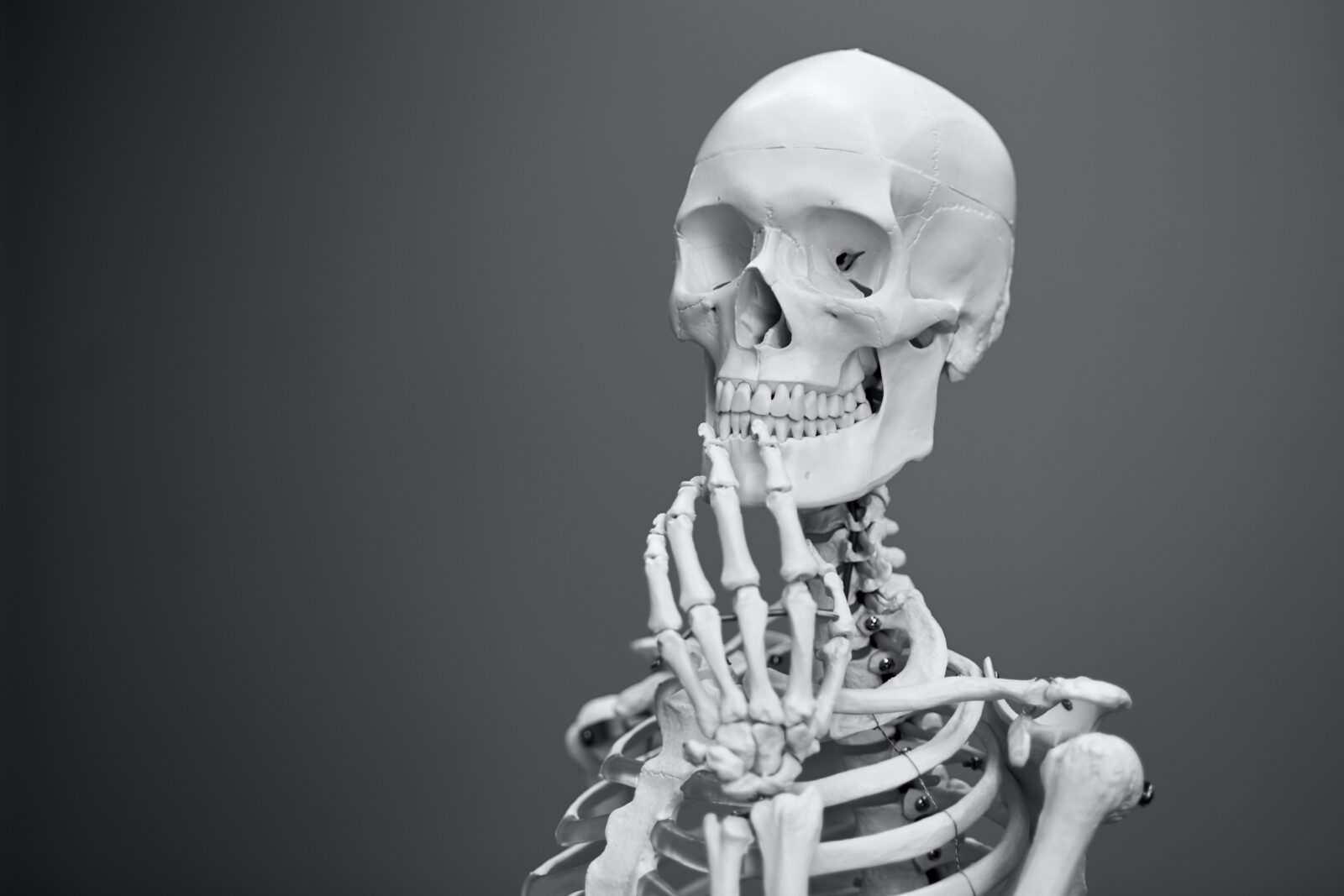
Have you heard the phrase “scurvy of the bone?” It refers to an alternative way of understanding osteoporosis.
Receiving a diagnosis of osteoporosis or osteopenia can be frightening. If it happens, your doctor will likely prescribe calcium supplements or problematic meds called bisphosphonates.
Is this the only way to address the problem of degrading bones as we age? Other factors are at play in osteoporosis, and addressing those factors may help keep the condition at bay. For instance, patients suffering from vascular disease while taking calcium supplements may eventually develop calcified blood vessels and calcified heart valves.
For those with high blood pressure, the primary med used to treat it is a thiazide diuretic, which causes your body to retain calcium and lose potassium and magnesium. Artery calcification can happen throughout the body, but this problem may be avoidable. Your bones will utilize calcium and nutrients properly as long as the right hormones and nutrients are present.
Keep in mind as well that weight-bearing exercise is very important to the health of your bones and skeleton. Add in some weight training to your weekly routine, even if it’s using 5 lb. weights. It makes a difference.
Take an honest assessment of your diet as well. A nutrient-based diet is the first place to start, then add in certain supplements.
Add foods to your diet that are dense with vitamin C, vitamin K2, magnesium, and other minerals like silica and boron. Silica is an important trace mineral for bones. Your doctor may prescribe calcium and Fosomax but talk to your physician about vitamin C, vitamin K2, and vitamin D3 as well as the minerals magnesium, silica, and boron. These are just as important to preventing fractures and keeping your bones healthy. In fact, they may be even more important than calcium.
Calcium will remain in your heart muscles, heart valves, and blood vessels, which may contribute to cardiovascular disease. However, if you are getting enough vitamin C, D3, and K2, the calcium will be directed to the appropriate place rather than your heart and blood vessels.
Vitamin C works in several ways to strengthen bones:
- Prevents too much degradation of bone by inhibiting bone-absorbing cells.
- Dampens oxidative stress, which is what aging is.
- It mineralizes the bone and stimulates bone-forming cells to grow.
- Is vital in collagen synthesis.
When your body is deficient in vitamin C, the opposite will happen. Bone cells called osteoclasts work to degrade your bones. Without adequate vitamin C, they will proliferate, and osteoblasts, which create new bone, will not form.
Studies have shown that elderly patients who fractured bones had significantly lower levels of vitamin C in their blood than those who haven’t fractured. Bone mineral density is higher in those who supplement with vitamin C, independent of estrogen level.
Vitamin K2 is important in cardiovascular and bone health. Supplementing this is also a good idea if bone or heart issues are a concern. And vitamin D3 with a level around 50-70 mg/ml will help keep the immune system functioning well and your bones strong and healthy.
While this may seem like a lot, it is crucial to keep your bones healthy as you age. Getting enough vitamin C is not always easy through diet alone. Plus, in our modern toxic world, our toxin load requires far more vitamin C to combat oxidative stress.
Humans don’t make any vitamin C. We must obtain it from other sources. Consider at least a vitamin C supplement. It is well known as the most non-toxic, safe supplement. Find liposomal vitamin C, sodium ascorbate, or ascorbic acid, never Ester-C or calcium ascorbate. If you prefer a natural plant-based source, camu-camu is very high in C.