
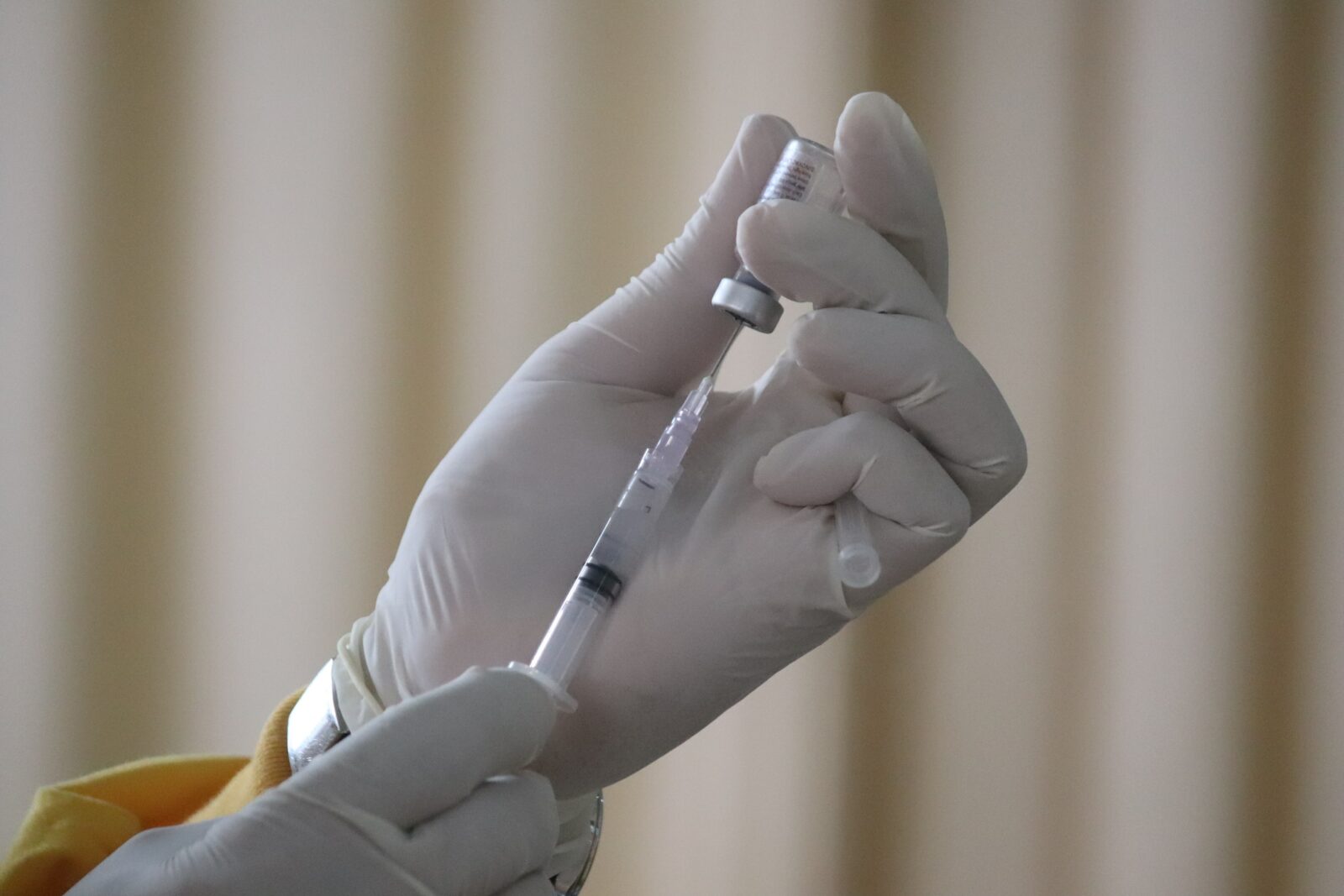
Vaccines have become a hot-button topic in the health care discussion. Many people are decidedly pro-vaccine in all circumstances, while others remain very concerned about the safety of so many vaccines in the market. Now, vaccine mandates are included in the public debates.
Let’s begin by looking at what a vaccine is and how it works. Then let’s take a look at the potentially toxic ingredients like aluminum in vaccines and whether they are safe.
Aluminum hydroxide
Stanley Hem, professor of industrial and physical pharmacy at Purdue says “Aluminum hydroxide is used in vaccines to increase the body’s production of antibodies, though no one knows how it works.”
Aluminum hydroxide is a protoplasmic poison and neurotoxin that is unnatural to the biochemical process of every life form worldwide. The human body does not know how to use it, and its potential for toxicity to the human body remains when introduced in a vaccine.
The American Academy of Pediatrics points to studies that show aluminum is thought to interfere with various metabolic and cellular processes in the nervous system and other areas of the body.
Vaccines and the immune system
Antibodies are protein molecules generated by your immune system to attack pathogens. Antigens are protein molecules that stimulate the immune system.
In the 30s, researchers investigated numerous ingredients to determine which would introduce antigens into the body so the immune system would produce antibodies. They determined that aluminum was an effective adjuvant that stimulates the immune system resulting in antibody production. The FDA limits the dosage to 0.85 mg of aluminum per vaccine to minimize exposure. Children following normal vaccine protocols receive up to 3.75-4 mg of aluminum in the first 6 months of life.
Testimony regarding safety
Dr. Stanley Plotkin is an American physician who works as a consultant to vaccine manufacturers, such as Sanofi Pasteur, as well as for biotechnology firms, non-profits, and governments. In the 1960s, he played a key role in the discovery of a vaccine against the rubella virus while working at Wistar Institute in Philadelphia.
In January of 2018, Dr. Plotkin went on record during an 8-hour deposition confirming integral aspects of vaccinations and immunity and what scientific evidence has long suggested. “Immune activation is the objective of vaccines” stated Dr. Plotkin. This response was in follow up to his recognition that IL-6 is an important factor in immune activation.
Thus, the stimulation of the immune system through vaccines has similar characteristics to both short- and long-term diseases and health disorders.
Aluminum toxicity
Aluminum compounds in the form of Aluminum hydroxide and aluminum phosphate are contained in the following vaccines: diphtheria-tetanus-pertussis (DTaP, Tdap), Haemophilus Influenzae, Pneumococcal (PCV), Hepatitis A, Hepatitis B, Human Papillomavirus (HPV), Anthrax, & Rabies vaccines.
A 2004 article published by the FDA states, “Research indicates that patients with impaired kidney function including premature neonates who receive aluminum at greater rates than 4-5 mcg per kilogram of body weight per day accumulate aluminum at levels associated with the central nervous system and bone toxicity.”
Childhood vaccination schedule
As noted above, the American Academy of Pediatrics knows that aluminum in vaccines causes disruptions in cellular function. However, pediatricians continue to inject multiple vaccines and follow the CDC recommended schedule of vaccines for children, which is now a lengthy list. Because of this, some experts believe that vaccinating young children threatens their developing neurological and immune systems.
Aluminum levels greatly exceed safety limits
According to the FDA toxicity thresholds, a 6 lb. infant should have no more than 11-14 mcg of aluminum. Yet, the hepatitis B vaccine, given at birth, contains 20x the toxicity threshold at 250 mcg. By the time that baby is 2 months and approximately 12 lbs., they have received 1,225 mcg of aluminum through vaccine injection. This is 50 times the toxicity threshold.
The average American child receives 4 925 micrograms of aluminum through vaccines. That number may be higher because it does not include any aluminum that may have crossed to the fetus through the placenta when the mom received a vaccine.
Are “vaccines are safe and effective”
Unfortunately, the FDA did not test the safety of aluminum in vaccines in comparison to a placebo group prior to introducing them into the market. Still, pregnant women and parents continue to trust the safety of vaccines primarily because they trust their own doctors who state that vaccines are safe.
An increasing number of researchers are challenging the assumption that aluminum in vaccines is safe. They point to the lack of safety trials and improper design of any control groups. This includes trials designed and conducted by pharmaceutical companies and the CDC.
Severe health problems in children and adults
Aluminum in vaccines is found to cause a wide array of adverse immune reactions, both immediate and long-term including:
- Autoimmune Syndrome Induced by Adjuvants (ASIA)
- Lesions in the muscle at the injection site
- Encephalopathy
- Degenerative Dementia
- Myalgia
- Chronic Fatigue
- Macrophagic Myofasciitis (MMF)
- Gulf War Syndrome
Vaccines damage brain function
Our brains have their own immune regulators called cytokines, which are specific biomarkers that detect inflammation in the brain. Elevated levels of cytokine IL-6 (interleukin-6) in the hippocampus area of the brain can alter brain chemistry. The result may trigger encephalitis, which is inflammation of the brain. The hippocampus is responsible for memory and emotions. Damage to the hippocampal region is linked to dementia, schizophrenia, Alzheimer’s disease, and autism. One study in 2015 using rats found that aluminum-induced Alzheimer’s and increased IL-6.
Some vaccine inserts include information that vaccines cause adverse reactions including encephalitis.
Evidence for autism
Research into autism shows that it is a behavioral disorder characterized by encephalopathy. Adjuvants such as aluminum damage nerve cells while attacking antigens and proteins responsible for behavior and cognition. As noted above, Dr. Plotkin testified under oath that hyperstimulation of the immune system alters fetal brain development and elevates IL-6, a side effect of encephalitis.
Aluminum induces neural toxicity
One study conducted at the University of British Columbia injected mice with a comparable dose of aluminum hydroxide given to humans through vaccines. Part of their objective was to determine if the aluminum hydroxide in the anthrax vaccine was toxic and linked to higher rates of neurological disorders in veterans.
The study found that the mice developed cognitive, behavioral, and motor dysfunction. Examination of the brains and spinal cords found evidence of motor neuron damage. This was the first study conducted to investigate the biological effects of aluminum hydroxide. The findings suggest that the adjuvant may be a serious neurodevelopmental toxin, which should be of great concern to every pediatrician.
How does aluminum get into the brain?
Our bodies have macrophages, which collect dead and foreign debris to be removed. When you receive a vaccine, the macrophages go to the injection site and collect the aluminum for transport through the body. However, your body does not recognize what aluminum is. Thus, the macrophages don’t know where to eliminate it.
Known as the garbage collectors of dead and foreign debris in the body, macrophages are “called” to the site of an infection. In the event of vaccination containing aluminum, macrophages flood the injection site and pick up the aluminum for transport through the body. The aluminum is transported to soft tissue and found in clusters left in the brain.
Bioaccumulation
A 1992 study showed that mice injected with an aluminum-based vaccine showed an increase in brain tissue aluminum levels. Aluminum does its most harmful damage in the brain.
This study showed that it is possible for aluminum to cross over the blood brain barrier and lodge into areas of the brain. A 1997 study published in the New England Journal of Medicine showed that premature babies injected with aluminum build up toxic levels in the bones, blood, & brain.
Detoxification pathways
Your kidneys are responsible for removing approximately 85% of aluminum ingested through food consumption. Renal function in infants is not fully developed until the child matures to 1 to 2 years of age. This reduced kidney function coincides with a hefty vaccine schedule that includes aluminum.
Aluminum in vaccines is taken up differently and needs a slower pathway for detoxification. Up to a year after receiving a vaccine, the aluminum is still detectable in organs such as the brain and spleen.
Chelation therapy
Chelation therapy uses a mineral to bind with aluminum and other metals for elimination from the body. Essential chelators that aid in aluminum detoxification are found in a healthy diet.
Glutathione and sulfur compounds found in cruciferous vegetables are potent attractants for toxic metals. Cilantro has medicinal effects on your kidneys and aids in the elimination of heavy metals from your body. In addition, the fiber in flaxseeds and fruit are natural detoxification aids.
Silica binds to aluminum
Silica richness is defined as 30 ppm or greater. Drinking just 1L of silica-rich mineral water daily meets this criterion, and it increases aluminum elimination through urine excretion. A 2008 15-year study showed that drinking silicon-rich water like FIJI water reduced the concentration of aluminum in the body. Researchers also found that intake of silica in high concentrations reduced the risk of cognitive decline including the risk for dementia and Alzheimer’s disease.
Safety concerns
The CDC, the American Academy of Pediatrics, pharmaceutical companies, and other leading pro-vaccine organizations continue to promote the idea that vaccines are safe and effective. The goal is 100% compliance with the recommended vaccine schedules. Unfortunately, some use scare tactics and make questionable claims.
However, some scientists are becoming more vocal and speaking out about the lack of safety testing and the inclusion of toxins in vaccines. But they face considerable backlash. Scientists Dr. Romain Gherardi and Dr. Josette Cadusseau called aluminum adjuvant “insidiously unsafe.” And a 2008 Nobel Prize winner and prestigious virologist, Dr. Luc Montagnier, vehemently opposed a proposed French mandatory vaccination law in 2017. He warned the French parliament that a vote in favor of the law is a vote against the best interest of a child’s health.
Much more research is necessary. But you need the information to decide if the benefits of a vaccine are greater than its risks. Stay up to date on the latest research that links vaccine injury to aluminum toxicity.