
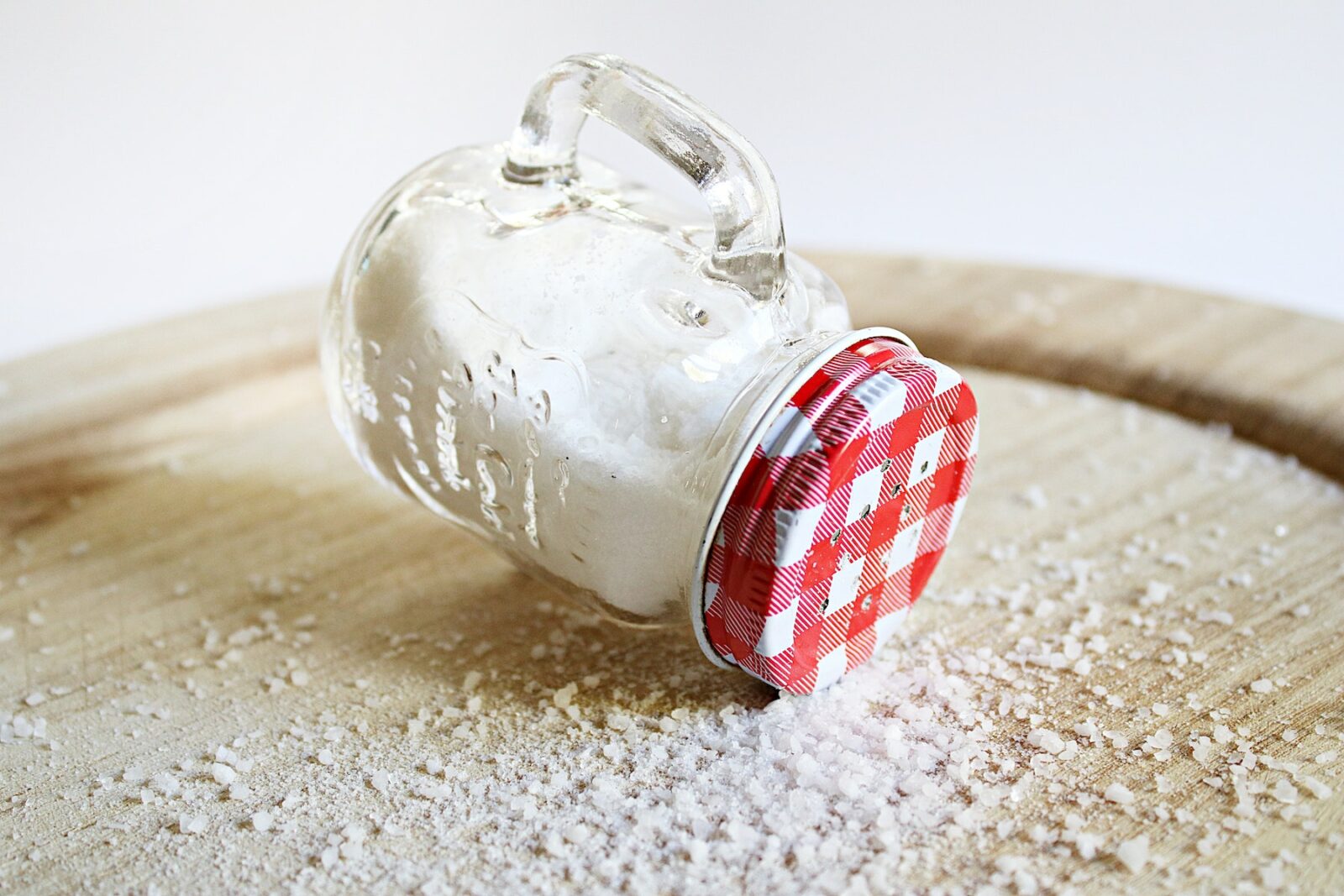
Hypertension affects approximately 30% of adults globally. While many individuals attempt to reduce their salt intake to lower their blood pressure, a more effective approach might involve incorporating these nutritious foods into their diet.
Hypertension affects around 30% of adults worldwide. While the common belief is that reducing salt intake can help lower blood pressure, recent research suggests that sugar may be the true culprit behind high blood pressure.
According to a meta-analysis of 12 trials published in The American Journal of Clinical Nutrition, a prolonged intake of sugar over two months or more could increase systolic blood pressure by an average of 6.9 mmHg and diastolic blood pressure by 5.6 mmHg.
One significant issue is the presence of fructose in soda beverages. Another analysis of six prospective cohort studies found that individuals who consumed the most sugar-sweetened beverages had a 12% higher risk of developing hypertension compared to those who consumed none. Furthermore, with each additional serving of sugared drinks, the risk increased by 8.2%.
Children are particularly vulnerable. In a study involving over 15,000 Iranian children and adolescents, those who consumed more than 90 ml (approximately one-third of a serving) per day had a 2.74-fold increase in the risk of hypertension.
Therefore, when it comes to managing blood pressure, the initial step should involve avoiding processed foods that are high in fructose.
The next crucial step is to incorporate the following 19 proven blood pressure-lowering foods into your diet:
- Chocolate: Numerous studies have shown that cocoa products can help reduce blood pressure. Dark chocolate, in particular, has been found to be more effective than a placebo, significantly lowering systolic and diastolic pressure.
- Olive Oil: Data from the SUN Project, a prospective cohort study in Spain, demonstrated that higher olive oil consumption was associated with a lower risk of hypertension among men.
- Beets: Beets contain dietary nitrates that significantly lower blood pressure. Studies have shown that consuming beetroot juice or nitrate-rich vegetables can reduce blood pressure and improve endothelial function.
- Garlic: Adding garlic to your diet can help reduce blood pressure. Meta-analyses have shown that garlic supplementation can lead to a significant decrease in both systolic and diastolic pressure.
- Watermelon: Watermelon consumption has been linked to lower blood pressure due to its high potassium content. It also contains lycopene, an antioxidant associated with heart health.
- Pomegranate Juice: Regular consumption of pomegranate juice has been shown to reduce systolic blood pressure and may help reduce the risk of atherosclerosis.
- Chokeberry Juice: Drinking chokeberry juice has been found to have a positive impact on blood pressure.
- Pistachio Nuts: Nuts, particularly pistachios, have been shown to lower blood pressure.
- Coconut Water: Drinking coconut water has been associated with significant drops in blood pressure.
- Flaxseeds: Flaxseeds, rich in omega-3 fats, lignans, and fiber, have been found to reduce blood pressure.
- Whole Grains: Diets rich in fiber, particularly from whole grains, may help lower blood pressure.
- Sesame Oil: Substituting regular cooking oil with sesame oil has been shown to bring blood pressure levels back to normal.
- Hibiscus Tea: Drinking hibiscus tea has been linked to significant reductions in blood pressure.
- Gazpacho Soup: Gazpacho soup, a cold vegetable soup, has been found to have positive effects on vascular function and blood pressure.
- Kiwi Fruit: Kiwi fruit consumption has been associated with lower blood pressure.
- Blueberries: Blueberries, known for their high antioxidant content, have been shown to have beneficial effects on vascular function and blood pressure.
- Concord Grapes: Concord grapes and their juice have been found to have a positive impact on blood pressure due to their high levels of polyphenols.
- Cinnamon: Taking two grams of cinnamon daily has been shown to significantly reduce blood pressure, especially in individuals with diabetes.
- Cardamom: In a study involving patients with stage one hypertension, the daily consumption of three grams of cardamom powder led to significant reductions in both systolic and diastolic blood pressure without any reported side effects.
Additionally, researchers credit the hypertensive benefits of fruits and vegetables to their phytochemical and potassium content. Studies have shown that individuals who consume higher amounts of fruits and vegetables have a lower risk of developing hypertension.
In conclusion, while reducing salt intake is commonly advised for managing blood pressure, it is important to consider the impact of sugar and incorporate a variety of healthy foods into the diet. Foods such as dark chocolate, olive oil, beets, garlic, watermelon, pomegranate juice, and a range of other fruits, nuts, and spices have been shown to have significant blood pressure-lowering effects. By making these dietary adjustments and adopting a wholesome approach, individuals can better manage their blood pressure and promote cardiovascular health.