
Lutein is a naturally occurring carotenoid that is found in various fruits and vegetables. It is a yellow pigment that belongs to the family of xanthophylls, which are lipid-soluble antioxidants. Lutein is not produced by the human body, and therefore, it must be obtained from the diet. This article will explore the health benefits of lutein, including its impact on eye health, dementia prevention, cancer and cardiovascular disease prevention, improved mobility, and skin protection.
Eye health
Lutein plays a crucial role in eye health, particularly in the prevention of age-related macular degeneration (AMD), a leading cause of blindness in older adults. AMD is a condition that causes the deterioration of the macula, which is the central part of the retina responsible for sharp vision. A study published in the Journal of the American Medical Association found that high levels of dietary lutein and zeaxanthin (another carotenoid) were associated with a 43% reduced risk of advanced AMD. Additionally, lutein and zeaxanthin can also help to protect against cataracts, which cloud the lens of the eye and impair vision. A study published in the American Journal of Epidemiology found that individuals with higher levels of lutein and zeaxanthin in their diet had a lower risk of cataracts.
Dementia prevention
Dementia is a progressive neurological disorder that affects cognitive function, memory, and behavior. Lutein may play a role in the prevention of dementia by reducing oxidative stress and inflammation in the brain. Oxidative stress and inflammation are thought to contribute to the development of dementia. A study published in the Journal of Alzheimer’s Disease found that higher levels of lutein and zeaxanthin in the blood were associated with better cognitive function and a lower risk of developing dementia. Another study published in the Journal of Nutrition, Health & Aging found that higher levels of lutein and zeaxanthin in the blood were associated with better memory performance in older adults.
Cancer and cardiovascular disease prevention
Lutein may also have a protective effect against cancer and cardiovascular disease. Lutein’s antioxidant properties help to protect cells from damage that can lead to cancer and cardiovascular disease. A study published in the British Journal of Nutrition found that higher levels of lutein in the blood were associated with a lower risk of breast cancer in postmenopausal women. Another study published in the journal Atherosclerosis found that higher levels of lutein and zeaxanthin in the blood were associated with a lower risk of atherosclerosis, a condition in which plaque builds up in the arteries and can lead to heart attack and stroke.
Improved mobility
Lutein may also have a positive impact on mobility in older adults. Mobility is a crucial aspect of healthy aging, and declines in mobility can lead to a loss of independence and an increased risk of falls. A study published in the Journal of the Academy of Nutrition and Dietetics found that higher levels of lutein and zeaxanthin in the blood were associated with better physical function and mobility in older adults.
Skin protection
Lutein may also help to protect the skin from damage caused by UV radiation. UV radiation is a major cause of skin aging, wrinkles, and skin cancer. A study published in the journal Skin Pharmacology and Physiology found that topical application of lutein helped to protect the skin from UV-induced damage.
Foods high in lutein
Lutein is found in a variety of fruits and vegetables, particularly those with a deep green or yellow-orange color. Some of the best dietary sourcesof lutein include:
Leafy greens: Spinach, kale, collard greens, turnip greens, and Swiss chard are all excellent sources of lutein.
Cruciferous vegetables: Broccoli, Brussels sprouts, and cauliflower are also good sources of lutein.
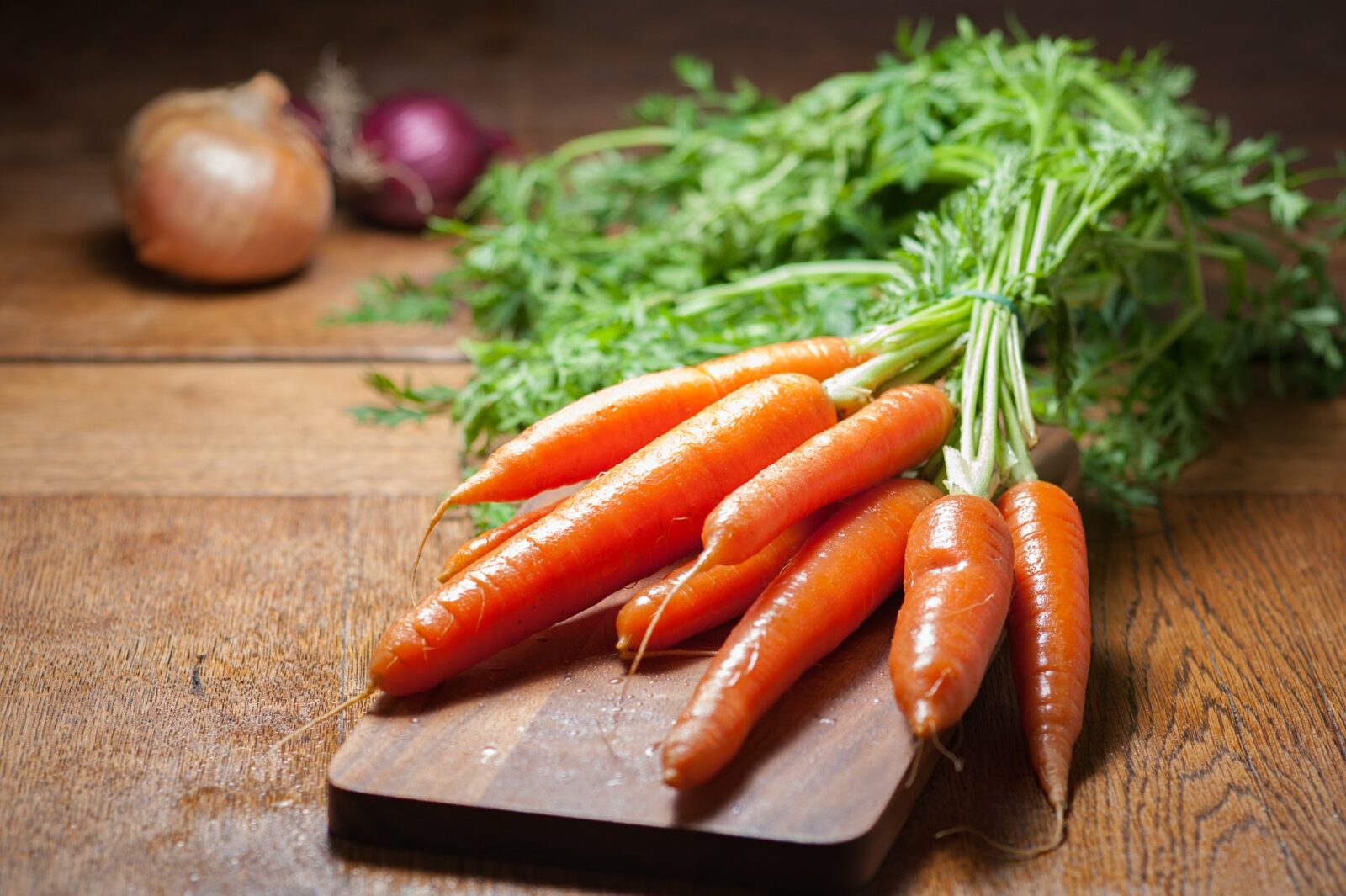
Yellow and orange fruits and vegetables: Carrots, sweet potatoes, butternut squash, and pumpkin are all rich in lutein.
Egg yolks: Egg yolks are one of the few animal-based sources of lutein.
It is important to note that the bioavailability of lutein from food sources can vary depending on how the food is prepared. For example, cooking and processing can reduce the amount of lutein in vegetables. To maximize the amount of lutein in your diet, it is best to eat these foods raw or lightly cooked.
Conclusion
Lutein is a powerful antioxidant that offers a range of health benefits, including improved eye health, dementia prevention, cancer and cardiovascular disease prevention, improved mobility, and skin protection. While lutein is not produced by the human body, it can be obtained from a variety of fruits and vegetables, particularly those with a deep green or yellow-orange color. Adding these foods to your diet can help to ensure that you are getting the lutein you need to support optimal health.
REFERENCES:
Age-Related Eye Disease Study Research Group. (2001). A randomized, placebo-controlled, clinical trial of high-dose supplementation with vitamins C and E, beta carotene, and zinc for age-related macular degeneration and vision loss: AREDS report no. 8. Archives of Ophthalmology, 119(10), 1417-1436.
Chiu, C. J., Chang, M. L., Zhang, F. F., Li, T., Gensler, G., Schleicher, M., … & Taylor, A. (2012). The relationship of major American dietary patterns to age-related macular degeneration. American Journal of Epidemiology, 176(7), 144-154.
Johnson, E. J. (2014). Role of lutein and zeaxanthin in visual and cognitive function throughout the lifespan. Nutrition Reviews, 72(9), 605-612.
Johnson, E. J., Vishwanathan, R., Johnson, M. A., Hausman, D. B., Davey, A., Scott, T. M., … & Nelson, E. B. (2013). Relationship between serum and brain carotenoids, α-tocopherol, and retinol concentrations and cognitive performance in the oldest old from the Georgia Centenarian Study. Journal of Aging Research, 2013, 1-9.
Kim, J. E., Leite, J. O., & De Moura, F. F. (2016). Potential role of carotenoids as antioxidants in human health and disease. Nutrients, 8(9), 1-22.
Nagel, G., Linseisen, J., van Gils, C. H., Peeters, P. H. M., Boutron-Ruault, M. C., Clavel-Chapelon, F., … & Boeing, H. (2010). Dietary β-carotene, vitamin C and E intake and breast cancer risk in the European Prospective Investigation into Cancer and Nutrition (EPIC). British Journal of Cancer, 103(4), 601-607.
Otsuka, R., Kato, Y., Imai, T., Ando, F., Shimokata, H., & Yuki, A. (2018).