
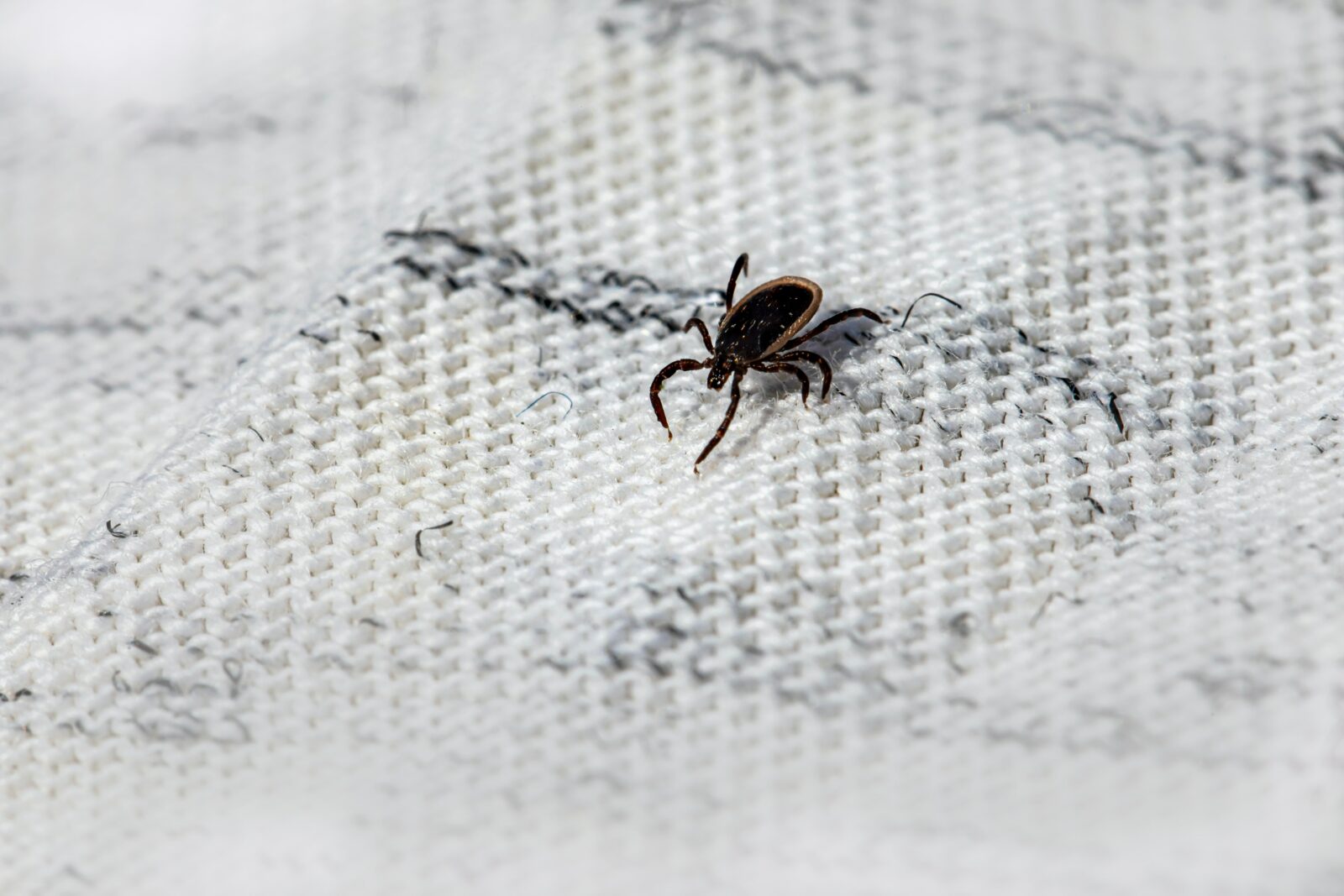
Ticks are tiny, 8-legged, spider-like bugs that can deliver debilitating diseases when they bite humans. They can transmit serious illnesses to humans because they feed on the blood of animals that can carry infectious diseases. Even though they are tiny, a tick bite can result in a wide array of neurological, physical, and psychiatric symptoms that can become fatal in some circumstances.
Known as vector-borne diseases, which means transmission from animal to animal or animal to humans, a total of 9 tick species in the United States transmit 16 different diseases to humans including Rocky Mountain spotted fever, ehrlichiosis, anaplasmosis, Powassan virus, and Lyme disease. Current research shows that having Lyme disease increases the risk not only for mental health issues but also suicide attempts, indicating that Lyme disease can have life-or-death consequences.
How do you contract lyme disease?
The blacklegged tick found throughout the eastern half of the country and the Western blacklegged tick along the Pacific coast carry the bacteria, Borrelia burgdorferi. This bacterium causes Lyme disease. The ticks are found in wooded areas, in leaf debris on the ground, and in tall grasses that can easily catch onto your clothing or skin. Sometimes your dog may bring them in. Once they have a host, ticks navigate to the warm, moist areas of the body and burrow into the skin to feed on blood.
People often don’t know that they’ve been bitten. They may not notice the tick or feel it. Many times, the tick leaves no sign they were there. If the tick is a carrier of the bacteria, it will infect you within 36-48 hours. Then, in as few as 3 days or as many as 30 or more, flu-like symptoms, along with a rash or swollen lymph nodes will start to develop, and eventually so can problems such as these:
- Racing heart or irregular heartbeat
- Inflammation of the brain and spinal cord, thereby affecting the central nervous system
- Facial palsy
- Limb and nerve pain
- Joint pain and swelling
- Gastrointestinal problems
Although treatment with antibiotics ASAP can usually alleviate symptoms, the blood tests for Lyme disease are challenging because the antibodies might not develop until a few weeks after infection. Furthermore, without knowing that you’ve been bitten by a tick and because the infectious bacteria can affect the brain, many of the symptoms mimic a host of other disorders, so the possibility of you having Lyme disease might be completely overlooked by a doctor.
The additional symptoms can resemble those of neurological disorders like:
- Traumatic brain injury
- Chronic fatigue syndrome
- Fibromyalgia
- Dementia
- Psychotic disorders (i.e. delusions, paranoia, and schizophrenia)
- Depression
- Anxiety disorders
- Bipolar disorder
- Explosive anger problems
- Obsessive-compulsive disorder
Suicidal thoughts and completed suicides
Researchers recently analyzed Denmark’s patient databases between 1994 and 2016. Their study was published in the American Journal of Psychiatry. They found that those with Lyme disease (more than 12,000 patients) had a considerably increased risk for mental health disorders and suicide attempts, compared to patients who did not have Lyme.
Another research paper that studied the link between tick-borne diseases, including Lyme, and suicide was published in Neuropsychiatric Disease and Treatment. The researchers hypothesized that the increased suicides were linked with the significant psychiatric and other symptoms from Lyme disease. They noted the dismissive attitudes of doctors, family, and friends that Lyme disease was the underlying cause.
Lyme bacteria can be difficult to diagnose
Lyme disease can be complex and difficult to detect because the Borrelia burgdorferi bacteria can be dormant for months or years in the central nervous system. Moreover, it is a type of pathogen known as a spirochete that can imbed itself in cell membranes, including those in the brain, making it even more elusive. However, the resulting inflammation and immune response affect multiple systems in the body and lead to many challenging mental and physical symptoms. Unfortunately, a long period of time may pass before symptoms begin making it difficult to determine that it began with a tick bite.
Protect yourself from tick bites
Most people enjoy spending time in the great outdoors. However, ticks are part of our natural world. Despite the havoc they can wreak on human health, they serve an important ecological purpose. Birds, lizards, frogs, and other critters eat them, while ticks feed on and spread diseases that kill sick or weakened animals to help control their populations.
So, ticks are necessary to our environment. Protecting yourself from them is the best course of action. In order to do this, it’s important to recognize and avoid potential tick habitats. If you plan on visiting an area that may be a haven for ticks, read up on and follow your state or local guidelines for the prevention of tick-borne illnesses.