
What is the DASH Diet?
The DASH Diet, which stands for Dietary Approaches to Stop Hypertension, is a dietary plan specifically designed to combat high blood pressure without medication. Initially developed by the National Heart, Lung, and Blood Institute (NHLBI) in the United States, the DASH diet has since been recognized for its broader health benefits, particularly in reducing the risk of heart disease, stroke, and certain cancers.
The core principle of the DASH diet revolves around an intake of foods rich in nutrients known to lower blood pressure, such as potassium, magnesium, and calcium, while limiting sodium, saturated fat, and sugar. It promotes a balanced diet that includes:
- Vegetables, Fruits, and Whole Grains: These form the bulk of the diet, providing essential vitamins, minerals, and fiber.
- Low-Fat Dairy Products: To ensure adequate calcium intake without the high saturated fat content found in full-fat dairy.
- Lean Proteins: Including fish, poultry, and legumes with an emphasis on plant-based proteins.
- Nuts, Seeds, and Legumes: As sources of healthy fats and additional protein.
- Limited Sweets, Sugary Beverages, and Red Meats: The diet advises moderation in these items to reduce intake of sugars and saturated fats.
Health Benefits of the DASH Diet
- Blood Pressure Reduction: The primary goal of the DASH diet is to manage hypertension. Studies, including the original DASH study, have shown that adherence to the diet can lower blood pressure significantly in just weeks, even without reducing sodium intake. When combined with lower sodium intake, the benefits are even more pronounced.
- Heart Health: By reducing blood pressure, the DASH diet also decreases the risk of heart disease. It’s low in cholesterol and saturated fats, which are known to contribute to heart disease. The diet also includes foods that enhance heart health, like omega-3 fatty acids from fish.
- Weight Management: The DASH diet is naturally lower in calories due to its focus on whole foods and can aid in weight loss or maintenance, which indirectly supports heart health and reduces the risk of type 2 diabetes.
- Cancer Prevention: The high intake of fruits and vegetables provides antioxidants and phytochemicals that may reduce cancer risk. Additionally, the diet’s emphasis on fiber might lower the risk of colorectal cancer.
- Diabetes Control: The DASH diet can improve insulin sensitivity and help manage blood sugar levels, crucial for people with or at risk for type 2 diabetes.
- Kidney Health: For those with kidney issues, particularly those associated with high blood pressure, the DASH diet can be beneficial by reducing the workload on the kidneys through lower blood pressure.
- Bone Health: The inclusion of calcium-rich foods like low-fat dairy helps in maintaining bone density, which is vital for preventing osteoporosis.
How to Follow the DASH Diet
Adopting the DASH diet involves several steps:
1. Understand Serving Sizes:
- Vegetables: 4-5 servings/day (1 serving = 1 cup raw leafy vegetable, 1/2 cup cooked)
- Fruits: 4-5 servings/day (1 serving = 1 medium fruit, 1/2 cup fresh, frozen, or canned fruit)
- Whole Grains: 6-8 servings/day (1 serving = 1 slice of bread, 1/2 cup cooked rice or pasta)
- Low-Fat Dairy: 2-3 servings/day (1 serving = 1 cup milk or yogurt, 1 1/2 oz cheese)
- Lean Meats, Poultry, and Fish: 6 or fewer servings/day (1 serving = 1 oz cooked meat, poultry, or fish)
- Nuts, Seeds, Legumes: 4-5 servings/week (1 serving = 1/3 cup nuts, 2 tbsp seeds, 1/2 cup cooked legumes)
- Fats and Oils: 2-3 servings/day (1 serving = 1 tsp soft margarine, 1 tbsp low-fat mayonnaise, 2 tbsp light salad dressing)
- Sweets: 5 or fewer servings/week (1 serving = 1 tbsp sugar, jelly, or jam, 1/2 cup sorbet)
2. Modify Your Sodium Intake:
- Standard DASH: Up to 2,300 mg of sodium per day.
- Lower Sodium DASH: Aims for no more than 1,500 mg daily, which further benefits blood pressure control.
3. Plan Your Meals:
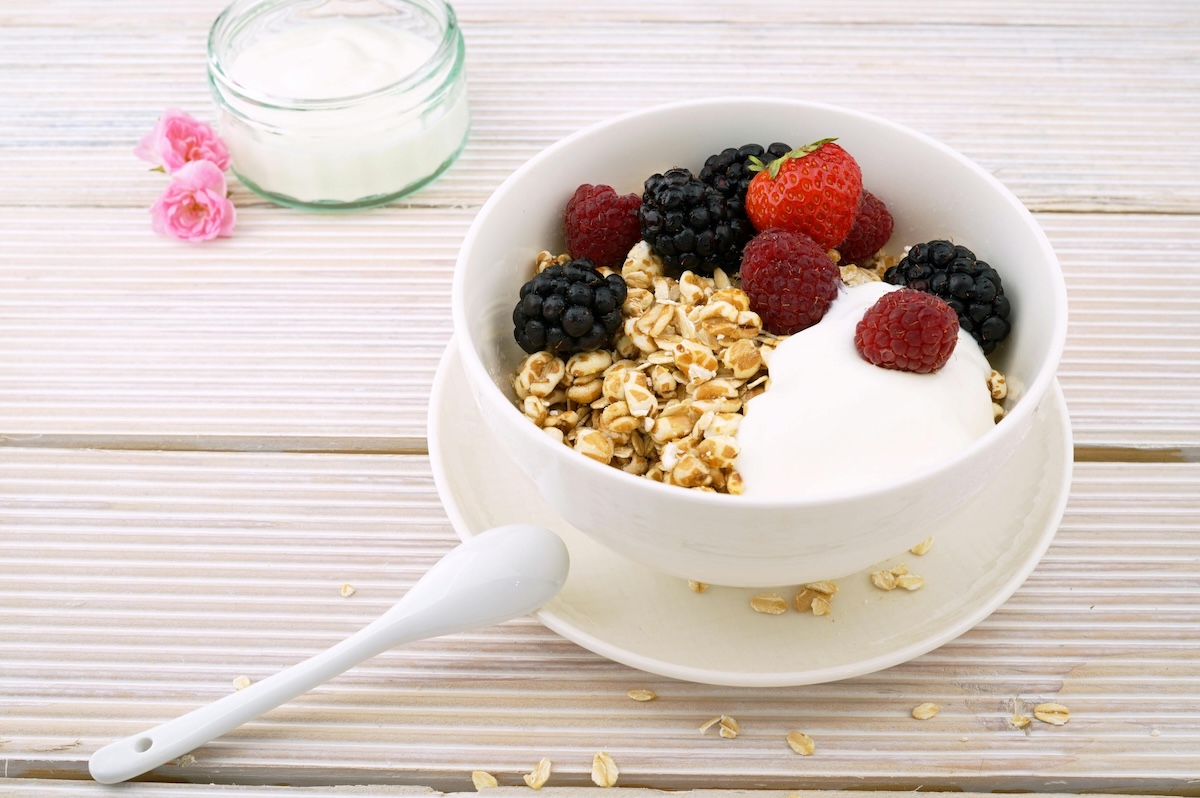
- Breakfast: Might include oatmeal with fresh berries and a side of low-fat yogurt.
- Lunch: A whole-grain wrap with lean turkey, lots of vegetables, and a light dressing.
- Dinner: Grilled salmon with a quinoa and vegetable salad.
- Snacks: Nuts, fruits, or raw vegetables with hummus.
4. Shop Smart:
- Buy fresh, frozen, or canned vegetables without added salt.
- Choose whole grains over refined grains.
- Opt for fresh or frozen fruits over those canned in syrup.
- Select lean cuts of meat and low-fat dairy products.
5. Cooking Tips:
- Use herbs and spices to flavor food instead of salt.
- Grill, bake, or steam rather than fry.
- Make your own salad dressings with olive oil and vinegar.
6. Lifestyle Adjustments:
- Combine the diet with regular physical activity for optimal health benefits.
- Manage stress, as it can indirectly affect blood pressure.
- Get adequate sleep, another factor in managing blood pressure and overall health.
7. Monitor and Adjust:
- Keep track of your blood pressure, weight, and how you feel. Adjust your diet if necessary, perhaps with guidance from a dietitian or healthcare provider.
8. Social Eating:
- Don’t feel isolated. The DASH diet principles can be adapted for social settings by choosing wisely from the menu or eating before you go out to control portions.
Final Thoughts
The DASH Diet is more than just a diet; it’s a lifestyle approach to health that has been scientifically validated to improve several aspects of health beyond just blood pressure control. It’s flexible, sustainable, and does not require special foods, making it practical for most people. By following the DASH diet, you’re not only working towards better blood pressure but also embracing a diet that supports overall health and well-being. Remember, like any lifestyle change, the key to success with the DASH diet lies in consistent implementation and possibly, professional guidance to tailor it to your specific health needs.