
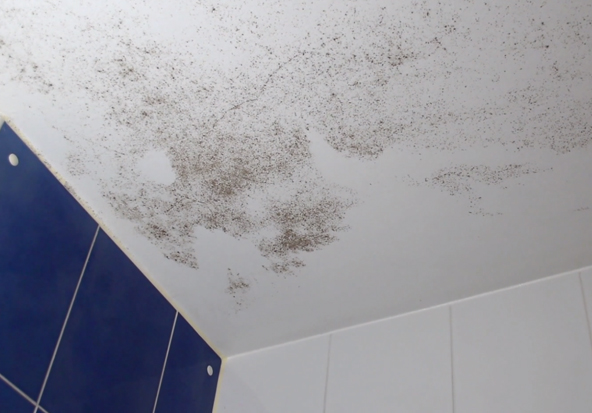
Mold in your home can have serious health implications, impacting various bodily systems and potentially causing long-term health issues. Here are 10 toxic ways mold can damage your health:
Respiratory Problems: Mold spores can trigger allergic reactions such as coughing, wheezing, sneezing, and nasal congestion. When mold spores are inhaled, they can irritate the respiratory system, leading to these symptoms. For individuals with asthma or respiratory conditions, mold can exacerbate symptoms and lead to difficulty breathing. Mold exposure can also increase the risk of developing respiratory infections. It’s important to address any mold issues in the home promptly to prevent respiratory problems.
Sinus Infections: Prolonged exposure to mold can irritate the nasal passages and sinus cavities, increasing the likelihood of developing sinus infections or chronic sinusitis. Mold spores can settle in the sinuses, leading to inflammation and infection. Chronic sinusitis can cause symptoms such as nasal congestion, facial pain, and headaches. If left untreated, it can lead to more serious complications, such as meningitis.
Allergic Reactions: Mold spores are allergens that can cause allergic reactions ranging from mild symptoms (itchy eyes, skin irritation) to more severe reactions such as hives and allergic rhinitis. Mold spores can trigger the immune system to overreact, leading to these symptoms. Some individuals may develop asthma or other respiratory conditions as a result of mold exposure. It’s important to identify and eliminate sources of mold in the home to prevent allergic reactions.
Skin Irritation: Contact with mold or mold-infested materials can lead to skin irritation, rashes, and dermatitis in sensitive individuals. Mold spores can cause skin irritation when they come into contact with the skin. Some individuals may be more sensitive to mold than others and may develop rashes or dermatitis. It’s important to avoid direct contact with mold and to wear protective clothing when cleaning or handling mold-infested materials.
Fatigue and Weakness: Mold exposure has been linked to general fatigue, weakness, and malaise, possibly due to the body’s immune response and the presence of mycotoxins (toxic substances produced by certain molds). Mold exposure can cause the immune system to work overtime, leading to fatigue and weakness. Mycotoxins produced by mold can also have toxic effects on the body, contributing to these symptoms. It’s important to address any mold issues in the home to prevent these symptoms.
Neurological Symptoms: Some studies suggest that mold exposure may contribute to neurological symptoms such as headaches, dizziness, difficulty concentrating, and memory problems. Mold exposure can affect the nervous system, leading to these symptoms. Mold spores can also produce mycotoxins that can have toxic effects on the brain. It’s important to address any mold issues in the home to prevent these symptoms.
Digestive Issues: Ingesting mold-contaminated food or inhaling mold spores can potentially lead to gastrointestinal issues such as nausea, vomiting, diarrhea, and abdominal pain. Mold spores can cause digestive problems when ingested or inhaled. Mold-contaminated food can also lead to food poisoning. It’s important to avoid eating mold-contaminated food and to address any mold issues in the home to prevent digestive problems.
Immune Suppression: Prolonged exposure to mold may weaken the immune system, making individuals more susceptible to infections and other illnesses. Mold exposure can cause the immune system to work overtime, leading to immune suppression. This can make individuals more susceptible to infections and other illnesses. It’s important to address any mold issues in the home to prevent immune suppression.
Fungal Infections: Certain types of mold can produce mycotoxins that are harmful to humans. Inhalation or ingestion of these mycotoxins can lead to fungal infections and serious health complications. Mold spores can cause fungal infections when they enter the body through the respiratory system or through the skin. Fungal infections can be serious and may require medical treatment. It’s important to address any mold issues in the home to prevent fungal infections.
Long-term Health Risks: Chronic exposure to mold has been associated with an increased risk of developing respiratory conditions such as asthma, bronchitis, and pneumonia. It may also contribute to the development of other chronic illnesses over time. Mold exposure can have long-term effects on the respiratory system and other bodily systems. It’s important to address any mold issues in the home to prevent long-term health risks.
It’s essential to address mold issues promptly by identifying and eliminating sources of moisture, improving ventilation, and seeking professional remediation if necessary to mitigate health risks associated with mold exposure. Mold can have serious health implications, and it’s important to take steps to prevent and address mold issues in the home.