
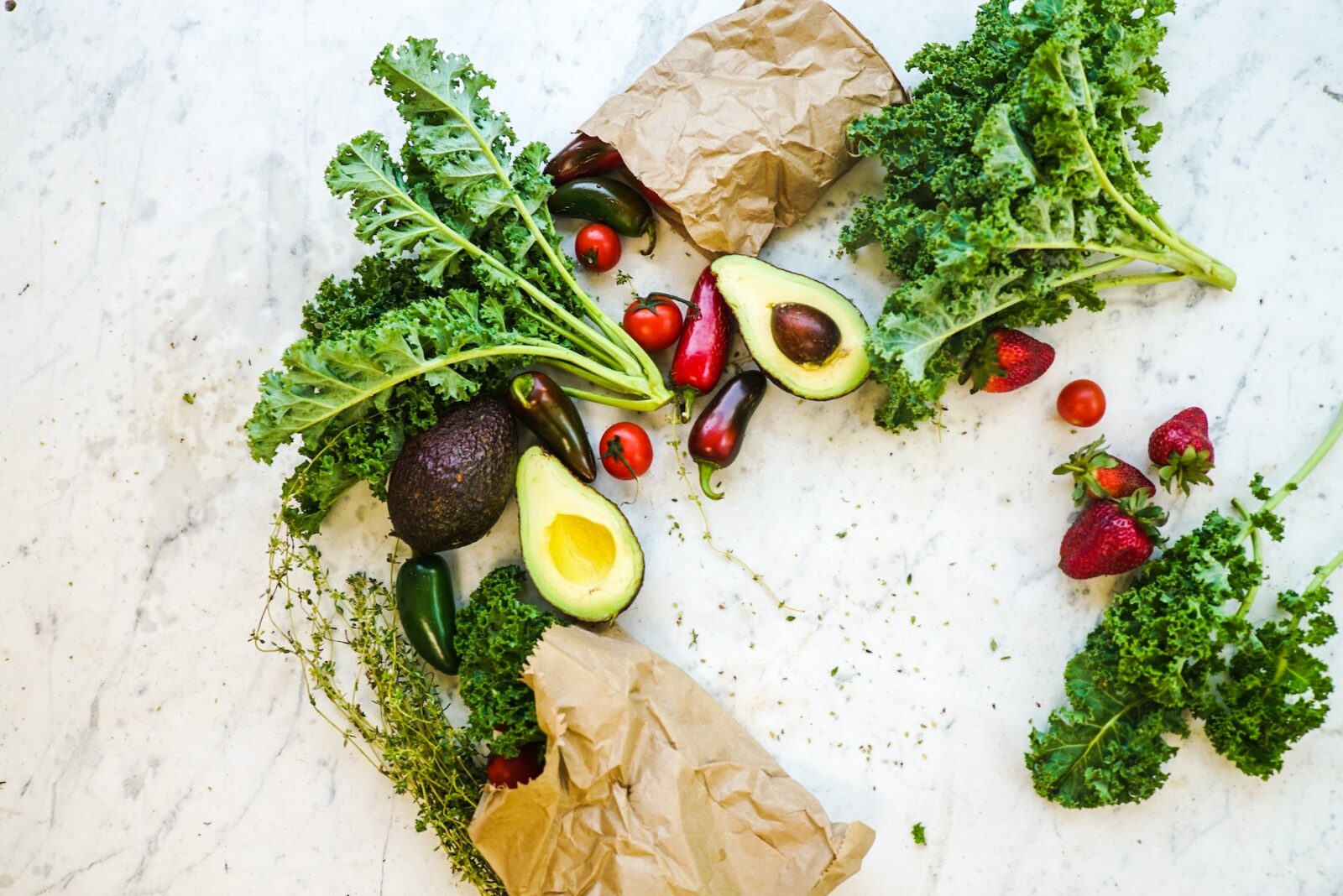
Incorporating an avocado into your daily diet might hold the key to maintaining good health by supplying your body with essential nutrients for your skin, brain, and heart, while also helping to prevent obesity and other health issues. Here are four advantages you can anticipate when you consume a single avocado on a daily basis.
Sometimes, the simplest things can have the most significant impact on your well-being. This certainly rings true for avocados. Partaking in just one of these tropical fruits, also known as alligator pears, each day, could enhance your skin and cognitive health, combat abdominal fat, and more.
Enriched with vitamins E and B6, along with a wealth of healthy fats, protein, carotenoids, and fiber, incorporating avocados into your diet on a regular basis provides your body with essential nutrients that many individuals lack. While it may seem overwhelming to completely transform your lifestyle for the sake of improved health, making minor yet meaningful adjustments can yield substantial results. Here’s what you can anticipate by introducing an avocado into your daily culinary routine.
4 Advantages of Consuming a Daily Avocado
More supple and elastic skin
Although avocados are technically fruits, their nutritional profile aligns more closely with vegetables. Their abundant monounsaturated fatty acids, including oleic acid, and phytochemicals like lutein, zeaxanthin, phytosterols, vitamins E and A, niacin, and folate, make them an exceptional source of nourishment with healing properties.
A group of researchers from the University of California Los Angeles and the David Geffen School of Medicine noted that the unique combination of carotenoids, lutein, zeaxanthin, and unsaturated fatty acids enhances the absorbability of carotenoids. These compounds are shown to concentrate on and benefit the skin. In a study involving 39 overweight women aged 27 to 73, those who consumed a daily avocado for eight weeks exhibited firmer, more elastic skin on their foreheads compared to those who didn’t include avocados in their diets.
The avocado’s carotenoids likely contributed to averting skin aging by stimulating fibroblast cells to produce collagen and elastin. Additionally, they exert anti-inflammatory effects and offer protection against ultraviolet light.
Enhanced cognitive well-being
Avocados serve as an excellent source of lutein, a carotenoid renowned for its role in vision health. It aids in filtering blue light and might possess antioxidant and anti-inflammatory properties. Lutein accumulates in the retina’s macular region, with levels in the retina correlating to brain lutein levels. These brain levels of lutein are associated with positive cognitive function measures.
An investigation involving older adults examined the impact of avocado consumption on cognition. Participants consumed one avocado, one potato, or one cup of chickpeas daily for six months. The avocado group experienced a 25% rise in lutein levels and increased macular pigment density (a brain lutein indicator), linked to enhanced working memory and more effective problem-solving.
The avocado consumers also demonstrated improved sustained attention. The researchers concluded that integrating avocados into dietary recommendations could be beneficial for cognitive health. Intriguingly, a medium avocado contains a mere 0.5 milligrams of lutein, yet it effectively increased lutein levels—potentially due to its highly bioavailable form.
The research team previously examined higher-dose lutein supplementation (12 mg/day), which was less effective at boosting macular pigment density compared to avocados. This suggests that other avocado components, particularly monounsaturated fatty acids, play a pivotal role in enriching neural lutein levels.
Reduced abdominal fat
Regular avocado consumption is associated with diminished abdominal obesity, decreased weight gain, and a lower likelihood of being overweight or obese.
In a study encompassing 105 adults who either ate a daily avocado-inclusive meal or a similar meal without avocados for 12 weeks, women consuming avocados experienced a more substantial reduction in visceral adipose tissue (VAT) and the VAT-to-subcutaneous abdominal adipose tissue ratio (VS ratio). These favorable changes suggest a lowered risk of associated diseases.
Accumulation of VAT around internal organs, like the liver, is linked to type 2 diabetes, inflammation, dyslipidemia, increased thrombosis risk, and nonalcoholic fatty liver disease. The decrease in VS ratio among participants consuming avocados hints at a beneficial abdominal fat profile.
For context, incorporating a daily avocado for 12 weeks led to approximately 5% less VAT among women. Notably, a 26% VAT reduction over 12 months has previously correlated with improvements in cardiorespiratory fitness, inflammation, lipid profiles, and glucose tolerance.
The researchers speculate that maintaining daily avocado consumption over a more extended period could yield clinically significant cumulative reductions in VAT.
Heart health boost
Adopting a heart-healthy diet that incorporates a daily avocado over a five-week period yielded positive effects on heart health markers. This included reduced levels of circulating oxidized LDL (low-density lipoprotein) in overweight and obese adults.
Elevated levels of oxidized LDL are a risk factor for heart disease. Consuming a daily avocado was also linked to a decrease in small, dense LDL particles that are prone to oxidation and are associated with an increased heart disease risk.
Over the five-week period, a daily avocado intake led to an 8.8% reduction in plasma oxidized LDL and an increase in plasma lutein concentrations. The researchers concluded that these benefits stem from bioactive compounds present in avocados beyond their fatty acid content.
Further reasons to include avocados in your diet
Exploring our avocado research database reveals potential benefits for 46 diseases, ranging from psoriasis and osteoarthritis to breast cancer and colitis. With a catalog of 35 known pharmacological actions—such as antifungal, hypoglycemic, and antiulcer properties—avocados stand as a delectable treat you can indulge in with a sense of well-being.
Whether incorporated into smoothies, enjoyed alongside eggs for breakfast, or transformed into guacamole, be sure to make avocados a regular feature in your menu.