
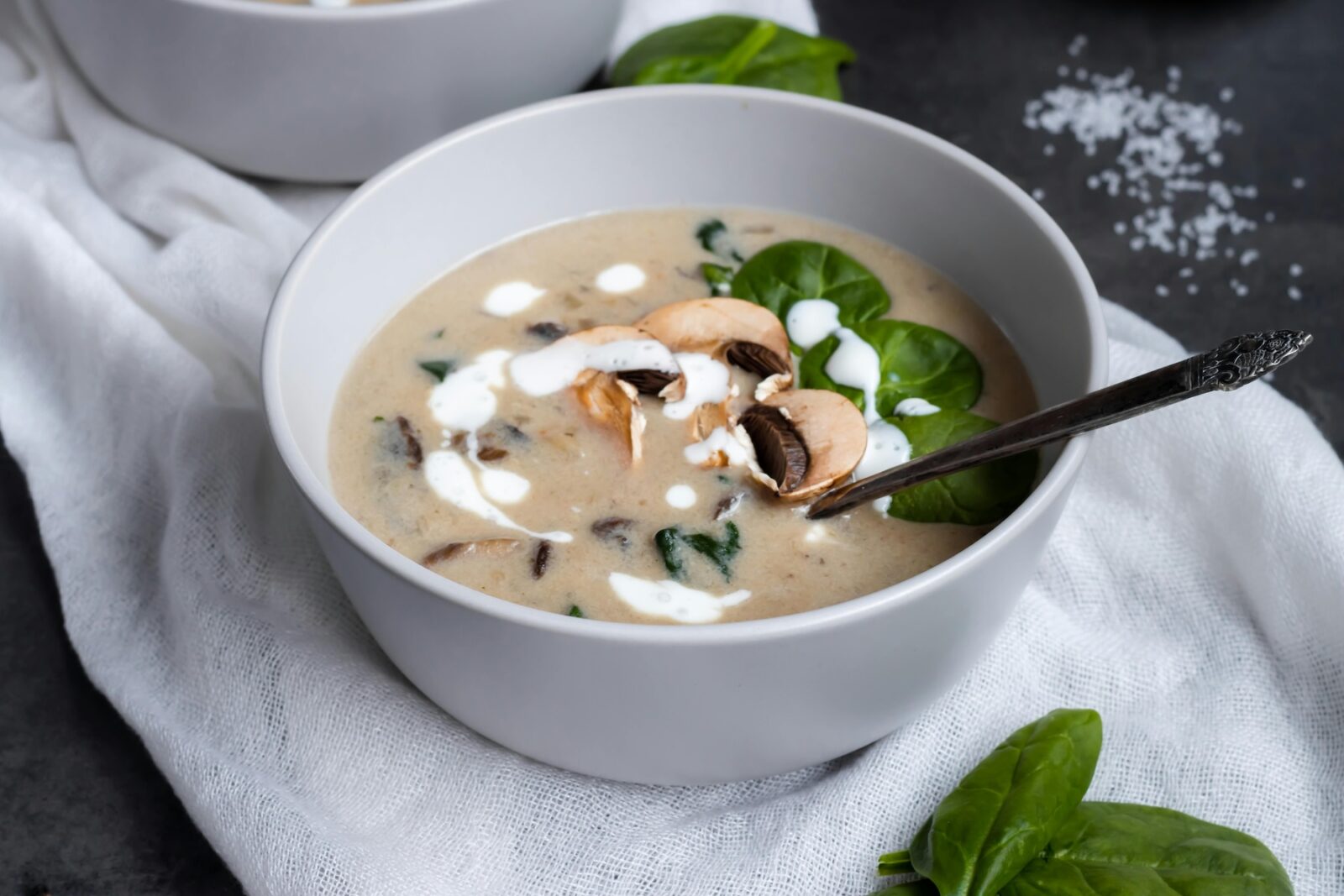
Mushrooms occupy a unique biological category, distinct from both plants and animals. These fascinating fungal entities include varieties that are psychedelic, while others are lethal. Historically, many civilizations viewed even the edible types with suspicion.
Conversely, in China, mushrooms were rapidly adopted. Among these, shiitake mushrooms hold significant cultural value, having been a cherished culinary and medicinal resource in Asia for over two millennia. The esteem for shiitake, particularly for its health benefits, persists today.
The term “shiitake” is Japanese, named after the shii oak tree, a common host for this fungus. In China, it’s known as xiang gu (fragrant mushroom) and hua gu (flower mushroom). Initially exclusive to royalty, the development of cultivation techniques in China made shiitake more widely available. Presently, shiitake ranks as the world’s second most consumed mushroom, following the common button mushroom.
Nutrition
In terms of nutrition, shiitake surpasses the more common white mushroom. Renowned for their rich, umami flavor, shiitakes are also nutritionally dense. They are an excellent source of B vitamins, protein, and notably, the most bioavailable non-animal source of iron. Additionally, they contain vital minerals like selenium and zinc.
Shiitakes are inherently high in vitamin D, but one mycologist has pioneered a method to significantly boost their vitamin D2 content. By drying the mushroom caps with their gills exposed to direct sunlight, he demonstrated that vitamin D2 levels can surge by over 400 times within just two days.
While fresh shiitakes are available in some Asian and specialty stores, dried shiitakes are more common. Many prefer the dried form, believing it concentrates both flavor and healthful properties. To rehydrate, the caps and stems should be soaked separately for 24 hours, or less for pre-sliced pieces. The tough stems are discarded, but the soaking liquid makes an excellent broth base. For quicker preparation, soaking in hot water for 30 minutes is possible, though this can reduce flavor and leave the mushrooms chewy.
Shiitakes are versatile in cooking, suitable for soups, stir-fries, omelets, and pizzas. It’s important to cook them thoroughly, as raw or undercooked shiitakes can cause skin rashes in some people.
Shiitake broth is particularly beneficial and an excellent vegetarian alternative to bone broth, offering a unique and nourishing experience.
Health Benefits
In the early 17th century, Wu Rui, a prominent doctor from the Ming Dynasty, highlighted the health benefits of shiitake mushrooms. He claimed they boosted energy, alleviated hunger, remedied colds, and enhanced blood circulation.
In contemporary times, shiitake mushrooms are employed in the treatment of various health issues, including cancer, chronic fatigue syndrome, HIV, recurring respiratory infections, candida, and high cholesterol. While shiitake, or its components, have undergone considerable scientific investigation, the results are still in the early stages. Animal studies have yielded promising outcomes, but human trials have been limited and small-scale.
Two specific shiitake derivatives have garnered significant scientific interest: Lentinula edodes mycelia extract (commonly known as LEM) and lentinan. These compounds have shown potential in preventing and reducing tumors, bolstering immune responses, and exhibiting antiviral effects.
In Japan, a pioneer in shiitake research, both lentinan and LEM are utilized to mitigate the harsh side effects of chemotherapy and radiation therapy. Since 1985, lentinan has been officially sanctioned in Japan as a supplementary treatment for stomach cancer and is frequently chosen by women undergoing breast cancer treatment.
LEM, in particular, is recommended for individuals living with HIV. Research indicates that it can halt viral replication, strengthen immune cells, and safeguard the liver.
However, it’s important to note that these benefits pertain to concentrated medicinal doses, not simply consuming the mushrooms as food. Consuming shiitake for medicinal purposes would require such large quantities that it might lead to gastrointestinal discomfort.
Fortunately, shiitake supplements are readily accessible online or at health food stores. Hobbs notes on his website that the global demand for mushroom-based medicines exceeds $1.2 billion.
Spicy Shiitake and Noodle Soup Recipe
This soup is a delightful treat, perfect for warming up on chilly days. Infused with flavors of garlic, ginger, and a hint of chili, it’s a heartwarming blend that stimulates the senses.
Ingredients:
- 1 tablespoon of coconut oil or butter
- 1 medium onion, finely diced
- 3 garlic cloves, minced
- 1 tablespoon freshly grated ginger
- 8 fresh or rehydrated shiitake mushrooms, sliced into thin strips
- 1 carrot, chopped
- 2 thyme sprigs
- 1/2 teaspoon chili flakes
- 1/4 teaspoon freshly cracked black pepper
- Sea salt, to taste
- 4 cups of liquid (vegetable broth or a combination of water and mushroom soaking liquid if using dried shiitakes)
- 1 strip of wakame seaweed (optional)
- 3 ounces udon noodles (thick wheat noodles)
- 1/2 cup chopped fresh parsley
- Juice and zest of one lemon
Instructions:
- Heat coconut oil or butter in a large saucepan. Add onion, garlic, ginger, carrot, and shiitake mushrooms. Sauté over medium heat until the vegetables are tender.
- Stir in thyme sprigs, chili flakes, black pepper, and sea salt. Cook for another minute.
- Pour in the liquid and add the wakame seaweed. Increase the heat to bring the soup to a near boil, then reduce to a low simmer and cover for 20 minutes.
- While the soup simmers, prepare the udon noodles as per the package instructions, aiming for a slightly firmer texture. Drain the noodles.
- Add the noodles to the soup, and turn off the heat. Cover the pot and let it sit until the noodles are fully softened, about 2 minutes.
- Remove and discard the wakame and thyme sprigs.
- Serve the soup in bowls, garnishing each with chopped parsley, a sprinkle of lemon zest, and a dash of lemon juice. Enjoy hot.