
Urinary tract and bladder infections (cystitis) are common. More than 50% of all adults will experience one infection at some point, and close to 20% of all women will have some urinary or bladder condition each year. Nearly 20% of all women will have a recurrence within 6 months of a bladder infection.
Bladder and kidney infections are both types of urinary tract infections. You can take a natural approach to prevent an infection. However, a kidney infection will need antibiotic treatment. A mild, common bladder infection can respond well to natural therapies. This can help avoid the overuse of antibiotics, which can negatively impact your gut and microbiome.
Bladder infection symptoms
The most common symptoms of a bladder infection are frequent and sometimes painful urination, urgently needing to urinate, aching, cramping, or pressure above the pubic bone, and feeling tired, unwell, or low energy. There may be blood in your urine, which happens to around 40% of women with a bladder infection.
An untreated bladder infection can progress to a serious kidney infection. It is wise to address a bladder infection immediately.
Symptoms in a bladder infection occur rather suddenly and typically without a fever. Symptoms in a kidney infection are more gradual with fever, chills, nausea, and lower back pain. Antibiotics are important for kidney infections, but bladder infections in healthy adult women who are not pregnant can often be treated naturally.
In young, sexually active women, sudden onset of painful urination can also be due to chlamydia infection, or more rarely gonorrhea, so it’s important to check with your doctor and get a urine culture.
Vaginal yeast infections can also cause irritation of the urethra, leading to bladder-infection-like symptoms. If you have symptoms of a vaginal infection such as itching, burning, thick or odorous vaginal discharge, you may want to consider getting a urine and vaginal culture done.
In preventing and treating a UTI, the primary objectives are:
- Support your body’s natural defenses against an infection
- Promote bladder pH that is inhospitable to harmful bacteria
- Restore microbiome balance and health
- Prevent bacteria from attaching to the wall of the bladder
A natural approach to bladder infections
Nutritional and herbal remedies can be effective alternatives to antibiotics for treating bladder infections and preventing their recurrence. They can help kill off harmful bacteria, reduce inflammation and irritation in the urinary tract, restore healthy flora in the vagina and gut, and boost immunity.
Try the steps below and follow each of them exactly. Don’t skip any part unless you know there is something you can’t tolerate.
Typically, symptoms begin to improve after 12 to 24 hours. However, they may initially worsen slightly during the first few hours of treatment. Symptoms should be significantly better in 24-72 hours, with complete resolution in 5 days. Because of the high recurrence rate of UTIs, follow the plan for a week. Follow it for an additional week to prevent a recurrence.
Do not follow this plan if you are pregnant. Check with your doctor.
General and Dietary Treatment
- Cut out all sugar in your diet for 5 days
- Drink 6 to 8 – 8 oz. glasses of water each day
- Urinate at first urge – don’t hold your urine!
- Avoid sex during treatment and for a few days after
Nutritional supplements for bladder infections
- Take 4 probiotic capsules daily for 2 days, then 2 capsules daily for 5 days. The probiotic should contain Lactobacillus species, and if you have a vaginal infection as well, make sure it also contains Lactobacillus reuteri and rhamnosus.
- Take 1000 mg. vitamin C every 4 hours for 2 days, then 500 mg. every 4 hours for 5 additional days
Herbal remedies for bladder infections
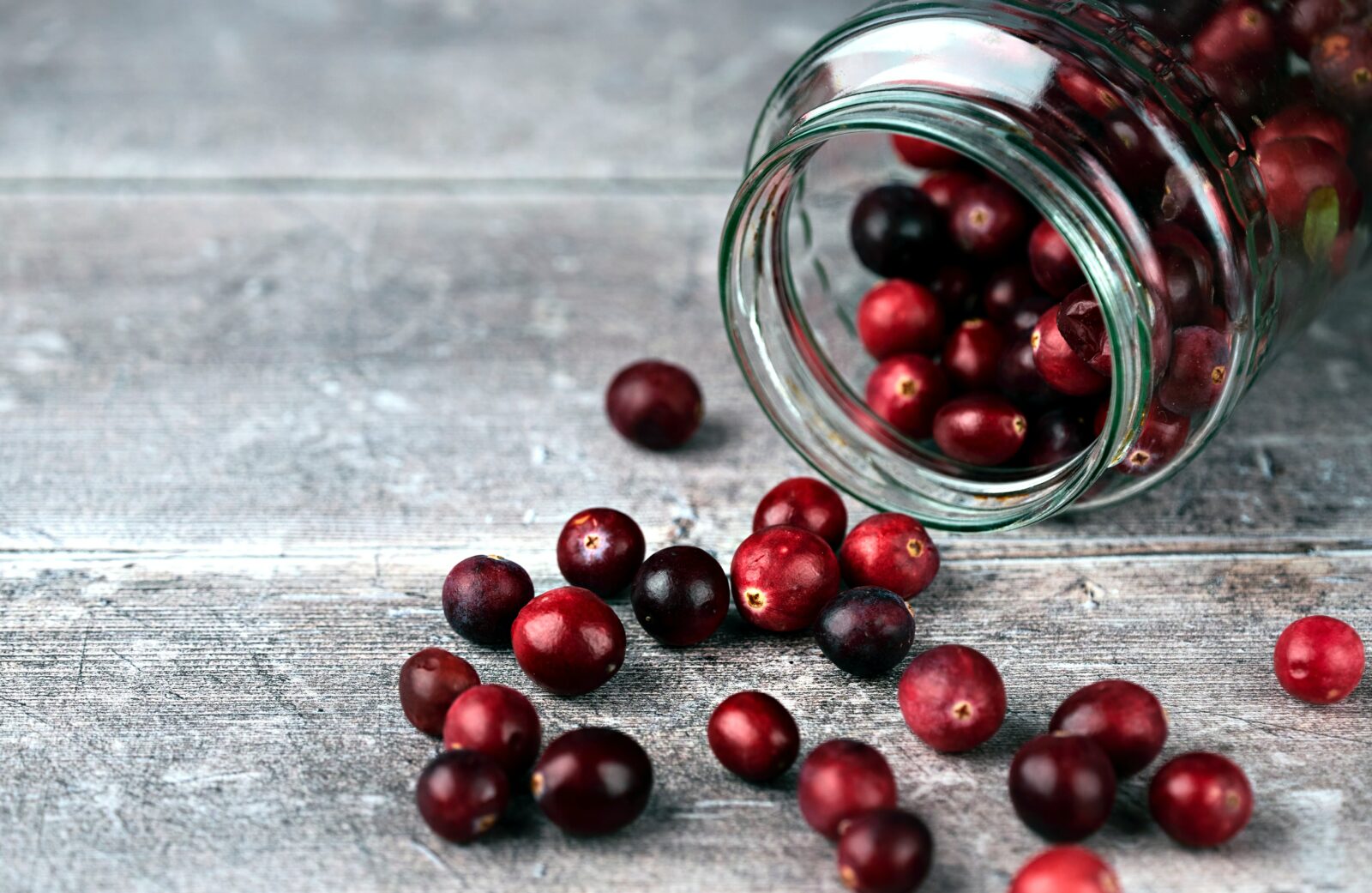
Drink 8 oz. of cranberry juice every 4 hours for 3-5 days, then 16 oz/day for a week, or take Cranberry-d-mannose, 2 capsules twice daily, or if powder, 1 tsp. twice daily for 1 week, or take cranberry extract capsules 400 mg. every 2 hours for 48 hours, and then every 4 hours for 5 days
Herbal infusions are very effective for bladder infections because they flush through the urinary tract. You can try a mix of uva ursi leaf, yarrow blossoms, and marshmallow root taken hot or cold. Make it fresh and don’t keep it for over 2 days. Or you can check your local health food store for a variety of cranberry and herbal supplements designed to address bladder infections. Take these products as directed on the package but take every 2 hours for the first 24 hours, then every 4 hours for the next 5 days.
If you are having cramping bladder pain, you can try 30 drops of cramp bark tincture plus 30 drops of wild yam tincture every 2-4 hours for the first 24 hours, and reduce to every 4-6 hours for the next 24 hours.
When to see your doctor for an antibiotic
Natural self-care is vital to your overall wellbeing. Still, there are times when you may need an antibiotic. If you are experiencing fever, chills, and lower back pain, this is indicative of a kidney infection. See your doctor right away. Antibiotics are appropriate in these cases. If you are pregnant and have a kidney infection, antibiotics – and sometimes even hospitalization for IV antibiotic treatment — may be appropriate. If you are pregnant and have a bladder infection, check with your obstetrician before using a natural therapy approach. A short course of antibiotics may be appropriate to avoid the risk of preterm labor or the development of kidney infection, both of which can occur in pregnancy due to UTI.
For young girls (under 10 years old) with urinary tract infections, and when there is a kidney infection in any woman at any age, antibiotics are considered appropriate.
If you do require an antibiotic, take it along with a daily probiotic as discussed above for UTI treatment, and then continue the probiotic for 3 months after, along with starting the protocol above for UTI recurrence prevention.