
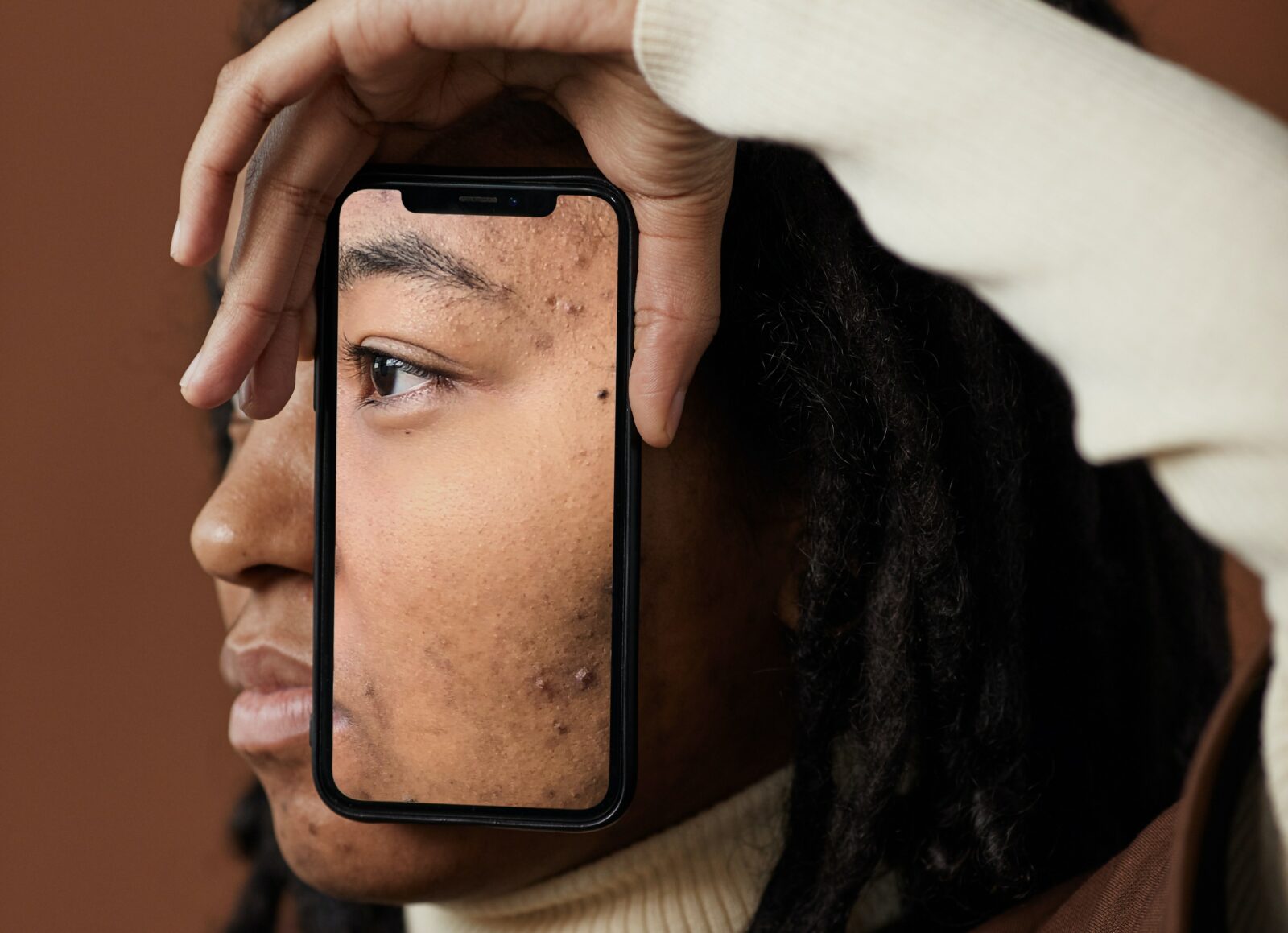
Adults with acne are a growing phenomenon. Sometimes called postadolescent acne, it can occur with irritating frequency into your 40s. And mask wearing due to COVID-19 protocols made it worse. Moderate to severe acne can cause a lot of stress. Some people are so distressed by it, they skip work or school and pass on social occasions. It can lead to depression. Even mild outbreaks can cause stress if one places a particularly high value on appearance.
The marketplace offers a wide array of options for treating acne, from medications to topical OTC treatments. Many of them dry out your skin. But studies offer insights into the underlying causes of acne, especially hormonal acne in adult women. It is possible to address these underlying causes with natural supports. This includes understanding and addressing our detoxification pathways, inflammation, diet, and lifestyle choices.
While this is a long-term solution and not always a replacement for medical treatments, this approach can be very effective for women with hormonal acne. It is an integrative approach that can result in fewer medications and provide lasting relief. Let’s take a deeper look at the underlying causes of hormonal acne and the steps you can follow to help clear it up.
The underlying causes of hormonal acne
Although hormonal acne is common, research still has yet to pinpoint the exact cause. But the medical literature does offer many insights that we can act upon. These are the prime factors scientists believe cause or contribute to hormonal acne.
Androgens
Hormonal acne is linked to monthly hormonal fluctuations. Over 80% of women with acne experience a premenstrual outbreak. Androgens are a class of hormones that include testosterone, which women produce in smaller amounts than men. Some women are more sensitive to normal amounts or produce excess testosterone. One hypothesis is that increased androgen production premenstrually causes increased sebum production leading to acne. Women with elevated testosterone have a higher rate of converting testosterone to a more potent androgen, dihydrotestosterone (DHT), which is associated with sebum production and thus acne. Even women with normal androgen levels can have androgen-caused acne due to increased androgen sensitivity. The most common cause of elevated androgens or heightened androgen sensitivity is Polycystic Ovary Syndrome (PCOS), which many women don’t know they have.
Several factors can lead to increased androgen production or sensitivity such as high estrogen levels, stress, and insulin resistance. Each of these conditions leads the body to convert estrogen into higher levels of testosterone.
In addition, an imbalance of high estrogen and low progesterone may contribute to hormonal acne. Progesterone is naturally produced in the ovary after ovulation and has an inhibitory effect on DHT. When estrogen is high, progesterone is less able to inhibit DHT, leading to more DHT activity in the skin, and acne as a result.
Skin changes during the menstrual cycle
Your pores become narrower just prior to your period. Along with increased sebum production, this may lead to an environment that causes acne, surrounding inflammation, and bacterial growth.
Diet
Most dermatologists will insist that there is no connection between what you eat and acne. The medical literature says otherwise. Low consumption of fruit, vegetables, and fish (for omega-3 fatty acids) are linked to a higher risk of acne. Insulin resistance and a diet high in refined carbohydrates and sugary sodas are also linked to acne.
Inflammation
Inflammation occurs naturally as a mechanism that protects us from injury. It is also naturally heightened premenstrually as part of the process by which your body sheds the uterine lining. But excess inflammation due to a variety of factors including diet, gut imbalances, environmental toxins, and chronic stress, can trigger – and worsen – acne. Higher than normal levels of inflammation also play a role in PMS and period pain.
Cosmetic products
Acne is linked to the regular use of certain hair and skin products, which may block follicles. In addition, your skin has a microbiome that is influenced by the inside and outside environment. Topical products may interfere with your naturally occurring skin microflora, altering your skin’s natural pH balance and leading to the growth of bacteria that are commonly found in sebum-rich areas of the skin and associated with acne.
Environmental Factors
Our environment is heavily laden with endocrine disrupting chemicals that alter our hormonal balance. These include pesticides, herbicides, phthalates, and BPA. Our medications, like antibiotics and hormonal birth control, can also disrupt our gut microbiome and its ability to metabolize our hormones, which elevates the factors that can result in acne.
Stress
Several studies have shown that there is a link between stress and acne. A 2017 study showed that female medical students had an increase in acne severity during times of heightened stress. High levels of psychological stress actually increase androgen production, insulin resistance, and inflammation. Acne can worsen by the adrenal hormone dehydroepiandrosterone sulfate (DHEA-S, which is meant to be a buffer to stress but also acts similarly to testosterone and DHT in the body.
What’s worse is that having an acne outbreak can cause even more stress for women. Reducing stress is key to help break the vicious cycle.
How to treat hormonal acne with natural supports
Balancing your hormones is a crucial step to treating acne naturally. This approach supports your body’s natural ability to balance hormones. It reduces inflammation through changes in diet and environment, and it supports your body’s natural detoxification process.
Step 1: Remove endocrine disruptors
Take a close inventory of your home to identify endocrine disruptors that may contribute to hormonal imbalance.
Change your skincare products to natural, fragrance-free products. Check the EWG Skin Deep Cosmetic Database for specific ingredients. Begin by switching out the products that go on the largest surface of your skin such as soap, shampoo, lotions, and sunscreen.
Consider using less make-up or none at all. Cleanse at the end of the day using a cleanser with only clean, gentle ingredients. Wear a good quality, organic sunscreen because UV light can cause an acne flare.
Reduce your exposure to the toxins in our food system by choosing organic produce over conventionally grown whenever possible and always for meats, eggs, and dairy. Also don’t store food in plastic containers and drink only out of glass or stainless steel water bottles – never plastic ones.
Step 2: Support gut health
GI symptoms (including bloating and constipation) are 37% more likely for those with acne – and may play a role in acne in many more women than that.
Your gut health is central to hormone balance. This occurs through certain bacteria in the gut that keep estrogen in balance. When your microbiome is out of balance (dysbiosis), it no longer performs its hormone-regulating functions properly, and acne can result. In addition, microbiome disruptions and a leaky gut can lead to inflammation and insulin resistance, which can cause acne.
For a healthier gut microbiome, eat a diet rich in fiber by getting 8 servings of veggies daily, along with whole grains and legumes several times weekly. Add a small serving daily of lacto-fermented foods including sauerkraut, kimchi, cashew, or coconut yogurt. For extra support, or more moderate to severe acne, consider also taking a probiotic with Lactobacillus rhamnosus GG – 3 billion CFU/day orally for 12 weeks, which has been shown to improve adult acne by modulating insulin signaling in the skin.
Step 3. Support natural detoxification
Your liver is part of an intricate detoxification system that helps keep your hormones in balance. It is also crucial to eliminating waste and excess hormones. To support liver health, eat bitter leafy greens like kale and dandelion greens in small servings on a daily basis. You can also add bitter herbs (dandelion root, yellow dock root, burdock root, artichoke, milk thistle, and Oregon grape root) by adding several drops of tincture in sparkling water. These herbs can support the liver in detoxification, taking the burden off of the skin, which is your body’s largest detoxification organ.
Step 4. Eat for skin health
The goals of eating for skin health are to
- balance your blood sugar
- reduce insulin resistance,
- eliminate excess inflammation
- supply your body with the nutrients and important phytochemicals
A Mediterranean-style diet is best for achieving this. It emphasizes plenty of daily whole fresh foods, vegetables, fruits (especially berries which are loaded with phytochemicals), balanced amounts of protein from fish and legumes, and healthy fats like those in fish, olive oil, and avocados, and slow-burning carbs from whole grains.
Make sure to get 8 daily servings of produce daily. Emphasize foods rich in Vitamin A. This nutrient plays an important role in skin health. The two forms of vitamin A available in the diet are preformed vitamin A (retinol and its esterified form, retinyl ester) and provitamin A carotenoids. Preformed vitamin A is found in foods from animal sources, including fish, eggs, and meat. The most important provitamin A carotenoid is beta-carotene, found most abundantly in sweet potatoes, carrots, broccoli, spinach, cantaloupe, squash, and apricots.
Low omega 3 consumption and a high omega 6 to omega 3 ratio is linked with hormonal acne and inflammation. You can reduce your omega 6’s by eliminating vegetable oils from your diet other than olive oil, and increase your omega 3’s by eating omega-3 rich fish like salmon and sardines 3 times weekly. Add chia, flax seeds, or walnuts to your diet. If you prefer not to consume fish, add a high-quality omega 3 supplement to your diet.
Low levels of selenium, vitamin A, vitamin D, vitamin E, and zinc are linked with acne and acne severity, while Vitamin B6 (pyridoxine) is helpful for premenstrual acne. It’s best to derive your vitamins and minerals from high quality whole foods, but a supplement can help ensure that you get the amounts your body needs.
High-glycemic-index foods and insulin resistance are not just very inflammatory, they are scientifically and clinically identified factors in acne. Eliminate refined sugar, empty carbs (pasta, muffins, donuts), and soft drinks – which are among the worst culprits. Emphasize whole grains, legumes, fish, nuts and seeds, and vegetables to balance your blood sugar. This reduces inflammation and can reverse insulin resistance – improving acne in doing so.
One meta-analysis found an especially strong connection between acne and milk consumption, including milk, whole milk, low-fat, and skim milk consumption but not yogurt intake. Dairy products may contribute to acne, likely due to the growth factors and hormones inherent in dairy products and insulin-triggering effects of dairy consumption.
Step 5. Address the stress
Take time to intentionally reduce stress every day by taking some time to pause, breathe, relax, and do some self-care. You can do this by following any of the below tips:
- Exercise – good for circulation, inflammation, insulin resistance, hormone balance, and stress – a complete healing package
- Time in nature – walk, sit, breathe, listen
- Meditation – even if just 15 minutes, 1-2 times a day
- Getting better sleep – hit the pillow 30 minutes earlier than usual, and no electronic devices before bed
- Yoga – down dog your way to calm and peace; yoga has also been shown to help with hormone problems.
- Journaling – 15 minutes a day has been shown not only to be relaxing, but to heal trauma
- Laughter – alone, with friends, a comedy show – it’s all good for immunity, inflammation, and mood
- Relaxing herbs like lavender, chamomile, and lemon balm, stress-reducing nutrients like B-complex, magnesium, and L-theanine, and adaptogens (Ii.e, ashwagandha, reishi, holy basil) can help reduce and improve calm. Adaptogens are also anti-inflammatory and improve insulin resistance.
How long does it take to treat hormonal acne?
This is not an overnight cure, but it offers long-term relief. You should begin to see improvement in about 8 to 12 weeks. It takes only a short time to balance blood sugar, resolve inflammation, and reset hormone balance. As the hormone balance improves, your skin will improve.
What about conventional hormonal acne treatments?
Conventional hormonal acne treatment is indicated if you feel you need it. There is no medical reason to use it, although some people opt for pharmaceuticals. If you are trying the natural supports and not seeing improvement, or if severe acne needs a medical option, then conventional treatments may be appropriate. Begin with benzoyl peroxide, topical retinoids, or azelaic, which are generally safe topical treatments.
Hormonal acne can cause a lot of stress and impact many areas of your life. While it can take time, treating hormonal acne from the inside-out as your hormones find their natural balance will allow your skin to truly heal.