
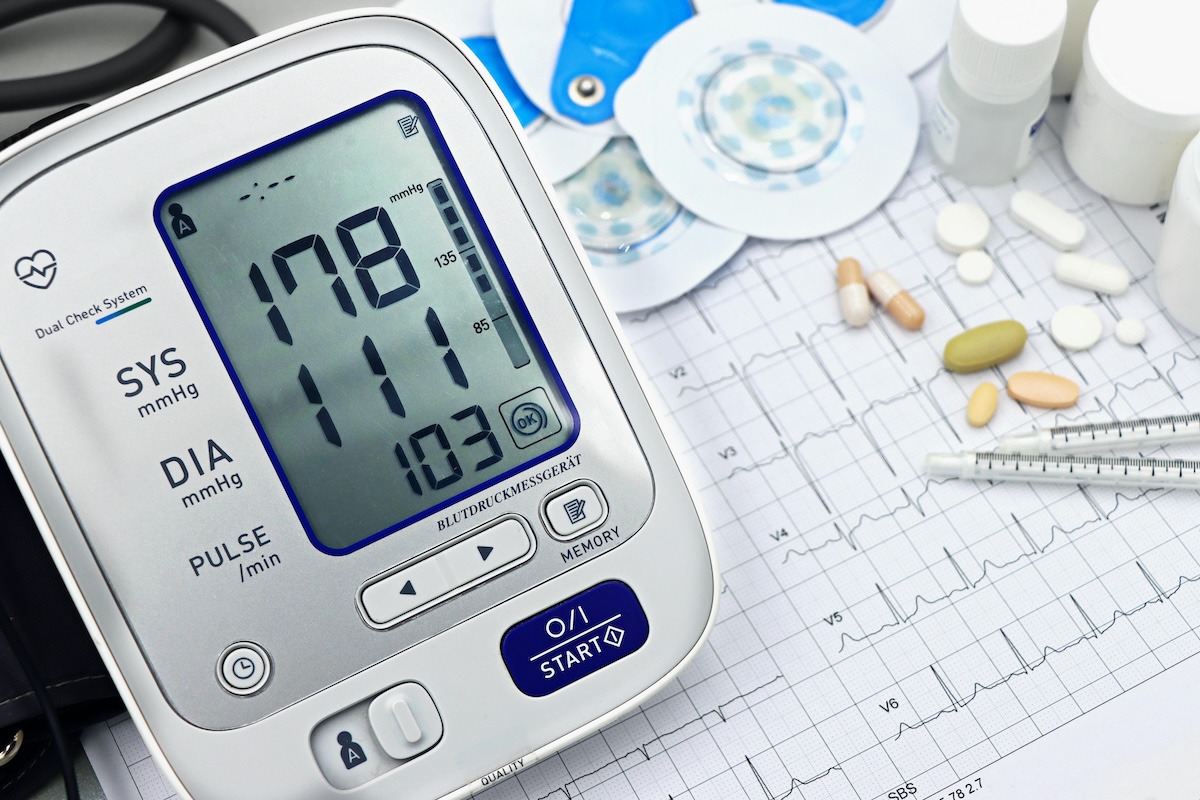
Nearly Half of Adults Have High Blood Pressure—and Many Don’t Know It
According to the American Heart Association, close to half of U.S. adults meet the criteria for high blood pressure, also known as hypertension. What makes this especially troubling is that a large portion of those affected remain undiagnosed. Hypertension often develops quietly, without obvious symptoms, yet it significantly increases the risk of heart attack and stroke.
What’s becoming increasingly clear, however, is that the damage does not stop at the heart. Your brain is one of the most vulnerable organs when blood pressure runs high. Because the nervous system depends on a constant, finely regulated supply of oxygen and nutrients, even subtle disruptions in blood flow can have lasting consequences for cognition, memory, and processing speed.
Recent neuroscience research has revealed something even more unsettling: the brain may begin to deteriorate at the cellular level long before blood pressure readings trigger clinical concern.
How Elevated Blood Pressure Disrupts Brain Cells
A recent study published in the journal Neuron examined what happens inside the brain during the earliest stages of hypertension. Instead of waiting for memory loss or cognitive decline to appear, researchers looked directly at individual brain cells to see which ones were affected first.
Using a well-established animal model designed to mirror human hypertension, the researchers were able to observe how rising blood pressure alters gene expression across thousands of cells. The results showed that high blood pressure initiates a cascade of damage that begins quietly but accelerates over time.
One of the earliest changes involved the brain’s energy systems. Neurons rely heavily on mitochondria—the cellular structures responsible for producing ATP, the body’s primary energy currency. When blood pressure rose, genes involved in mitochondrial energy production were dialed down. As a result, neurons began operating on an energy deficit, leaving them more vulnerable to stress, inflammation, and degeneration.
This helps explain why people with hypertension have a significantly higher risk of cognitive impairment, even when overt dementia is not yet present. Executive function, abstract reasoning, memory formation, and processing speed all depend on healthy, energy-rich neurons.
Brain Damage Begins Earlier Than Most People Realize
One of the most striking findings from this research is how quickly damage appeared. Within days of sustained blood pressure elevation, several critical brain cell types began to show signs of distress.
Endothelial cells—the cells lining blood vessels—were among the first affected. These cells normally regulate blood flow and protect the brain from harmful substances. Under pressure stress, they showed signs of accelerated aging and impaired metabolism. Once endothelial cells falter, the entire neurovascular system becomes less stable.
At the same time, interneurons—cells that help balance excitatory and inhibitory signals in the brain—began to show gene-expression patterns similar to those seen in early Alzheimer’s disease. When these regulatory neurons fail, neural networks become noisy, inefficient, and prone to dysfunction.
Equally concerning was the impact on oligodendrocytes, the cells responsible for producing myelin. Myelin acts as insulation for nerve fibers, allowing signals to travel quickly and accurately. When myelin production slows, communication between neurons becomes delayed and error-prone, undermining cognitive performance.
Perhaps most alarming was early damage to the blood-brain barrier. Once this barrier becomes more permeable, inflammatory molecules and oxidative byproducts can leak into brain tissue, triggering chronic immune activation. This low-grade inflammation accelerates brain aging and lays the groundwork for long-term neurodegeneration.
What Chronic Hypertension Looks Like on Brain Scans
While early cellular damage is invisible to standard clinical tests, long-standing hypertension leaves unmistakable fingerprints on brain imaging. A major study published in The Lancet Neurology followed individuals over decades and found that people with midlife hypertension consistently showed more structural brain damage later in life.
MRI scans revealed higher levels of white matter hyperintensities—areas where blood vessel dysfunction has damaged the brain’s wiring. These lesions appear as bright spots scattered throughout white matter and are strongly associated with slower information processing, impaired mobility, and increased risk of stroke and dementia.
Researchers also observed more microbleeds and reduced total brain volume, including shrinkage of the hippocampus, a region essential for memory formation. These changes were not subtle, and they tracked closely with both systolic and diastolic blood pressure levels across adulthood.
Blood pressure readings matter across the lifespan. Higher diastolic pressure in early and mid-adulthood predicted more white matter damage later on, while elevated systolic pressure in older adults was more closely tied to stroke risk and ongoing tissue injury.
When Blood Pressure Starts to Affect Dementia Risk
Although hypertension becomes more common with age, its cognitive consequences begin much earlier than most people assume. Research highlighted by Johns Hopkins Medicine found that older adults with uncontrolled high blood pressure showed brains that appeared nearly three years older than those of their normotensive peers.
That difference is clinically meaningful. A few years of accelerated brain aging can be enough to push someone from normal cognition into mild cognitive impairment—or from impairment into dementia.
These findings underscore the importance of monitoring blood pressure well before retirement age. Waiting until symptoms appear often means intervening after structural damage has already accumulated.
Subtle Warning Signs You Shouldn’t Ignore
Hypertension-related brain changes usually develop silently, but there are clues that cognitive health may be slipping. People often notice increased forgetfulness, difficulty multitasking, slower mental processing, or subtle mood changes such as increased apathy or depression.
As damage progresses, more obvious neurological symptoms may appear, including vision disturbances, coordination problems, severe headaches, or facial weakness. These signs warrant immediate medical evaluation, as they may indicate stroke or advanced vascular injury.
Can Brain Damage From High Blood Pressure Be Reversed?
The encouraging news is that early damage may not be permanent. In the Neuron study, animals treated with medications that blocked angiotensin—a hormone that raises blood pressure—showed partial reversal of cellular damage.
Lifestyle interventions show similar promise in humans. Reporting in The Guardian, researchers noted that sustained improvements in diet, physical activity, alcohol intake, and sleep quality can significantly lower blood pressure and reduce long-term cardiovascular and neurological risk.
The key is timing. The earlier blood pressure is brought under control, the more likely it is that brain tissue can recover or stabilize.
Practical Steps to Protect Your Brain
You do not need to wait for a diagnosis to take action. Protecting your brain starts with addressing the factors that quietly drive blood pressure upward:
- Monitor early and consistently
Begin tracking blood pressure in your 30s or 40s, not decades later. Regular measurements help identify upward trends before damage becomes entrenched. - Prioritize movement and sleep
Regular physical activity improves vascular flexibility and cerebral blood flow, while adequate sleep allows the brain to repair oxidative and inflammatory damage accumulated during the day.
Diet also plays a central role. Highly processed foods, excess sodium, metabolic stress, and inflammatory fats all strain blood vessels over time. Shifting toward whole, nutrient-dense foods and minimizing dietary factors that impair mitochondrial energy production can have profound effects on both blood pressure and cognitive resilience.
The Bottom Line
High blood pressure is not just a cardiovascular issue—it is a neurological one. Long before memory problems appear, hypertension quietly disrupts energy production, blood vessel integrity, and neural communication. By the time structural damage shows up on brain scans, years of silent injury have often already occurred.
The good news is that awareness changes outcomes. Early monitoring, timely intervention, and consistent lifestyle adjustments can protect both your heart and your brain, preserving cognitive health well into later life.