
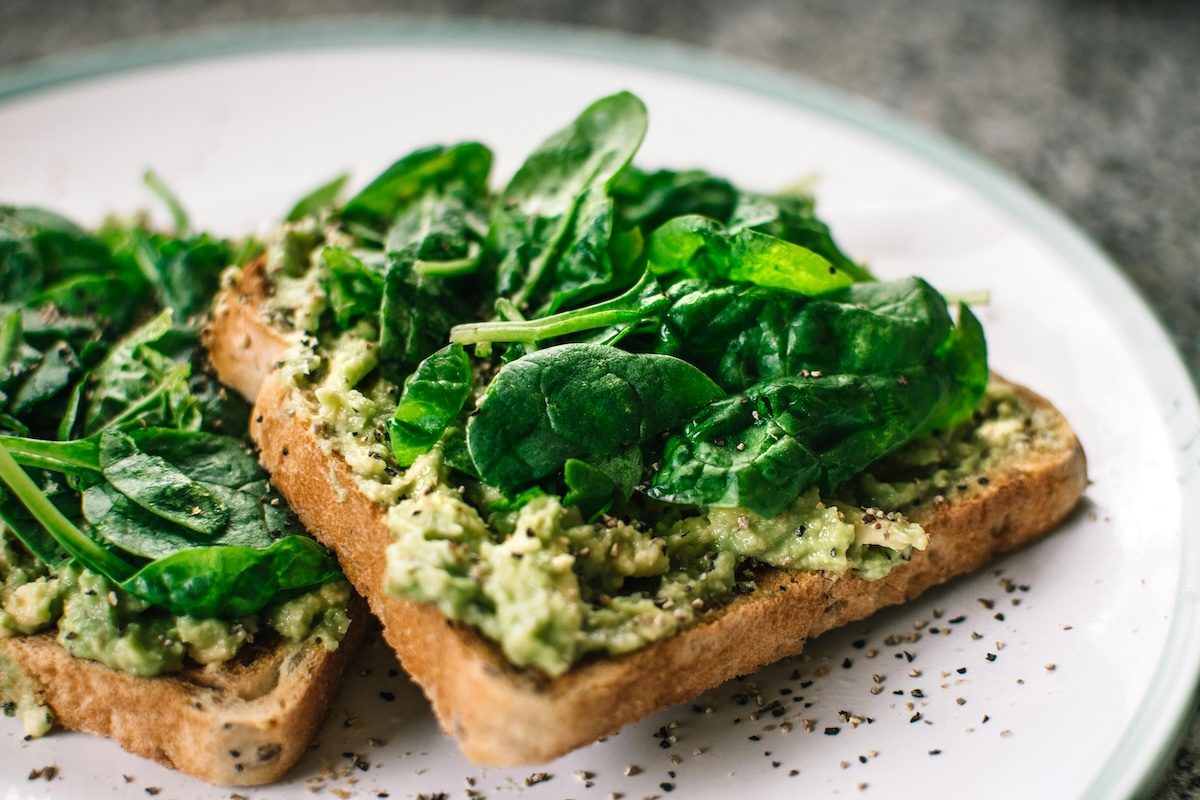
Cognitive decline is one of the greatest health concerns facing aging populations worldwide. With dementia cases projected to rise sharply in the coming decades, scientists are racing to identify practical, everyday strategies that can help preserve memory and mental function. Nutrition has long been at the center of this discussion, but new large-scale evidence is challenging some long-held assumptions about which foods truly protect the brain.
A landmark study published in The Journal of Nutrition, Health and Aging followed more than 10,000 adults in China and the United States for over five years. Researchers tracked participants’ diets and assessed their cognitive function to uncover the relationships between fruit and vegetable consumption and brain health. The results were striking: while both food groups provided benefits, vegetables consistently offered stronger and more reliable protection against cognitive decline than fruits.
This finding reshapes how we think about diet and the brain. Not all plant foods are created equal when it comes to safeguarding cognition—and vegetables, particularly leafy greens and cruciferous types, stand out as the heavyweights.
Why Vegetables Outperform Fruits
The study highlighted two families of vegetables in particular: cruciferous varieties (like broccoli, cauliflower, Brussels sprouts, and cabbage) and leafy greens (such as spinach, kale, and lettuce). These foods were consistently linked with slower rates of cognitive decline and stronger preservation of memory, attention, and executive function.
What explains their potency? It comes down to their unique phytochemical profiles.
- Cruciferous vegetables are rich in glucosinolates, compounds that break down into biologically active molecules with antioxidant and anti-inflammatory properties. These molecules help combat oxidative stress in neurons, a process strongly linked to aging and neurodegeneration.
- Leafy greens provide high levels of lutein, folate, vitamin K, and nitrates. Lutein in particular accumulates in brain tissue and is known to protect neurons against damage, while folate supports neurotransmitter synthesis and repair processes.
By comparison, fruits—though high in vitamins, fiber, and beneficial antioxidants—showed weaker and less consistent effects in this study. One possibility is that the sugar content of many fruits, particularly fructose, may counterbalance some of their protective properties. While moderate fruit consumption is unquestionably part of a healthy diet, the data suggest that vegetables have a more direct and measurable impact on long-term brain health.
Oxidative Stress, Inflammation, and the Aging Brain
Understanding why vegetables matter so much requires a closer look at the biology of cognitive decline. Two processes stand out: oxidative stress and neuroinflammation.
- Oxidative stress occurs when reactive oxygen species (ROS) outpace the body’s antioxidant defenses, damaging lipids, proteins, and DNA. Neurons are especially vulnerable due to their high metabolic activity and oxygen demand.
- Neuroinflammation is a chronic, low-grade activation of immune pathways in the brain. Over time, it contributes to neuronal loss, impaired synaptic function, and reduced plasticity—all hallmarks of cognitive decline and dementia.
Cruciferous and leafy vegetables target both of these pathways. Their phytochemicals not only neutralize free radicals but also modulate inflammatory signaling cascades, reducing long-term damage. By contrast, fruits often provide antioxidant compounds without the same anti-inflammatory depth, which may explain why they showed weaker associations in the study.
A Global Perspective: China and the U.S.
One of the most valuable aspects of this research is its scope. By analyzing populations in both China and the United States, the study controlled for cultural and dietary differences that could confound the results. Despite variations in cuisine, food availability, and lifestyle, the core finding remained consistent: vegetables, especially cruciferous and leafy types, protect the brain across cultures.
This consistency underscores a universal principle: while diets differ worldwide, the biochemical impact of certain vegetables on human brain aging appears robust. Whether someone eats bok choy in Shanghai or kale in Chicago, the protective effects are measurable.
Implications for Public Health
The practical message is clear: prioritizing vegetables in the daily diet could be one of the most powerful, accessible tools for maintaining cognitive function into old age. As dementia rates surge globally—driven by aging populations, urbanization, and lifestyle shifts—this finding offers a scalable, low-cost intervention.
Public health campaigns often promote general “fruit and vegetable” intake as interchangeable, but this study suggests a more nuanced message is needed. While both food groups are important for overall health, vegetables may deserve special emphasis in dementia prevention strategies.
Practical Strategies for Everyday Eating
How can individuals put these findings into practice?
- Prioritize leafy greens daily
Aim for at least one serving of spinach, kale, arugula, or lettuce with meals. Adding greens to smoothies, omelets, or sandwiches can increase intake effortlessly. - Incorporate cruciferous vegetables several times a week
Roast broccoli, steam Brussels sprouts, or stir-fry bok choy. These vegetables are highly versatile and can be prepared in ways that suit different cuisines. - Balance fruit intake
Fruits remain valuable sources of vitamins and fiber, but focus on lower-sugar options like berries, which are rich in anthocyanins linked to brain health. - Think diversity, not monotony
Different vegetables contribute different compounds. Eating a variety of colors and types ensures a broader spectrum of protective nutrients. - Adopt cultural flexibility
Both Eastern and Western diets can incorporate brain-protective vegetables. Traditional Chinese dishes often feature bok choy, mustard greens, and cabbage, while Western cuisines lean on kale, collards, and broccoli. The key is to elevate vegetables from side dishes to central components of meals.
Looking Ahead: Research and Beyond
While this study adds compelling evidence, it also raises new questions. For instance, how do preparation methods—boiling, steaming, stir-frying, roasting—affect the bioavailability of protective compounds? Are there synergistic effects when certain vegetables are combined with healthy fats, which enhance the absorption of fat-soluble antioxidants like lutein?
Further research could also explore interactions with genetics, gut microbiota, and lifestyle factors like exercise and sleep, which also modulate brain aging. Nevertheless, the message is actionable today: eat more vegetables, particularly cruciferous and leafy greens, for long-term cognitive resilience.
Conclusion
The science is becoming clearer: while fruits and vegetables are both essential for health, vegetables—especially leafy greens and cruciferous varieties—play a uniquely powerful role in preserving brain function. By actively counteracting oxidative stress and neuroinflammation, they slow the processes that underlie cognitive decline.
This evidence challenges the idea that “all plants are equal” when it comes to brain health. For those concerned about memory, focus, and longevity, building a diet anchored in nutrient-dense vegetables may be one of the most effective and accessible strategies available.
As populations in both East and West grapple with the rising tide of dementia, the findings of this large-scale study offer hope: everyday choices at the dinner table could make the difference between sharper minds and accelerated decline.
REFERENCES:
- Li, Y., et al. (2024). Associations of vegetable and fruit intake with cognitive function and its decline: Two longitudinal studies. The Journal of Nutrition, Health and Aging, 34, 100223. doi:10.1016/j.jnha.2024.100223
- Joseph, J. A., et al. (2009). Oxidative stress and inflammation in brain aging: Nutritional interventions. Neurobiology of Aging, 30(4), 507–514.
- Morris, M. C., et al. (2018). Nutrients and bioactives in green leafy vegetables and cognitive decline: Prospective study. Neurology, 90(3), e214–e222.
- Liu, R. H. (2013). Dietary bioactive compounds and their health implications. Journal of Food Science, 78, A18–A25.
- Scalbert, A., & Williamson, G. (2000). Dietary intake and bioavailability of polyphenols. Journal of Nutrition, 130(8), 2073S–2085S.