
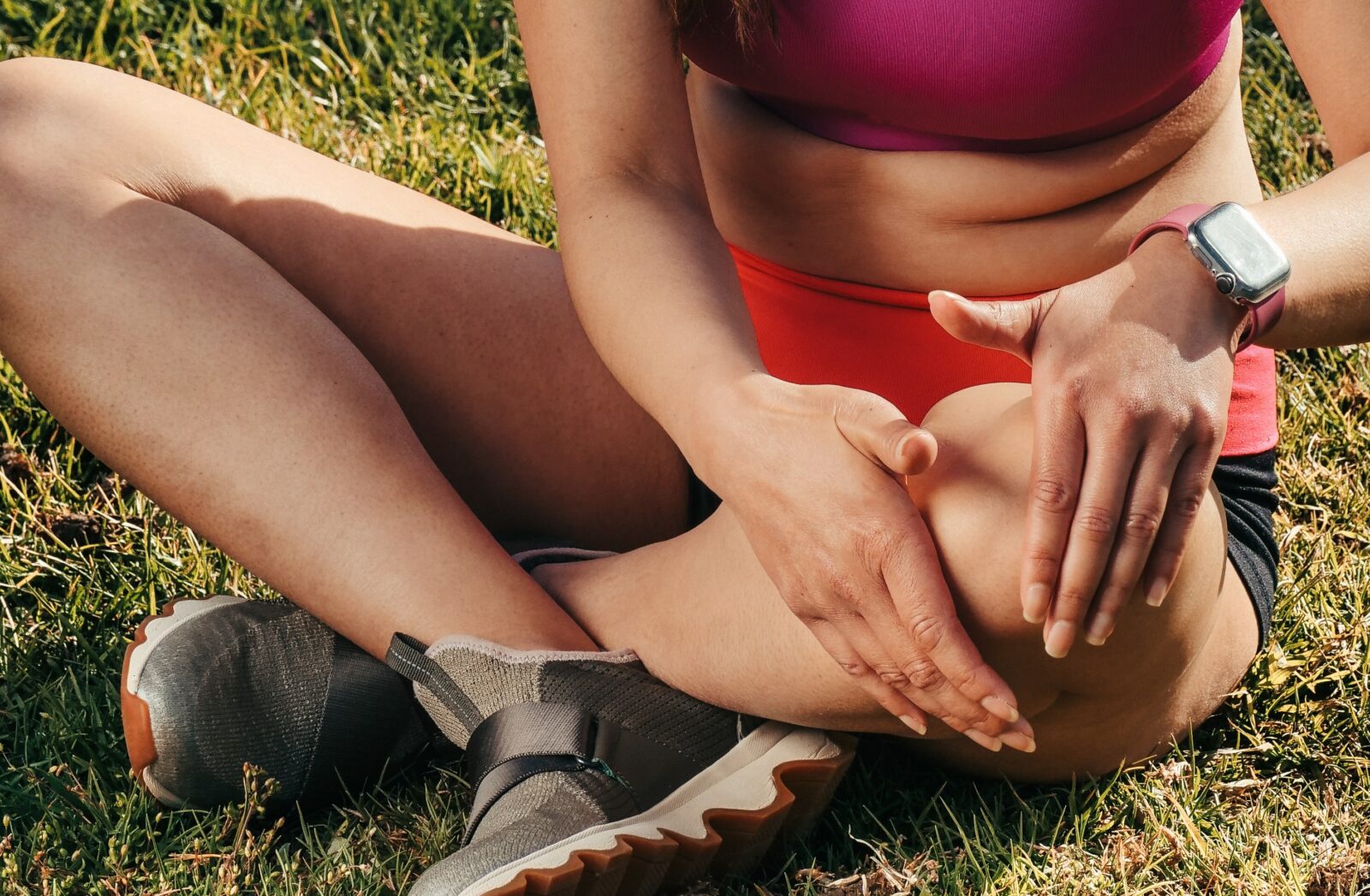
Osteoarthritis is a growing global problem. In fact, osteoarthritis (OA) has more than doubled since 1990, according to a study in 2019.
This study from the Global Burden of Disease (GBD) found the prevalence of OA increased in countries around the world, although at differing rates of change. As of 2019, there were approximately 527 million cases of OA globally, which is a stunning increase of 113.25% over 247.51 million cases in 1990.
What is going on?
In north America, 80% of individuals show some x-ray evidence of OA by age 65, and 60 of them have significant joint pain. A very interesting study compared the size of knee cartilage in the skeletons of people who lived in various time periods all the way back to 6,000 years ago.
The researchers found that the prevalence of knee OA has risen dramatically over the last 50 years. This reflects changes from active hunter/gatherer periods to the current sedentary post-industrial period. Our levels of physical exercise/labor have decreased dramatically while we have gained too much weight.
Current research also points to evidence that OA may be a disease of inflammation caused by a sedentary lifestyle, being overweight, eating a pro-inflammatory diet, and being deficient in vitamin D.
Knee cartilage has a poor blood supply. It gets its nutrients from consistent movement and weight bearing that pumps the nutrients into the cartilage. Lack of movement deprives the knee cartilage of what it needs, and it weakens and shrinks over time. Knee cartilage can be damaged in sports activities or accidents, but less than 10% of knee osteoarthritis appears to be related to trauma.
Symptoms of osteoarthritis
People are usually diagnosed as having osteoarthritis if they:
- have gradually increasing pain in their knees, hips, hands or spine
- have pain that is usually worse in the morning when a person first gets up.
- are age 40 or older
- have negative results in the standard blood tests for the known causes of arthritis such as gout or psoriasis
- if hands are affected, the swelling of the knuckles and joints caused by osteoarthritis is on the ends of the fingers next to the
- fingernails and at the base of the thumb.
Evidence of inflammation
We know that our immune systems function for a reason. Once it has killed the pathogens or helped heal a wound, the immune system should slow down until the next invader. However, if it remains active, it will attack your own system. Destroying cartilage in the joints frequently occurs as a result. Recent research shows that osteoarthritis can be caused by inflammation, the same overactive immunity that causes heart attacks.
Individuals with OA have high blood levels of galectins that prompt the immune system to cause inflammation, just like in rheumatoid arthritis and reactive arthritis.
Almost 70% of obese people develop knee osteoarthritis. Losing at least 10 pounds will help reduce the risk of developing knee OA by 50%. Excess weight causes inflammation.
Exercise helps to prevent and treat knee osteoarthritis
Studies consistently show that exercise and an active lifestyle help prevent and lessen knee OA. Some of these studies include:
- A review of six studies of 656 men and women with knee osteoarthritis found that exercise improves symptoms of knee pain in osteoarthritis and that it didn’t make much difference whether the knee exercise program was of low or high intensity
- A randomized controlled study of 126 people with knee osteoarthritis showed that a combined program of aerobic and strength training for 20 weeks markedly decreased knee pain and increased mobility
- A review of 55 studies showed that weight-bearing exercise reduces pain and improves joint function in people who have osteoarthritis
Final thoughts
If you experience significant joint pain that does go away, seek out the root cause. Your physician may run a battery of tests to rule out issues like rheumatoid arthritis, gout, psoriasis, or other known cause. If these tests come back negative, you may receive a diagnosis of OA.
Current studies show that inflammation may be causing the increase in the prevalence of OA. To prevent this, follow these tips:
- lose weight if overweight
- keep blood levels of hydroxy vitamin D above 20 ng/ml
- eat an anti-inflammatory diet that includes lots of vegetables, fruit, whole grains, beans, nuts, and other seeds, and restricts red meat, all foods and drinks with added sugar, and fried foods
Add movement and exercise to your daily routine, but be aware that pushing through pain may be counter-productive. Avoid high impact sports or exercise because the force of your foot hitting the ground can break off knee cartilage. Low-impact sports include bicycling and swimming.
You may want to try NSAIDs, but they only mask the pain and have their own side effects. Take the lowest dose possible. If the pain keeps you awake at night, talk to your doctor. In the meantime, focus on low-impact movement, a healthy diet, adding anti-inflammatory foods, herbs, and spices to your diet, and losing weight.