
Parkinson’s disease (PD) is a chronic and progressive neurological disorder that affects movement. It is caused by the loss of dopamine-producing brain cells in a region of the brain called the substantia nigra. Dopamine is a neurotransmitter that helps regulate movement, and its loss leads to the characteristic motor symptoms of PD, including tremors, rigidity, bradykinesia (slowness of movement), and postural instability. In this essential guide, we will discuss the different types of PD, its symptoms, causes, treatments, and natural remedies.
Types of Parkinson’s disease
There are two main types of PD: idiopathic and secondary. Idiopathic PD is the most common type and is believed to be caused by a combination of genetic and environmental factors. Secondary PD, on the other hand, is caused by external factors such as head trauma, medication, or exposure to toxins.
Symptoms of Parkinson’s disease
- The symptoms of PD can vary from person to person, and some may not experience all of them. The most common symptoms of PD include:
- Tremors: These are involuntary shaking movements, usually in the hands, arms, or legs, and can occur when the person is at rest or when performing an action.
- Rigidity: This refers to the stiffness of the muscles, making it difficult to move or bend the limbs.
- Bradykinesia: This is slowness of movement, making everyday activities like walking or getting dressed difficult.
- Postural instability: This refers to difficulty maintaining balance, which can lead to falls.
- Other symptoms of PD can include changes in speech, writing, and facial expressions, as well as difficulty sleeping and constipation.
Causes of Parkinson’s disease
The exact cause of PD is not fully understood, but it is believed to be a combination of genetic and environmental factors. Mutations in several genes, including SNCA, LRRK2, and Parkin, have been linked to an increased risk of developing PD. However, not everyone with these genetic mutations will develop the disease, and some people with PD have no known genetic risk factors.
Environmental factors that have been linked to an increased risk of PD include exposure to pesticides and other toxins, head injuries, and certain medications. However, not everyone exposed to these factors will develop PD, and some people with PD have no known environmental risk factors.
Treatments for Parkinson’s disease
There is currently no cure for PD, but there are several treatments that can help manage its symptoms. The most common treatments for PD include:
- Medications: There are several medications available that can help manage the motor symptoms of PD by increasing dopamine levels in the brain. These include levodopa, dopamine agonists, and MAO-B inhibitors.
- Deep brain stimulation: This involves the implantation of electrodes into the brain to stimulate specific regions and improve motor function.
- Physical therapy: This can help improve strength, balance, and flexibility, making it easier to perform everyday tasks.
- Occupational therapy: This can help improve the ability to perform activities of daily living, such as dressing and eating.
- Speech therapy: This can help improve speech and communication, which can be affected by PD.
Natural remedies for Parkinson’s disease
While there is no cure for PD, there are several natural remedies that can help manage its symptoms. It is important to note that these remedies should not replace medical treatment, but can be used in conjunction with it. Some natural remedies for PD include:
- Exercise: Regular exercise can help improve motor function, strength, and balance. This can include activities like walking, yoga, and tai chi.
- Diet: A healthy diet can help improve overall health and may also help manage PD symptoms. This can include foods rich in antioxidants, such as fruits, vegetables, and whole grains.
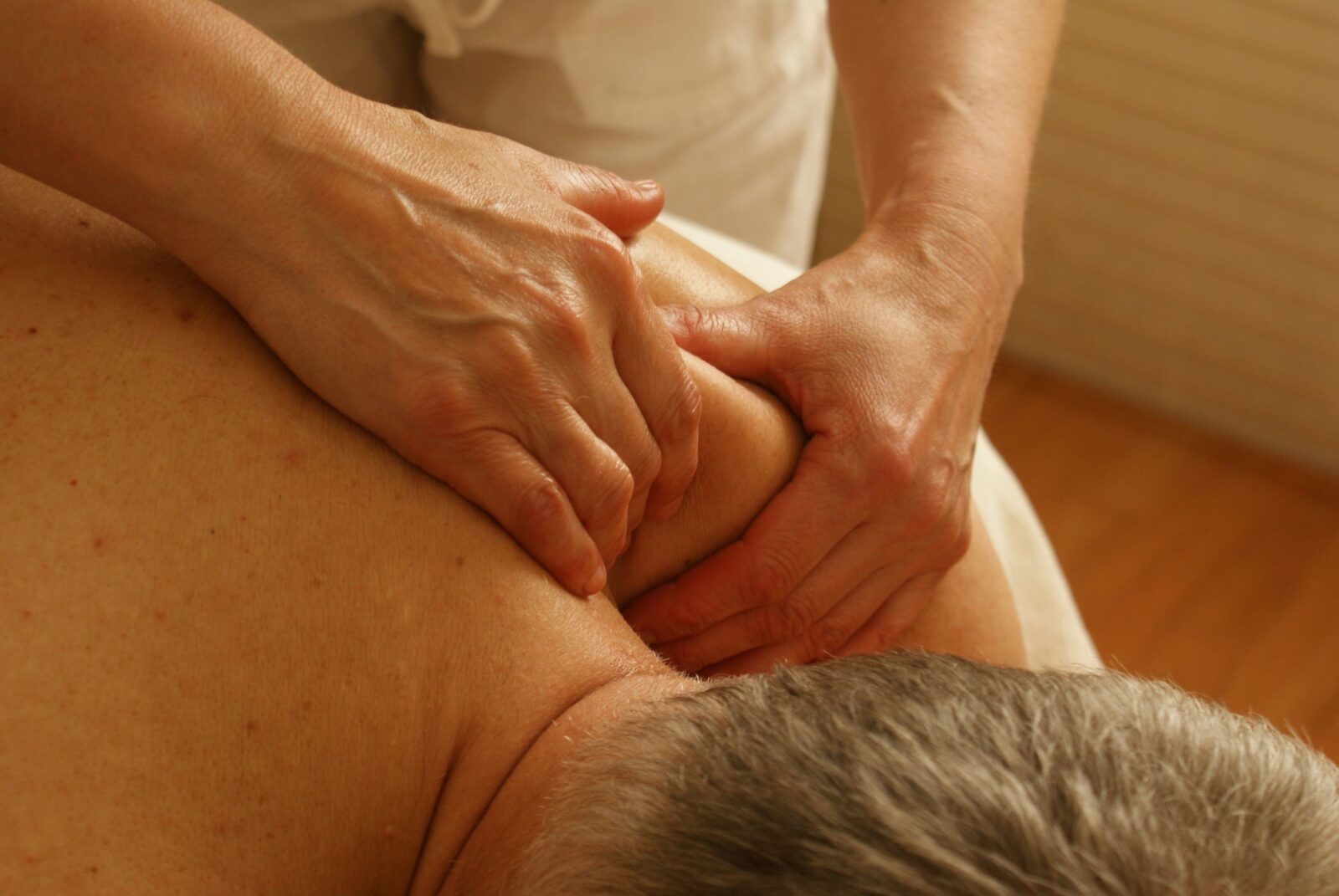
- Massage therapy: This can help relieve muscle tension and stiffness, which can be beneficial for people with PD.
- Acupuncture: This involves the insertion of thin needles into specific points on the body to stimulate healing and improve overall health. Some studies have shown that acupuncture may help improve motor function in people with PD.
- Music therapy: This involves listening to or playing music as a form of therapy. It has been shown to improve mood, reduce stress, and improve motor function in people with PD.
Final thoughts
Parkinson’s disease is a chronic and progressive neurological disorder that affects movement. It is caused by the loss of dopamine-producing brain cells in a region of the brain called the substantia nigra. While there is no cure for PD, there are several treatments available that can help manage its symptoms. It is important to work closely with a healthcare professional to develop a treatment plan that is right for you. In addition to medical treatment, natural remedies such as exercise, diet, massage therapy, acupuncture, and music therapy may also be beneficial. By managing symptoms and maintaining a healthy lifestyle, people with PD can improve their quality of life and maintain their independence.
REFERENCES:
Kalia, L. V., & Lang, A. E. (2015). Parkinson’s disease. The Lancet, 386(9996), 896-912.
Tysnes, O. B., & Storstein, A. (2017). Epidemiology of Parkinson’s disease. Journal of neural transmission, 124(8), 901-905.
Postuma, R. B., & Berg, D. (2019). Advances in markers of prodromal Parkinson disease. Nature Reviews Neurology, 15(3), 121-132.
Olanow, C. W., Stern, M. B., & Sethi, K. (2009). The scientific and clinical basis for the treatment of Parkinson disease (2009). Neurology, 72(21 Supplement 4), S1-S136.
National Institute of Neurological Disorders and Stroke. Parkinson’s Disease Information Page. https://www.ninds.nih.gov/Disorders/All-Disorders/Parkinsons-Disease-Information-Page
National Parkinson Foundation. Living with Parkinson’s. https://www.parkinson.org/Living-with-Parkinsons
Shin, J. Y., Lee, J. Y., Kim, K. S., Kim, H. S., Park, K. S., Kim, Y. K., … & Lee, S. K. (2018). Acupuncture for Parkinson’s disease: A systematic review and meta-analysis. Parkinsonism & related disorders, 49, 19-26.
Heiberger, L., Maurer, C., Amtage, F., Mendez-Balbuena, I., Schulte-Mönting, J., Hepp-Reymond, M. C., … & Kristeva, R. (2011). Impact of a weekly dance class on the functional mobility and on the quality of life of individuals with Parkinson’s disease. Frontiers in aging neuroscience, 3, 14.
Van Den Eeden, S. K., Tanner, C. M., Bernstein, A. L., Fross, R. D., Leimpeter, A., Bloch, D. A., & Nelson, L. M. (2003). Incidence of Parkinson’s disease: variation by age, gender, and race/ethnicity. American Journal of Epidemiology, 157(11), 1015-1022.
Quik, M., Perez, X. A., & Bordia, T. (2018). Nicotine as a potential neuroprotective agent for Parkinson’s disease. Movement Disorders, 33(5), 660-667.