
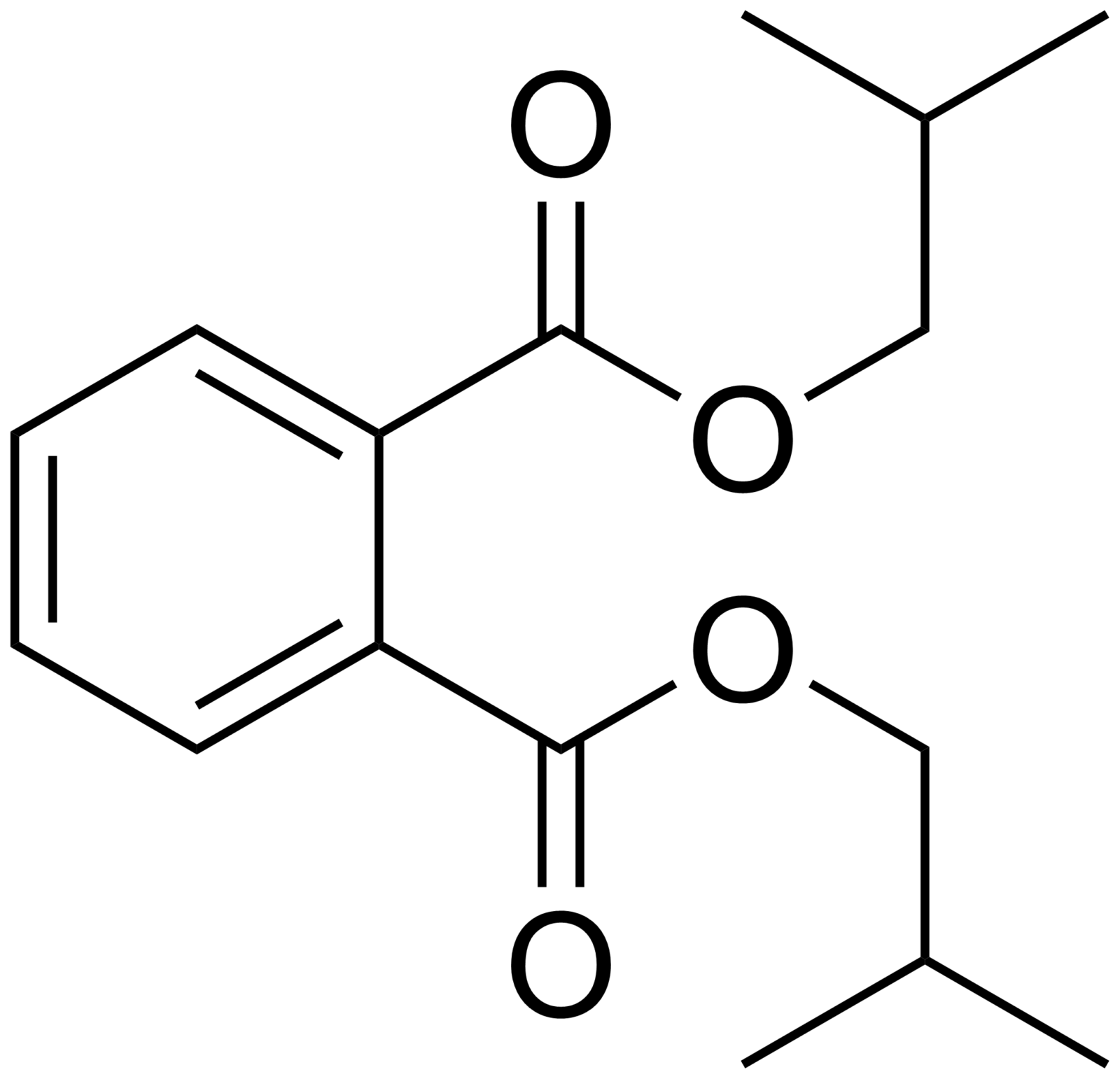
Prenatal exposure to phthalates has been linked to problem behaviors like an increased risk of aggressive or delinquent behaviors in addition to reductions in child perceptual reasoning, lowered IQ, anxiety, and poorer working memory.
The FDA has approved the use of 28 phthalates as additives to food products, and food continues to be a prime source of exposure to phthalates, since the chemicals may leach into food from food packaging and plastic equipment used in food production.
Because people are exposed to multiple phthalates concurrently, scientists have begun to call for regulation of the chemicals as a class and policy reforms to eliminate the chemicals from products that lead to exposure in pregnant women, women of reproductive age, infants and children.
Widespread exposure to phthalates is putting children’s brain development at risk, according to Project TENDR (Targeting Environmental Neuro-Development Risks), which is a collaboration of scientists, health professionals, and advocates for children and the environment.
Formed in 2015, the group focuses on concerns that toxic environmental chemicals are contributing to neurodevelopmental disorders including autism, attention deficits, hyperactivity, intellectual disability, and learning disorders. Recently, they have targeted phthalates by pointing to evidence that calls for immediate action to protect children’s brains from exposure to this harmful class of chemicals.
Behavioral disorders linked to phthalates
Phthalates are high-production volume chemicals used frequently as plasticizers in polyvinyl chloride (PVC) and other plastics. An estimated 8.4 million metric tons of plasticizers, including phthalates, are used globally each year. Phthalate production is approximately 4.9 million metric tons annually. The Norwegian Institute of Public Health found that 90% of people tested during the year between 2016 to 2017 had eight different plasticizers in their urine.
In a peer-reviewed article published in the American Journal of Public Health, researchers at Project TENDR concluded that exposure to phthalates can impair brain development, increasing children’s risk of attention, learning, and behavior disorders. They pointed to data from studies that linked exposure to phthalates in utero and the following health conditions:
- Attention-deficit hyperactivity disorder (ADHD)
- Other behavioral problems
- Adverse cognitive development
- Lower IQ
- Poorer psychomotor development
- Impaired social communication
According to the article, over 30 published studies from 11 different countries have measured prenatal phthalate exposure with the children being followed for changes in cognitive development, alterations in neonatal behavior, executive function, social behavior, and more.
“The most consistent pattern across multiple studies is associations with behaviors commonly associated with ADHD (including hyperactivity, aggression/defiance and emotional reactivity), deficits in executive function or ADHD clinical diagnosis,” the researchers noted.
For instance, children born to mothers who were in the highest quintile of urinary phthalate levels during the second trimester of pregnancy were nearly three times more likely to be diagnosed with ADHD compared to children born to mothers in the lowest quintile.
Prenatal exposure through puberty is especially harmful
Scientists have pinpointed the most sensitive windows of exposure to phthalates, from prenatal to adolescence. The continuing development of the brain, including the prefrontal cortex, cerebellum, and hippocampus, during this crucial period makes children especially vulnerable to exposure to phthalates toxicities.
Phthalates produce harm through a variety of mechanisms. Researchers have determined that they can disrupt organization and function of the hypothalamic-pituitary-gonadal axis. This is the system that manages stress and regulates immune function and metabolic homeostasis. In addition, the chemicals may disrupt fetal testosterone production and create anti-estrogenic effects, all of which may impact brain plasticity.
“The hippocampus and, consequently, aspects of neural plasticity, cognitive flexibility, anxiety-like behavior, learning and memory, are thought to be particularly vulnerable to phthalates,” the researchers wrote.
“Given the widespread exposures to phthalates, including among women and children, and the limited existing US regulations, none of which focus on pregnant women, health-protective regulatory actions are required to eliminate these potentially harmful exposures.”
Where does exposure to phthalates occur?
The FDA has limited the use of 8 phthalates in children’s toys and other child care items. However, additional FDA regulation of the chemicals remains much less strict. Indeed, the FAD has approved the use of 28 phthalates for use as food additives in food packaging like cellophane, paper and paperboard, coating agents and binders.
Environmental and public health organizations submitted petitions asking the FDA to change its approval of the 28 phthalates as food additives. However, the FDA did not meet the statutory deadline for a final decision.
Thus, our diets remain a key way that we are exposed to phthalates. They can leach into food from food packaging and plastic equipment used in food production, such as commercial dairy, conveyor belts and food preparation gloves.
Another way we become exposed to phthalates is through construction materials such as vinyl flooring and wall coverings, which enable phthalates to contaminate indoor air and dust. They are also found in personal care products and cosmetics, including nail polish, fragrance, lotions, and hair products.
How to reduce your phthalate exposure
You can take steps to reduce your exposure to phthalates and other plasticizers by making small changes in your everyday routine. This includes:
- Avoid plastic containers and plastic wrap for food and personal care products. Store food and drinks in glass containers instead.
- Do not microwave food in plastic containers or covered in plastic wrap.
- Avoid plastic children’s toys. Use toys made of natural substances, such as wood and organic materials.
- Avoid products labeled with “fragrance,” including air fresheners, as this catch-all term may include phthalates commonly used to stabilize the scent and extend the life of the product.
- Read labels on your cosmetics and avoid those containing phthalates.
- Read labels looking for PVC-free products, including children’s lunch boxes, backpacks and storage containers.
- Frequently vacuum and dust rooms with vinyl blinds, wallpaper, flooring and furniture that may contain phthalates, as the chemical collects in dust and is easily ingested by children.
- Eat mostly fresh, raw whole foods. Food packaging is often a source of phthalates.
- Use glass baby bottles instead of plastic. Breastfeed exclusively for the first year, if you can, to avoid plastic nipples and bottles altogether.
- Remove your fruit and vegetables from plastic bags immediately after coming home from the grocery store and wash before storing them; alternatively, use cloth bags to bring home your produce.
- Use natural cleaning products or make your own.
- Avoid fabric softeners and dryer sheets; make your own to reduce static cling.
- Check your home’s tap water for contaminants and filter the water if necessary.
- Teach your children not to drink from the garden hose, as many hoses contain plasticizers such as phthalates.
- Use reusable shopping bags for groceries.
- Take your own non-plastic leftovers container to restaurants. Avoid disposable utensils and straws.