
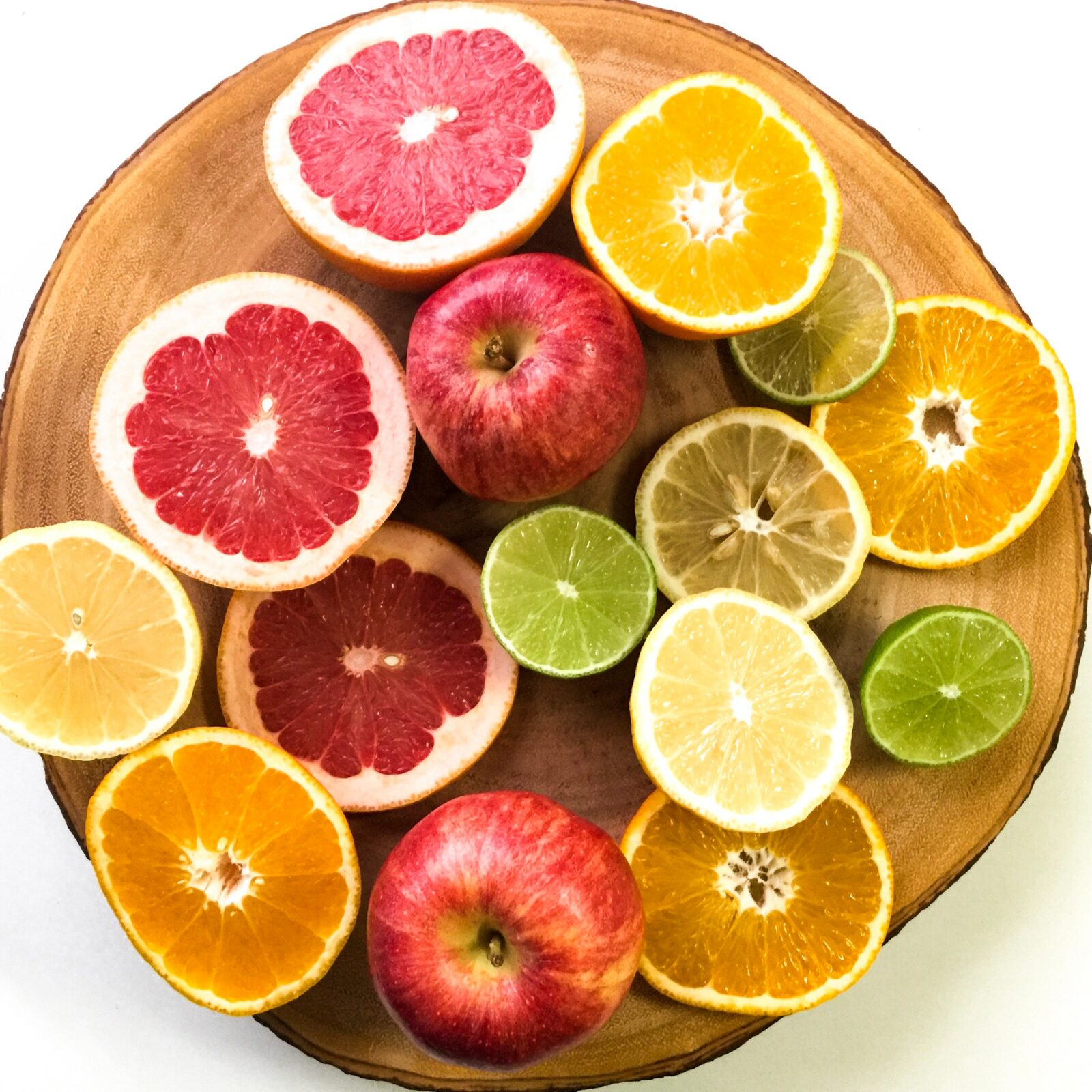
Flavonoids are phenolic substances found widely in fruits and vegetables. They provide antioxidant properties that protect your cells from free radical damage. One of the most widely known and studied flavonoids is quercetin, which is found in apples, capers. grapes, broccoli, citrus fruits, berries, and onions.
Quercetin is a Potent Antioxidant
As a potent antioxidant, quercetin offers anti-hypertensive, anti-inflammatory, anti-atherosclerotic, and anti-obesity actions. Because free radicals play a role in the development of diseases, quercetin has the potential to help with issues like vascular disorders, high blood pressure, and metabolic syndrome.
Quercetin as an Anti-Diabetes Aid
The development of type 2 diabetes has been linked to oxidant stress resulting from a poor diet. Foods rich in quercetin may reduce the risk of diabetes by lowering oxidative stress in the liver.
Quercetin has shown to help the liver and kidneys of obese animal models with type 2 diabetes in studies. Combined with quinic acid, quercetin helped alleviate hyperlipidemia, hyperglycemia, and insulin resistance in diabetic rats.
A topical compound containing substances including quercetin, vitamin D3, and ascorbyl palmitate, helped reduce the oxidative stress linked to peripheral diabetic neuropathy. A preliminary study in 2005 showed that the compound may safely relieve the symptoms of diabetic neuropathy and enhance the quality of life.
Protecting DNA from Damage
A 2011 study investigated the potential protective effects of quercetin against oxidative stress and DNA damage caused by methylmercury in animal subjects. The animals received oral treatment with methylmercury and quercetin that would approximate human exposure. The researchers measured DNA damage in liver cells called hepatocytes and peripheral leukocytes (white blood cells).
The results showed that methylmercury lowered the concentration of glutathione in the body by 17 percent and caused DNA damage to the liver and blood cells. With quercetin, no such effects resulted. “In summary, our results indicate that consumption of quercetin-rich foods may protect mercury-exposed humans against the adverse health effects of the metal,” the researchers wrote.
This is very important. Preventing DNA damage is linked to preventing cancer, and this is accomplished by eating the appropriate foods. For instance, horseradish contains the flavonoids quercetin and kaempferol, which have been shown to protect against DNA damage by acting as antimutagens.
Cancer Prevention
Many epidemiological studies show that phytochemicals offer protection against cancer risk. Because it is found in so many fruits and vegetables, quercetin is a key ingredient to fight cancer due to its antiproliferative and antioxidant actions.
Quercetin modulates many molecules for a multi-layered cancer prevention regimen. Here are examples of quercetin’s chemopreventive abilities:
- Quercetin inhibited tumor growth and improved the sensitivity to thermotherapy, indicating a potential treatment option for hepatocellular carcinoma.
- The combination of quercetin and ionizing radiation may be a potent treatment for colon cancer treatment through targeting colon cancer stem-like cells.
- Quercetin exhibited a preventive effect on liver cancer in animal models.
- Quercetin suppressed the metastatic ability of lung cancer, with potential therapeutic applications for metastatic non-small cell lung cancer in particular.
Prevention and Treatment of Infections
Quercetin may protect against antibiotic-resistant Streptococcus pneumoniae infection mainly through inhibiting pneumolysin, a pore-forming protein toxin and a major determinant of virulence.
Incorporated in liposomes along with resveratrol, quercetin may be valuable in treating inflammation or oxidative stress associated with precancerous or cancerous skin lesions.
The flavonoid derivative quercetin-3beta-O-D-glucoside (Q3G) also showed promising antiviral activity against two distinct species of Ebola. This is particularly important in African countries where Ebola breaks out frequently.
This is one area in which you can make a proactive change. Adding fruits and vegetables high in quercetin will enhance your body’s ability to fight free radicals and ward off a number of conditions.