
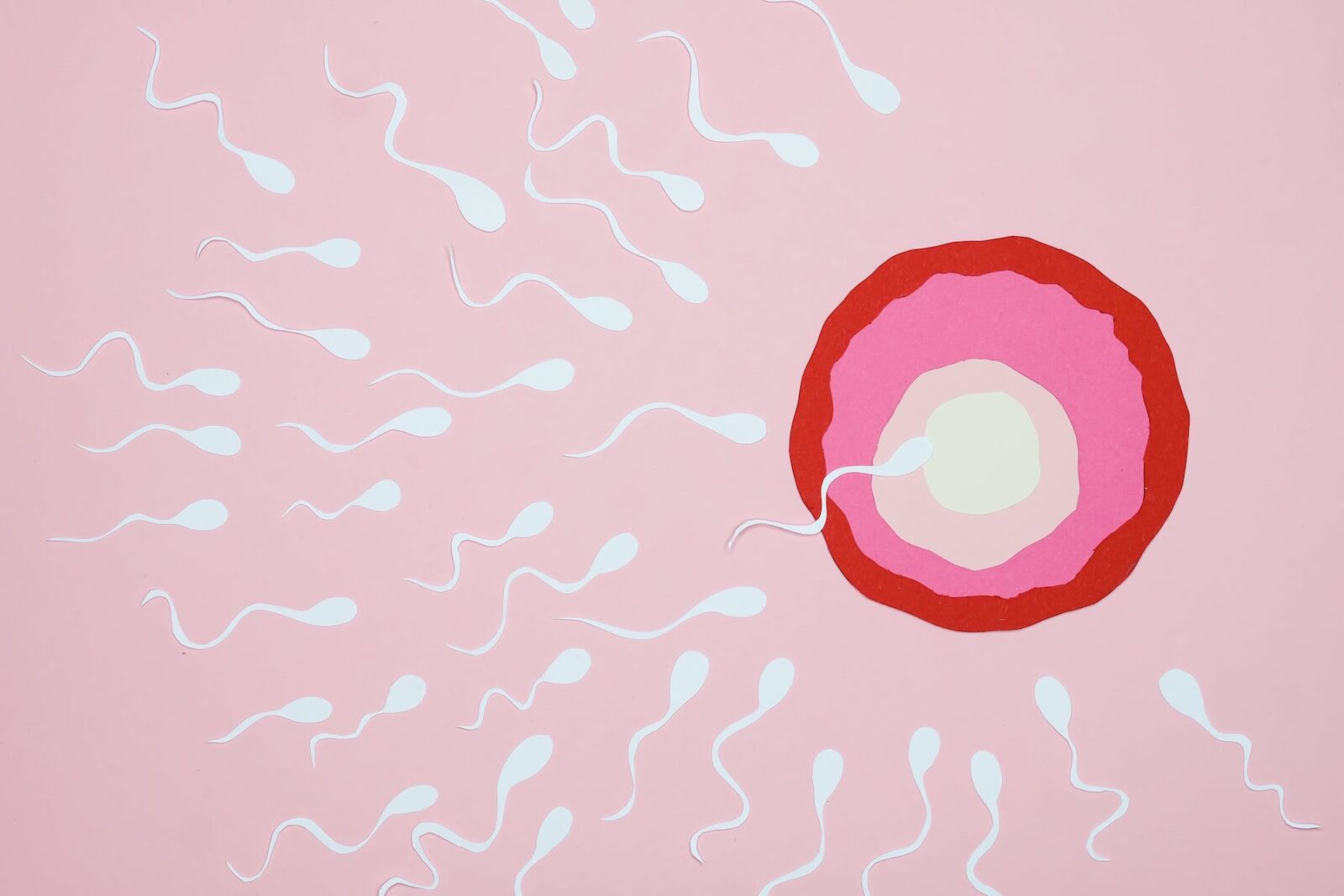
Conceiving a baby might seem straightforward, considering how much effort many individuals invest in avoiding it during their teenage and early adult years. The fear of unintended pregnancy often looms large among young people. However, the reality is that when couples actively attempt to become pregnant, about a quarter of them encounter difficulties. The human reproductive system is incredibly productive in optimal conditions, yet its delicacy leaves room for various complications.
This article aims to elucidate the fundamentals of male fertility, explore potential disruptions, and offer uncomplicated methods to enhance overall health and restore fertility. Three pivotal factors come into play: enhancing nutritional intake, minimizing exposure to toxins, and reducing stress levels. Through several months of dedicated adherence to these adjustments, couples frequently attain pregnancy, even after a year or more of unsuccessful attempts. It’s worth noting that while the primary focus is on male fertility, these factors are equally pertinent to both male and female health and fertility.
Male fertility pertains to the capacity to fertilize a female and facilitate reproduction.
Now, what constitutes infertility? A couple is labeled as infertile if they do not achieve pregnancy after a year of consistent, unprotected sexual intercourse (for women below the age of thirty-five). Beyond thirty-five, this timeframe shortens to six months, as female fertility significantly declines after this age.
While difficulties in conception often lead to assuming the woman is at fault, the reality is that half the time, the man faces challenges. When couples undergo medical evaluations, 40 percent of the issues are attributed to the woman, 40 percent to the man, 10 percent to both, and the remaining 10 percent cannot be linked to a specific cause. It’s crucial to regard the couple as a unit, prompting both partners to explore the origins of infertility until the underlying problems are identified and addressed.
Health
The process of reproduction is a discretionary biological function for the human body, extending to all living organisms. If an individual’s state of health is suboptimal, why would the body proceed with conception, growth, and ushering a new life into existence? Hence, it’s unsurprising that the surest route to fertility and the birth of a healthy child involves maintaining robust health. Prioritizing health often leads to the resolution of fertility issues.
Numerous health conditions and the medications employed to treat them can influence male fertility. Among the most prevalent culprits are endocrine disorders (such as diabetes, thyroid malfunctions, and adrenal issues), hypertension, cardiac ailments, liver or kidney dysfunction, depression, fibromyalgia, persistent pain, cancer therapies, cystic fibrosis, sickle cell anemia, celiac disease, and a host of others. It’s important to note that no medications—be they over-the-counter or prescription—used to address these conditions should be considered universally safe. It’s imperative to engage in discussions with the prescribing healthcare professional to assess their impact on health, fertility, and fetal development. When a man contends with a medical condition, integrating its management into the broader context of improving health and fertility is crucial.
Roots of infertility
In men, the predominant cause of infertility centers around abnormal sperm, contributing to 90 percent of cases. The remaining 10 percent encompasses factors like anatomical trauma, varicocele, immune influences, sexual dysfunction, and other less prevalent issues. Intriguingly, between 25 to 40 percent of cases reveal no discernible causative factor.
How is sperm evaluated for abnormalities? A semen sample is required from the man, which is then subjected to semen analysis. This examination assesses metrics such as sperm count (with “normal” exceeding twenty million), sperm motility, morphology, and semen volume. Multiple samples, ideally spaced a month apart and a minimum of three, should be examined. Given that sperm characteristics fluctuate, relying on a single test is inadequate. It’s important to acknowledge that while microscopic observation of sperm provides insight, it remains a moderately reliable gauge of their actual fertilization capacity. Nevertheless, within current parameters, this analysis is the most effective evaluation method available.
Paternal age
The contemporary surge in infertility rates is exacerbated by couples deferring parenthood, attempting conception when their fertility is on the wane. This delay is often attributed to career focus and financial constraints. Unfortunately, these decisions frequently neglect the realities of aging and reproduction.
While it’s true that men can retain their fertility well into old age and sire offspring into their eighties, the fact remains that sperm counts do decrease with advancing years. This decline is more likely to impact fertility if a man’s counts were already subpar during youth.
Research underscores that the likelihood of fathering a child with health issues escalates after the age of forty. Sperm donation typically has a cut-off age of thirty-five. Advanced paternal age has been linked to various congenital anomalies (like cleft lips or palates), elevated instances of schizophrenia and autism, and diminished intellectual capabilities in offspring.
Age often correlates with reduced sexual function in men. Typically, obtaining and maintaining erections becomes more challenging, erections are less rigid, ejaculatory force diminishes, and the interval between ejaculation and achieving another erection elongates. These changes are believed to indirectly affect fertility—either through reduced sexual activity due to dysfunction or if marginal fertility is compounded by other factors.
Medical approach
For men under forty devoid of evident medical concerns, the initial emphasis should be on cultivating robust health. Should a man already possess a fairly healthy lifestyle, tangible changes may manifest within three to six months. In instances where poor dietary habits, elevated stress levels, and extensive toxin exposure prevail, the journey to adequate health for fertility might span twelve months to two years. Patience is key; the healthier the man at the time of conception, the greater the prospects for the child’s well-being.
For men over forty, a twin approach is ideal: prioritizing health while also seeking guidance from a qualified medical practitioner. This collaborative strategy could involve a primary care physician, fertility specialist, holistic practitioner, acupuncturist, herbalist, and others.
It’s important to acknowledge that many physicians in conventional medical settings possess limited insight into health promotion or uncovering root causes of health issues. A primary care physician usually initiates with a medical history, physical examination, laboratory tests, and semen analysis—an appropriate starting point. Nonetheless, fertility-related expertise might be absent from general practice training, necessitating a proactive approach towards referral to a fertility specialist. Fertility clinics offer an array of treatments, including pharmaceuticals, artificial insemination, or in vitro fertilization (IVF). While these interventions prove essential and suitable for a fraction of patients, they are sometimes overutilized due to lack of alternatives. The role of modern medical technology is crucial when genuinely required.
Fertile timing
A crucial factor affecting couples’ success in conceiving, even among the healthiest partners, is the timing of intercourse. Successful conception requires sexual activity during the woman’s fertile phase. While this might appear evident, miscalculations often thwart couples’ efforts. Most women lack a comprehensive grasp of their reproductive cycles, and it’s unrealistic to expect their male counterparts to fill this knowledge gap. Intriguingly, a mere 13 percent of women actively attempting pregnancy accurately identify their fertile days.
In any given cycle, there are typically six days when a woman’s fertility peaks—referred to as the “fertile window.” This encompasses the five days preceding ovulation and the ovulation day itself, when the egg is released. Remarkably, sperm viability persists within the female body throughout this span. It’s imperative for couples to engage in intercourse during these days. Misjudgment of this timeframe can prove pivotal; indeed, timing is of the essence. An online resource like “Your Fertile Window” from MyPregnancyExpert.com can help women discern their fertile days and juxtapose them with a normal menstrual cycle.
Partners with normal sperm counts should aim for daily intercourse during the woman’s six most fertile days. If counts are lower, every other day is recommended. Additionally, bolster the chances by engaging in intercourse two to three times weekly throughout the month, given the unpredictability of ovulation. Research indicates that extended sexual arousal heightens sperm volume. Notably, frequent ejaculation is linked to elevated sperm counts and healthier sperm, and intercourse isn’t the sole avenue to achieve this.
Nutrition
The nourishment you derive from your diet is pivotal for both your well-being and fertility, as well as the lifelong health of your offspring. To acquire these essential nutrients, adopt a diet centered around a diverse array of whole, unprocessed, and fresh foods. Relying on the empty calories of processed fare might temporarily quell hunger and yield fleeting pleasure, but it falls short of providing the body’s genuine requirements. This also applies to synthetic vitamin supplements.
The body has specific nutritional prerequisites to fulfill its diverse biological functions, including fertility and reproduction. Primarily, macronutrients such as fats, carbohydrates, and proteins are imperative. In addition, indispensable micronutrients—vitamins and minerals—are crucial, as are cholesterol and fiber. Moreover, whole foods contain an array of biologically active compounds like phytonutrients, enzymes, antioxidants, and cofactors.
Each food source boasts its unique blend of nutrients. Singular foods typically encompass a combination of fats, proteins, carbohydrates, vitamins, and minerals, contributing to their distinctiveness.
Plant compounds
Plants produce compounds called plant toxins as a defense mechanism. These include phytates, protease inhibitors, goitrogens, oxalic acid, lectins, saponins, and phytoestrogens. These toxins can impede nutrient absorption and make foods more challenging to digest. Seed-based foods—comprising grains, legumes, nuts, and seeds—tend to contain higher toxin levels. Mitigating these toxins involves techniques like soaking, sprouting, or fermenting. Cooking also aids in neutralizing them.
Particular caution is advised regarding soy due to its estrogen-like attributes that can disrupt hormonal balance. Limited consumption of fermented soy, such as natto or miso, is acceptable. Excessive soy consumption, as reportedly experienced by some prisoners, has been dubbed “chemical castration.”
Embrace dietary diversity. It’s crucial to consume a broad spectrum of plant foods to minimize overexposure to specific plant toxins. Additionally, each plant offers a unique array of known and unknown nutrients.
Animal-sourced foods
Animal-derived foods should originate from healthy animals adhering to their natural diets. These animals yield nutrient-rich foods with elevated nutritional content. Pasture-grazed animals should roam nutrient-rich soils. Pigs should enjoy sunlight and foraging opportunities. Poultry require access to vegetation and insects, and seafood should come from wild sources within their natural habitats. Refrain from consuming products from animals subjected to hormones, antibiotics, or other harmful substances.
Vegetarianism
Adhering to a vegetarian diet presents challenges in obtaining sufficient nutrients, particularly the fat-soluble vitamins and B12. To address this, include eggs, butter or ghee, and raw whole dairy in your daily intake. Proper preparation of seed-based foods (such as grains, legumes, nuts, and seeds) is vital to maximize nutritional absorption. Equally important is steering clear of processed and refined foods, which offer minimal nutrition alongside their calorie content.
Reevaluate the choice to pursue a vegetarian diet, especially if grappling with health or fertility concerns. Recognize that modern agricultural practices for plant foods often involve the loss of animal lives. Opting for ethically raised animals, as described earlier, promotes their well-being and contributes to a farm or ecosystem’s health.
A fully vegan diet excluding all animal products lacks the holistic nutrition required for optimal reproduction and the well-being of offspring. Such a diet may lead to deficiency-related health issues, particularly regarding vitamins A, D, K2, and B12. Dr. Weston Price’s research demonstrated that vibrantly healthy populations rarely subsisted solely on plant-based diets. Interestingly, some groups initially categorized as plant-based eaters actually incorporated insects into their diets. Insects are a valuable source of essential fat-soluble vitamins.
Supplements
Steer clear of synthetic, isolated vitamin supplements. They cannot serve as substitutes for whole foods in your diet and might even pose potential hazards. In specific cases, there could be merits to using minimally processed, concentrated whole food supplements. Examples encompass cod liver oil, high vitamin butter oil, wheat germ oil, seaweeds, zinc, and probiotics. Ideally, seek guidance from a qualified healthcare practitioner for tailored recommendations.
Medicinal herbs
Numerous herbs offer potential benefits, but consulting a knowledgeable herbalist familiar with your unique circumstances is advisable. Selecting high-quality herbal products derived from the appropriate plant part and retaining active ingredients is crucial. Equally important is adhering to clinically relevant dosages.
Microbiome
This article does not delve into the vital topic of cultivating a healthy overall body microbiome. It’s essential to educate yourself on this matter. Incorporate lacto-fermented foods and bone broth into your diet to foster a thriving community of microorganisms in the gut. Digestion and nutrient absorption hinge on gut health. Current research continually underscores the significance of a robust gut environment for addressing diverse medical concerns.
Environmental toxins
Numerous substances to which men are routinely exposed can exert toxic effects on health, especially fertility. These chemicals often directly impair sperm function and disrupt the intricate hormonal equilibrium, earning them the label of endocrine disruptors.
Recreational drugs like cannabis, cocaine, methamphetamines, and the multitude of contemporary designer drugs should be categorically avoided. Alcohol and tobacco are linked to increased instances of abnormal sperm. Cigarettes, in particular, contribute to diminished ejaculate volume. Notably, the harm of cigarettes is exacerbated by their chemical composition, which includes toxic heavy metals like cadmium and lead.
Caffeine contributes to adrenal fatigue, potentially undermining fertility. No universally safe caffeine threshold has been established, and soft drinks are even more detrimental than coffee and tea. Furthermore, caffeine might be present in medications such as over-the-counter headache and cold remedies.
Chemical exposure emanates from treated water (comprising chlorine, fluoride, and more), various plastics, non-stick cookware, aluminum utensils, new carpeting, paint, upholstery, cleaning agents, and personal care products. Individuals in professions such as landscaping, contracting, manufacturing, or those frequently exposed to environmental toxins are particularly susceptible to infertility risks. Common culprits include pesticides, herbicides, solvents, heavy metals, radiation, and elevated temperatures.
Sexual lubricants, douching products, and vaginal deodorants should also be shunned, as they can hamper fertility. These might adversely impact sperm or contain compounds disrupting endocrine function.
Radiation, a significant toxin affecting male fertility, accumulates over a lifetime from various sources. Obvious culprits are X-rays and CT scans. Additionally, radiation exposure arises from airport scanners and naturally occurring high-altitude air travel radiation. Background radiation levels have escalated due to global nuclear incidents. Even more concerning are electromagnetic field exposures (EMF) from electronics like computers, cell phones, Wi-Fi, cordless phones, and devices like alarm clocks.
Modern inventions tether us to radiation exposure as a seemingly unavoidable aspect of daily life. What actions can be taken to mitigate this exposure? Initiating simple changes can yield notable results. Avoid placing a laptop on your lap or stowing a cell phone in your pocket. Opt for speakerphone or headsets while using your phone. Power down your devices, including phones, computers, and Wi-Fi, at night, and replace bedside alarm clocks with battery-operated ones. During air travel, choose to decline scanner use and opt for a physical pat-down. For frequent travelers, obtaining pre-check approval minimizes scanner exposure.
Stress
Stress is estimated to contribute to around 30 percent of infertility issues. Men experiencing elevated stress levels often exhibit reduced fertility, with research indicating decreased testosterone levels and sperm counts. Stress prompts the body to utilize vitamin A for stress hormone production, potentially leaving fewer resources for sex hormone synthesis. Physiological stress responses affect heart rate, blood pressure, blood sugar levels, digestion, immune function, and reproduction. The point of impact varies from person to person, necessitating vigilance for signs indicating stress’s toll on health. These indicators encompass headaches, indigestion, abdominal discomfort, insomnia, anxiety, depression, impaired memory, cognitive fog, irritability, addictive behaviors, and diminished sexual interest.
Effectively managing and minimizing stress is of paramount importance. This can involve altering circumstances, reevaluating priorities, reducing commitments, or simply altering one’s perspective. Dedicate time to quiet reflection, relaxation, and engaging in activities that bring joy. Some individuals find solace in practicing relaxation techniques, engaging in activities like yoga, tai chi, or qi gong. Acknowledging one’s spiritual dimension might prove pivotal for others. Meditation, visualization, affirmations, prayer, and counseling are valuable tools to explore. Above all, recognize that periods of stress heighten your nutritional demands, making a nutrient-dense diet a top priority.
Adopt whatever strategies necessary to reduce stress levels. Stress isn’t conducive to well-being, especially in terms of fertility. The body doesn’t differentiate between physical and psychological stress. Excessive stress serves as a clear signal to the body that conceiving a child might not be the best idea.
Other Considerations
Several additional factors should be taken into account as they can influence fertility.
Maintain a cool environment for your testicles. The positioning of testicles outside the body serves a purpose – higher temperatures can harm sperm. To promote healthy sperm, men should avoid activities such as hot tubs, saunas, prolonged baths, wearing tight shorts or underwear, using a laptop on the lap, carrying a cell phone in the pocket, and extended periods of sitting or cycling.
Manage your weight effectively. Both being over and underweight can impact fertility. Find a balanced approach to exercise. Excessive exercise and poor physical fitness are both linked to reduced fertility.
Prioritize sleep for overall well-being. Research supports the need for seven to ten hours of sleep each night. To optimize your sleep environment, limit exposure to artificial lights and electronic devices. Waking up refreshed and rejuvenated is the norm; if not, address this issue.
Sunlight plays a pivotal role in vitality and fertility. Sun exposure on the skin is essential for vitamin D synthesis and regulating the internal circadian rhythm, which influences numerous physiological processes including reproduction.14 Aligning your sleep schedule to an early bedtime of ten to eleven o’clock helps synchronize with this rhythm. Sunlight also energizes the circulatory system, benefiting overall health. Aim to be in the sun until your skin takes on a light pink hue; gradual tanning is preferable to sunburn.
Summary
The objective of this guidance is to support your journey towards embracing a joyous and healthy parenthood. If you and your partner are encountering difficulties conceiving, facing irregular sperm or hormone imbalances, this information holds potential solutions. Begin by honestly assessing your present state of health and your commitment to a wholesome lifestyle. Is there room for improvement? Are you below the age of forty? If both criteria are met, commence integrating these insights immediately and allow time to witness the benefits.
For individuals aged forty or above, those with significant medical concerns, or even those leading exemplary lives but without success in conceiving, seeking additional assistance is advisable. Certainly, continue to make wise dietary choices, embrace a healthy lifestyle, and assemble a support team. This team could comprise your primary care physician, a fertility specialist, a holistic practitioner, and other chosen professionals capable of guiding you toward robust health and fertility. Commence this proactive approach today.