
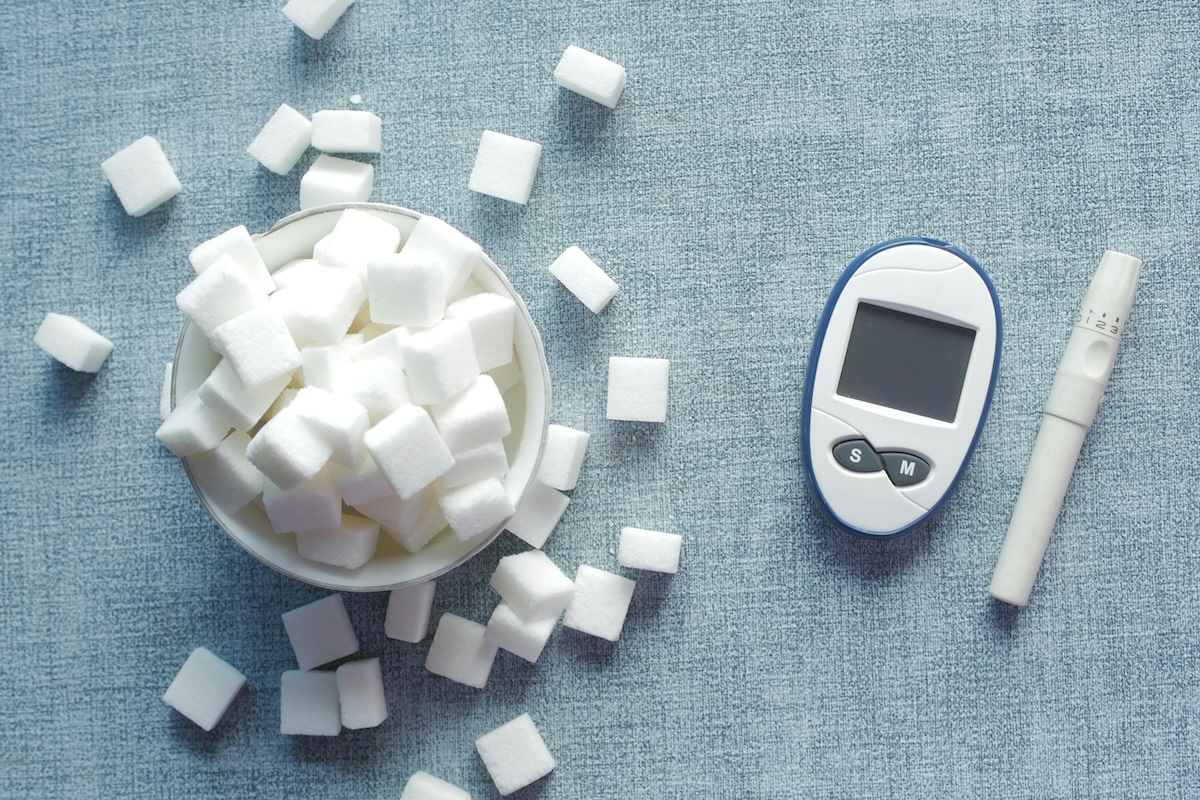
Discover how a functional medicine strategy for addressing insulin resistance and diabetes can aid you in maintaining healthy blood glucose levels naturally.
Insulin resistance and diabetes are common, extensively studied conditions. Globally, diabetes impacts 463 million people! But what exactly is insulin resistance, and how does it contribute to contemporary diseases such as metabolic syndrome and type 2 diabetes?
Insulin and the Pancreas
Located in your upper abdomen, the pancreas is a vital organ that secretes insulin, a crucial hormone that controls blood glucose levels. Insulin facilitates the entry of glucose into cells to supply them with needed energy.
Under normal conditions, insulin production is finely controlled to preserve metabolic equilibrium. Eating triggers the breakdown of food into glucose, which enters the bloodstream and prompts the pancreas to release insulin. This hormone then assists glucose in entering cells for immediate energy use or future storage. As glucose is absorbed by the cells, its levels in the bloodstream decrease, signaling the pancreas to halt insulin production. This cycle typically maintains balance, but it can be disrupted by diets rich in sugars, alcohol, and highly processed foods.
Understanding Insulin Resistance
In essence, insulin resistance occurs when the body improperly reacts to insulin. This leads to inadequate responses from muscle, fat, and liver cells to standard insulin levels, resulting in elevated baseline blood sugar levels, particularly after carbohydrate-rich meals. To counteract this, higher insulin levels are necessary to maintain metabolic stability, placing additional strain on the pancreas to boost insulin production. As long as the pancreas can sustain sufficient insulin production, blood sugar levels can remain within a healthy range.
However, if cells grow resistant to insulin, elevated blood glucose levels may result. This condition can be temporary or chronic. Temporary insulin resistance might arise from certain medications, such as oral steroids, or meals high in sugars or refined grains. Chronic insulin resistance, on the other hand, can lead to prediabetes and eventually type 2 diabetes.
Testing for Insulin Resistance
Fasting Blood Glucose Test
A common and straightforward blood test, the fasting blood glucose test measures glucose levels after an overnight fast. Normal blood glucose is below 100mg/dl, with optimal levels being under 90. If fasting glucose exceeds 100, it could suggest insulin resistance. Other factors, including poor sleep, stress, and specific nutrient deficiencies, can also affect fasting blood glucose levels.
Fasting Insulin Levels Test
This test measures fasting insulin levels and is useful for assessing metabolic balance. Typically, normal fasting insulin levels are less than 25 on standard lab tests, but healthier levels are considered to be below 7 according to some metabolic experts. Rising insulin levels indicate that the pancreas is increasing insulin output to manage elevated blood glucose.
Hemoglobin A1c (HbA1c) Test
The HbA1c test, or glycated hemoglobin A1c test, is used to diagnose prediabetes or diabetes by showing the average blood sugar level over the past three months. Unlike fasting glucose tests, HbA1c reflects long-term blood sugar levels rather than short-term fluctuations.
- Normal = HbA1c < 5.7%
- Prediabetes = HbA1c between 5.7 and 6.3
- Type 2 diabetes = HbA1c > 6.3
- Optimal = HbA1c 5.4% or less
- Oral Glucose Tolerance Test (OGTT)
The OGTT measures the body’s ability to process a significant sugar intake. Elevated blood sugar levels during this test may indicate insufficient absorption by cells. After consuming a concentrated sugar solution, blood samples are taken at two and three hours to measure glucose levels. Prediabetes can increase the risk of developing type 2 diabetes and heart disease.
- Normal blood glucose is under 140 mg/dL (7.8 mmol/L).
- Impaired glucose tolerance (prediabetes) = 140-199 mg/dL (7.8-11 mmol/L)
- Diabetes = 200 mg/dL (11.1 mmol/L) or higher
Prediabetes and Type 2 Diabetes
In prediabetes, cellular response to insulin is abnormal, prompting the pancreas to produce more insulin. When the pancreas cannot keep up, blood glucose levels rise. Prediabetes is characterized by blood glucose levels that are higher than normal but not yet high enough for a type 2 diabetes diagnosis. Often, prediabetes shows no clear symptoms and is undetected until it progresses to type 2 diabetes.
Risk factors for prediabetes include:
- Being overweight, particularly with excess abdominal fat (visceral fat)
- Sedentary lifestyle
- Family history of type 2 diabetes
- A diet high in processed foods with low nutritional value
Type 2 Diabetes
Type 2 diabetes, diagnosed with an HbA1c level over 6.3, typically develops in adulthood and is linked to unhealthy lifestyle choices, including poor diet and insufficient exercise.
Symptoms of type 2 diabetes include:
- Increased thirst and/or urination
- Fatigue
- Blurred vision
- Increased hunger
- Unexplained weight loss
Type 1 Diabetes
Type 1 diabetes is an autoimmune condition where the immune system attacks the insulin-producing cells in the pancreas. Injectable insulin is necessary for those with type 1 diabetes to manage blood glucose levels, as their pancreas no longer produces insulin. The presence of GAD65 antibodies indicates type 1 diabetes, detectable through a GAD65 test.
Common Oral Medications for Insulin Resistance and Diabetes
Traditional oral medications for managing insulin resistance and diabetes either stimulate insulin secretion by the pancreas or enhance insulin sensitivity.
Common medications include:
- Metformin: A staple in managing prediabetes and type 2 diabetes for over 60 years, metformin effectively lowers blood glucose levels.
- Sulfonylureas: This group of medications reduces blood glucose by stimulating insulin release from pancreatic beta cells. However, they can increase the risk of hypoglycemic events, strain the pancreas, and promote insulin resistance.
- Glitazones: These medications decrease fat cells in circulation and enhance insulin sensitivity.
- Glinides (meglitinides): These increase insulin release into the blood, lowering glucose levels.
- Gliptins (DPP-4 inhibitors): Often prescribed when other medications, such as metformin, are ineffective.
- Gliflozins (SGLT-2 inhibitors): Lower HbA1c and blood glucose levels without causing hypoglycemia, also used in heart failure treatment.
- GLP-1 agonists: Regulate blood glucose and HbA1c levels, critical for insulin secretion by the pancreas, and FDA-approved for weight loss.
- In cases of Type 1 Diabetes, where the pancreas no longer secretes insulin, injectable insulin is essential and life-saving.
Functional Medicine Treatment for Insulin Resistance
Diet Modification
A diet rich in processed carbohydrates, fast foods, and sugars can cause blood sugar spikes, stressing the pancreas and leading to insulin resistance. Reducing carbohydrates, sugars, and processed foods can significantly help!
Other dietary adjustments include:
- Lowering alcohol intake.
- Reducing carbohydrates and sugars.
- Increasing fiber-rich foods such as fresh vegetables and fruits—target at least 35 grams of fiber daily.
- Increasing lean protein.
- Implementing intermittent fasting.
- Exercise
Exercise, especially weightlifting and high-intensity interval training (HIIT), is beneficial for improving insulin resistance. Studies have shown that increasing muscle mass helps reduce lipid accumulation in muscle cells and enhances insulin sensitivity. Aiming for 150-300 minutes per week of moderate-intensity exercise is recommended.
Addressing Key Nutrient Deficiencies in Insulin Resistance
Vitamin D3
Due to its anti-inflammatory properties, vitamin D3 is believed to protect against insulin resistance.
Zinc
Zinc deficiency can impair the body’s insulin response. Zinc supplementation helps maintain glucose balance and metabolic homeostasis.
Magnesium
Magnesium plays a role in regulating blood glucose levels. Low magnesium levels are commonly associated with increased insulin resistance.
Supplements for Insulin Resistance
Essential supplements for balancing glucose and insulin include:
- Chromium: Helps reduce insulin resistance and has a positive impact on type 2 diabetes. Most studies recommend taking 200 mg of chromium 1-3 times daily.
- Berberine: Enhances cellular response to insulin by inhibiting fat storage. Prolonged use over three months has been shown to reduce waist circumference and BMI.
- Alpha lipoic acid: Improves insulin resistance by participating in the insulin signaling pathway.
- Cinnamon: Lowers fasting blood glucose levels and enhances insulin sensitivity.
- Gymnema: Supports glucose metabolism and positively affects metabolic syndrome.
- Ginseng: An herb with antidiabetic properties that improves glucose tolerance and insulin resistance.