
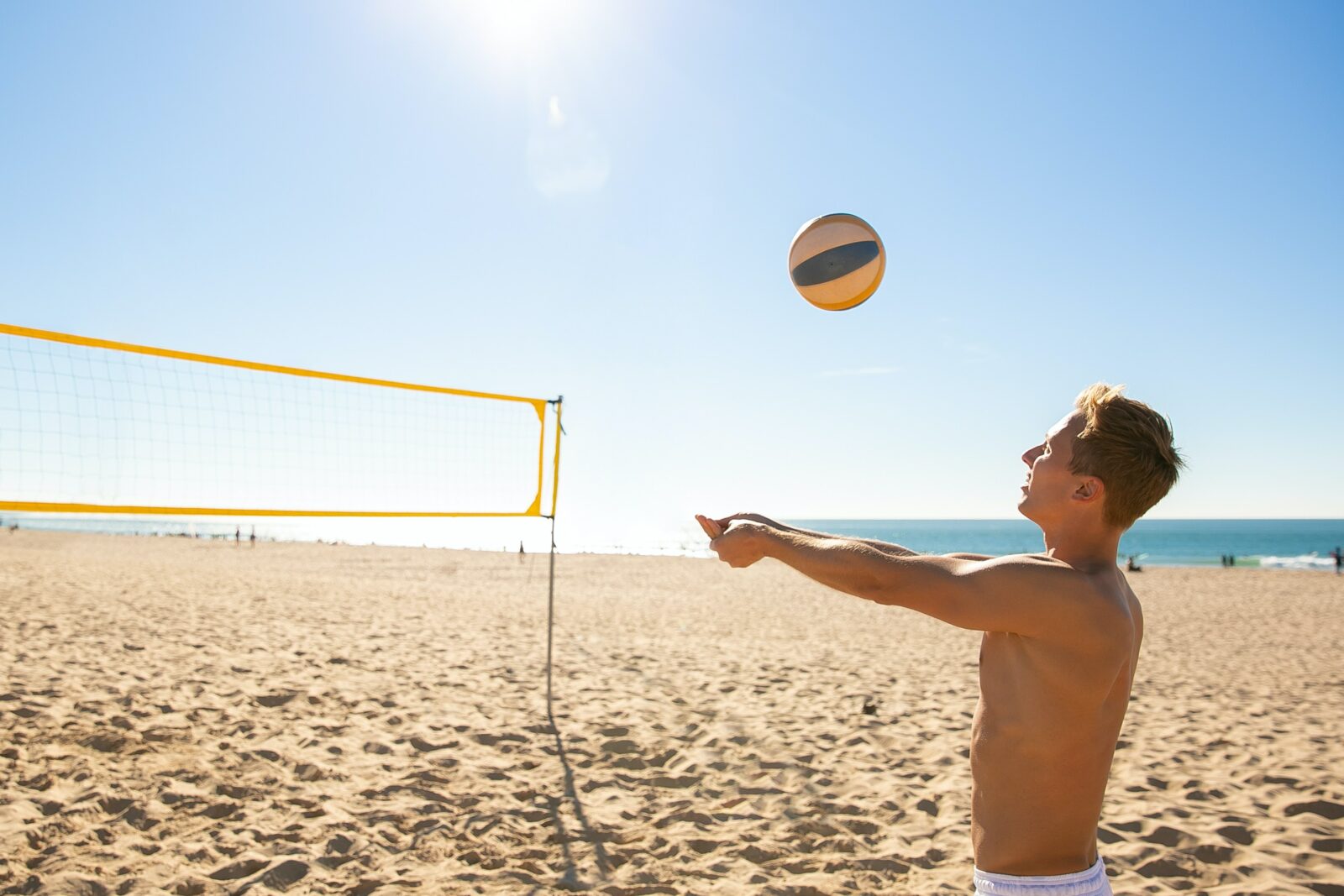
It’s important to maintain exercise regimes even during the hotter months. Here are 10 tips or hacks to help you continue with your walking workouts when the temperatures rise:
Hydrate
Staying adequately hydrated is crucial during any physical activity, especially during hotter months when you tend to sweat more. Water is the best choice for most people and you should aim to drink at least 8 ounces for every 20 minutes of exercise (Harvard Health, 2015)1. Additionally, the American Council on Exercise suggests drinking 17 to 20 ounces of water two hours before starting exercise, and at least 8 ounces during your warm-up and every 20 minutes during your walk. Dehydration can impair your body’s ability to regulate heat and increase the risk of heat-related illnesses, such as heat stroke.
Also, consider replenishing electrolytes if you plan to walk for over an hour. You could choose sports drinks or other options like coconut water, but be mindful of their sugar content. Remember, it’s not just the exercise that can lead to dehydration, but the overall heat of the day can also increase fluid loss and contribute to dehydration.
Avoid peak hours
One of the simplest ways to avoid the heat is to plan your walk during the cooler times of the day. Avoid the peak sun hours between 10 am and 4 pm when the sun’s radiation is at its maximum (American Cancer Society, 2019). Early morning walks can be especially refreshing, as temperatures are usually lower and the air is often cleaner.
Moreover, evening walks post-dinner can help in digestion and provide a cooler environment to carry out your exercise routine. Remember, high temperatures can increase the risk of heat-related illnesses and also make your workout feel harder. So, rearranging your schedule to accommodate cooler times of the day can not only help you to stay comfortable, but also make your workouts more effective.
Wear appropriate clothing
Clothing can make a significant difference in how you feel during your walks. Wearing lightweight, light-colored, and breathable fabrics can help wick away sweat, keeping you cooler during your exercise. Cotton, linen, and certain synthetics like Coolmax® and Supplex® are all good choices (Mayo Clinic, 2020).
The color of your clothing matters too. Light colors reflect the sun’s radiation, while dark colors absorb it. Hence, wearing light-colored clothing can help you stay cooler. Also, loose clothing allows air to circulate and cool the body.
Use sunscreen
It’s essential to protect your skin from the sun’s harmful UV rays, which can cause skin cancer and accelerate skin aging. The American Academy of Dermatology recommends using a sunscreen that offers broad-spectrum protection, water resistance, and an SPF of 30 or more.
Remember to apply the sunscreen generously and reapply every two hours or more often if you’re sweating heavily. Also, don’t forget places like the back of your neck, ears, and tops of your feet. Even on cloudy or overcast days, up to 80% of the sun’s harmful UV rays can penetrate your skin (Skin Cancer Foundation, 2016).
Wear a hat and sunglasses
In addition to sunscreen, wearing a hat can provide added protection for your face, ears, and neck. Broad-brimmed hats are most effective, as they cover a wider area. According to the Skin Cancer Foundation, a hat with a brim of at least three inches can block about half of the UVB rays from your eyes and eyelids.
Sunglasses protect your eyes from harmful UV radiation. According to the American Optometric Association, long-term exposure to the sun without proper protection can lead to certain types of cataracts and possibly macular degeneration. Choose sunglasses that block out 99 to 100 percent of both UVA and UVB radiation.
Choose your route wisely
Choosing a route that provides shade can dramatically reduce your exposure to sun and heat. Tree-lined paths, trails in the woods, or parks can provide respite from the sun and create a more comfortable environment for your walk.
Even in urban environments, consider routes that are shaded by buildings during your walking time. Walking near bodies of water can also provide a cooler microclimate, but remember to still protect yourself from the sun’s reflection off the water.
Gradually acclimate
Heat acclimatization refers to your body’s physiological adaptations to heat exposure over time. These adaptations can help you to perform better in hot conditions and reduce the risk of heat-related illnesses (Lorenzo et al., 2010).
Start by doing shorter walks, and gradually increase the time you spend outside as your body adjusts to the heat. This gradual acclimatization process can help your body to cope with higher temperatures and make your workouts more comfortable.
Cool down properly
Cooling down after your walk is an important part of your workout routine. It helps to gradually reduce your heart rate and helps your body to return to its normal temperature. During hot months, finding a cool environment for your cooldown can also help to prevent heat-related illnesses.
Consider cooling down indoors in an air-conditioned room or in the shade if outside. Stretches, slow walking, and controlled breathing exercises can all be part of an effective cool-down routine.
Keep a wet towel
If it’s extremely hot, carrying a small towel or bandana soaked in cool water can help to reduce your body temperature. Drape it over your neck or wipe your face and arms. According to a study in the Journal of Athletic Training, cold-water immersion and wet towel application can effectively reduce body heat content and increase the rate of body cooling.
Moreover, the simple act of evaporation as the water on the towel turns to vapor helps to cool your body. Remember to re-wet the towel as necessary during your walk to maintain its cooling effect.
Listen to your body
Despite taking all the precautions, it’s crucial to listen to your body. If you start to feel symptoms like dizziness, headache, rapid heartbeat, or extreme fatigue, stop walking, find shade, and hydrate. These could be signs of heat exhaustion or even heatstroke, which is a medical emergency (Mayo Clinic, 2019)11.
Your body has its ways of telling you when it needs a break. Ignoring these signs and pushing yourself too hard can lead to serious health risks. Remember, the aim is to stay fit and healthy, and not to put your health at risk.
REFERENCES:
Harvard Health Publishing. (2015). The importance of staying hydrated. https://www.health.harvard.edu/staying-healthy/the-importance-of-staying-hydrated
American Council on Exercise. (2020). Healthy Hydration. https://www.acefitness.org/education-and-resources/lifestyle/blog/6675/healthy-hydration
American Cancer Society. (2019). How Do I Protect Myself from Ultraviolet (UV) Rays? https://www.cancer.org/cancer/cancer-causes/radiation-exposure/uv-radiation.html
Mayo Clinic. (2020). Dressing for outdoor workouts. https://www.mayoclinic.org/healthy-lifestyle/fitness/in-depth/dress-for-success-when-exercising-outdoors/art-20266626
American Academy of Dermatology. (2020). How to Select a Sunscreen. https://www.aad.org/public/everyday-care/sun-protection/sunscreen-patients/how-to-select-sunscreen
Skin Cancer Foundation. (2016). Sun Safety and Protection Tips. https://www.skincancer.org/skin-cancer-prevention/sun-protection/sun-safety-tips
Skin Cancer Foundation. (2016). Sun-Protective Clothing. https://www.skincancer.org/skin-cancer-prevention/sun-protection/sun-protective-clothing
American Optometric Association. (2020). Sunglasses: Protection from UV Eye Damage. https://www.aoa.org/healthy-eyes/eye-and-vision-conditions/uv-protection
Lorenzo, S., Halliwill, J. R., Sawka, M. N., & Minson, C. T. (2010). Heat acclimation improves exercise performance. Journal of Applied Physiology, 109(4), 1140–1147. https://doi.org/10.1152/japplphysiol.00495.2010
Barwood, M. J., Davey, S., House, J. R., & Tipton, M. J. (2009). Post-exercise cooling techniques in hot, humid conditions. European Journal of Applied Physiology, 107(4), 385–396. https://doi.org/10.1007/s00421-009-1125-2
Mayo Clinic. (2019). Heatstroke. https://www.mayoclinic.org/diseases-conditions/heat-stroke/symptoms-causes/syc-20353581