
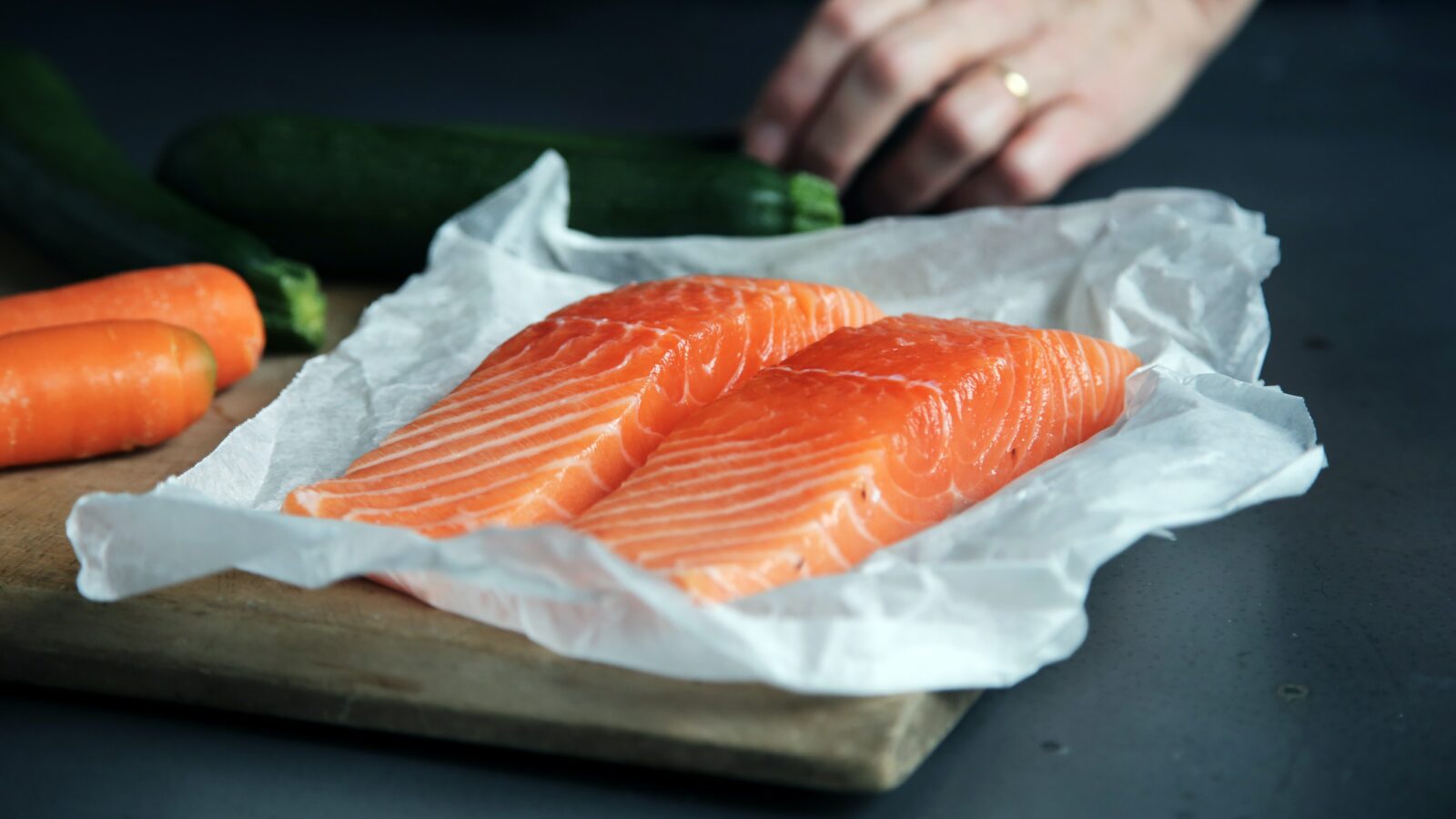
Omega-3 fats are essential fatty acids that our bodies need for optimal functioning, and they play a significant role in combating sarcopenia. Studies have shown that omega-3 fatty acids play a crucial role in maintaining muscle mass and strength in older adults. In one study, omega-3 supplements improved muscle mass and strength in older women after 3 months of supplementation. Omega-3 fats are also believed to have anti-inflammatory properties that can help combat inflammation associated with sarcopenia.
To incorporate more omega-3 fats into your diet, try adding fatty fish like salmon, tuna, or mackerel to your meals, as well as other sources of omega-3s like chia seeds, flax seeds, and walnuts. By maintaining a balanced diet that includes foods rich in omega-3s, you can help reduce your risk of sarcopenia as you age.
Whey protein: a key ingredient for muscle building
Whey protein is a popular supplement for athletes and bodybuilders alike, but it can also be a beneficial tool for combating sarcopenia. Whey protein is a complete protein that contains all the essential amino acids our bodies need for muscle building and repair. In older adults, studies have shown that supplementing with whey protein can help maintain muscle mass and strength.
One study found that older adults who consumed whey protein as part of their diet gained more muscle mass and strength than those who did not consume whey protein. Another study found that consuming whey protein before or after exercise improved muscle recovery and helped combat muscle loss in older adults. Incorporating whey protein into your diet through shakes or smoothies can help you maintain muscle mass and strength as you age.
Miso: a nutritious addition to your diet
Miso is a traditional Japanese seasoning made from fermented soybeans, and it’s a nutritious addition to any diet. Miso contains essential amino acids and is a good source of protein, which can help combat sarcopenia. Miso is also rich in probiotics, which can improve gut health and may help reduce inflammation associated with sarcopenia.
Research has also shown that consuming soy-based products like miso may help prevent muscle loss in older adults. In one study, older adults who consumed soy protein for 24 weeks had improved muscle strength compared to those who did not consume soy protein. Miso can be added to soups, stews, and other dishes for a flavorful and nutritious boost to your diet.
Vitamin D: the sunshine vitamin
Vitamin D is an essential nutrient that plays a critical role in bone health and muscle function. Our bodies produce vitamin D when our skin is exposed to sunlight, but many people don’t get enough vitamin D through sunlight alone. Older adults are particularly at risk for vitamin D deficiency, which can increase the risk of sarcopenia.
Research has shown that vitamin D supplementation can help improve muscle function and strength in older adults. In one study, older adults who took vitamin D supplements had improved muscle strength and balance compared to those who did not take supplements. By getting enough vitamin D through sunlight, diet, or supplementation, you can help reduce your risk of sarcopenia as you age.
Exercise: the key to maintaining muscle mass and strength
Exercise is one of the most important ways to combat sarcopenia. Strength training, in particular, can help maintain muscle mass and strength in older adults. Studies have shown that regular strength training can help prevent muscle loss and improve muscle function in older adults.
Incorporating exercise into your daily routine can be as simple as taking a walk or doing bodyweight exercises like squats and push-ups. Resistance bands or weights.
REFERENCES:
Cruz-Jentoft, A. J., Bahat, G., Bauer, J., Boirie, Y., Bruyère, O., Cederholm, T., … & Landi, F. (2019). Sarcopenia: revised European consensus on definition and diagnosis. Age and ageing, 48(4), 601-606.
Smith, G. I., Julliand, S., Reeds, D. N., Sinacore, D. R., Klein, S., & Mittendorfer, B. (2015). Fish oil–derived n–3 PUFA therapy increases muscle mass and function in healthy older adults. The American journal of clinical nutrition, 102(1), 115-122.
Breen, L., Phillips, S. M., & Gerrits, K. H. (2011). The influence of dietary protein on muscle mass and strength in aging humans. Clinical Nutrition, 30(6), 692-701.
Beaudart, C., Dawson, A., Shaw, S. C., Harvey, N. C., Kanis, J. A., Binkley, N., … & Cooper, C. (2017). Nutrition and physical activity in the prevention and treatment of sarcopenia: systematic review. Osteoporosis international, 28(6), 1817-1833.
Tieland, M., Dirks, M. L., van der Zwaluw, N., Verdijk, L. B., van de Rest, O., de Groot, L. C., & van Loon, L. J. (2012). Protein supplementation increases muscle mass gain during prolonged resistance-type exercise training in frail elderly people: a randomized, double-blind, placebo-controlled trial. Journal of the American Medical Directors Association, 13(8), 713-719.
Zhang, X., Shu, X. O., Li, H., Yang, G., Li, Q., Gao, J., … & Zheng, W. (2018). Prospective cohort study of soy food consumption and risk of bone fracture among postmenopausal women. Archives of osteoporosis, 13(1), 59.
Girgis, C. M., Clifton-Bligh, R. J., Turner, N., Lau, S. L., & Gunton, J. E. (2013). Effects of vitamin D in skeletal muscle: falls, strength, athletic performance and insulin sensitivity. Clinical endocrinology, 80(2), 169-181.
Bischoff-Ferrari, H. A., Dawson-Hughes, B., Orav, E. J., Staehelin, H. B., Meyer, O. W., Theiler, R., … & Willett, W. C. (2016). Monthly high-dose vitamin D treatment for the prevention of functional decline: a randomized clinical trial. JAMA internal medicine, 176(2), 175-183.
Peterson, M. D., Rhea, M. R., Sen, A., & Gordon, P. M. (2010). Resistance exercise for muscular strength in older adults: a meta-analysis. Ageing research reviews, 9(3), 226-237.