
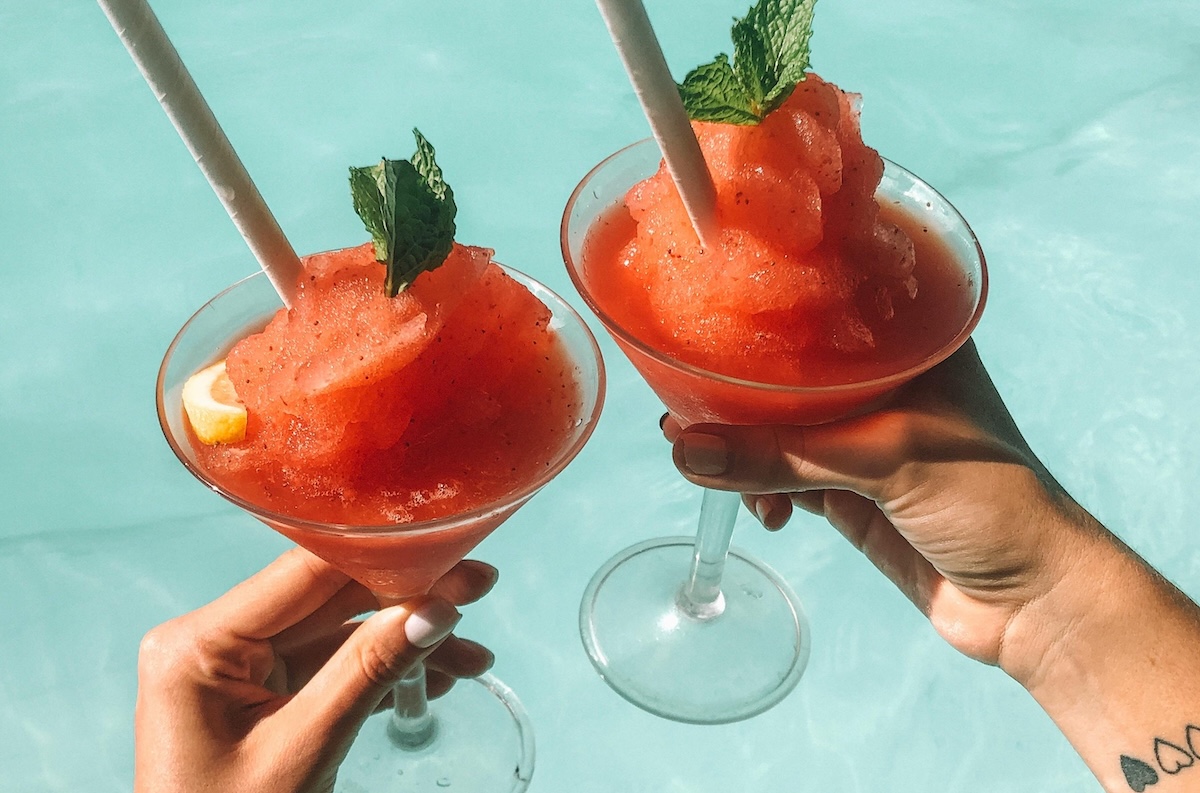
In recent years, the demand for sugar-free beverages has grown, often under the banner of promoting better health, especially for children. However, not all sugar-free substitutes are harmless. A new concern is emerging around glycerol (also known as glycerin) — a common additive in sugar-free slushie drinks marketed to kids. While generally regarded as safe in small amounts for adults, recent data from the U.K. and Ireland have shown alarming health effects when this substance is consumed by children, especially in concentrated doses found in frozen beverages.
This article will explore how glycerol has been linked to acute medical emergencies in young, otherwise healthy children, and why avoiding commercially available slush drinks could be a simple, life-saving step for parents. We’ll also conclude with a few fun and healthy homemade slushie recipes, giving you safe alternatives for hot days.
What Is Glycerol?
Glycerol is a clear, odorless, syrupy liquid widely used in the food and pharmaceutical industries. It’s a naturally occurring compound that is part of the triglyceride molecule and is also produced synthetically for use in processed foods, cosmetics, and medicines. In food and beverage products, glycerol serves as a humectant (retains moisture), sweetener, and solvent. It’s found in sugar-free ice drinks to create a smoother texture and mimic the mouthfeel of sugar without the added calories.
Although it’s considered safe in small quantities by regulatory agencies like the FDA and EFSA, high doses — particularly in small children — can be extremely dangerous.
The Study That Sounded the Alarm
A multicenter surveillance study published in 2024 by pediatric toxicology teams in the United Kingdom and Ireland reviewed medical emergencies involving children who consumed sugar-free slush drinks containing high concentrations of glycerol. The study covered over a dozen hospitals and identified more than 20 cases of acute toxicity in children aged 2–8. Notably, these were previously healthy children with no underlying metabolic conditions.
In nearly every case, the children became ill within 30 to 60 minutes of consuming a slush drink. Symptoms were not mild — they included:
- Loss of consciousness
- Seizures
- Hypoglycemia (dangerously low blood sugar)
- Acidosis (buildup of acid in the blood)
- Hypokalemia (low potassium levels)
- Elevated triglycerides, not related to dietary fat intake
Many of these symptoms mimic rare inborn errors of metabolism, leading to misdiagnoses or delays in proper treatment. Emergency responders were often baffled at the sudden onset of life-threatening symptoms in otherwise healthy kids. Once the connection to glycerol ingestion was made, a clear pattern emerged: all the children had consumed a slushie drink shortly before the event.
Why Glycerol Is Dangerous in Children
Glycerol is metabolized differently in children than in adults, particularly when consumed in large volumes over a short period. The slushie drinks in question often contain 15–30 grams of glycerol per serving — a quantity that can overwhelm a child’s metabolic system.
In children, the liver has a smaller capacity to process glycerol rapidly. The result is a cascade of metabolic effects, including:
- Rapid insulin response, dropping blood sugar levels dangerously low
- Disruption of acid-base balance, leading to metabolic acidosis
- Electrolyte imbalances, especially low potassium, which can trigger seizures and heart rhythm disturbances
- Lipid abnormalities, as glycerol can elevate circulating triglycerides, although it doesn’t come from fat directly
These symptoms resemble those seen in conditions like fatty acid oxidation disorders and congenital hypoglycemia syndromes, which complicates diagnosis and delays targeted treatment.
The Simple Solution: Avoiding Slushie Drinks
One of the most significant takeaways from the U.K./Ireland study is that once children stopped consuming slush drinks, the episodes stopped completely. Follow-up over several months showed zero recurrences in children who avoided these beverages.
This makes a compelling case for removing commercial slushie drinks from your child’s diet, especially those marketed as “sugar-free” or “low-carb.” Unfortunately, labeling doesn’t always make it clear how much glycerol is present, so avoidance is the safest approach until tighter regulations or clearer warnings are introduced.
For parents trying to protect their child’s long-term health, this one step — eliminating slushies — could be profoundly protective.
Functional Medicine Perspective
From a functional medicine standpoint, this issue underscores the importance of understanding not just what our children eat and drink, but how their bodies interact with those substances. A child’s metabolic pathways are not simply “smaller versions” of adult systems — they are developmentally distinct and far more vulnerable to metabolic disruption.
Moreover, this incident illustrates a broader problem with ultra-processed foods and beverages marketed as “healthy” simply because they’re sugar-free. When artificial or concentrated substitutes like glycerol are added, we may be trading one danger for another. A true holistic approach to child wellness includes minimizing artificial additives, reading ingredient labels carefully, and teaching healthy habits through better alternatives.
Safer and Healthier Homemade Slushie Recipes
Summer treats should be fun — and safe! Fortunately, it’s easy to make kid-friendly slushies at home with no need for glycerol, artificial dyes, or synthetic sweeteners. Here are a few healthy and colorful options your kids will love:
🍓 Strawberry Banana Slushie
- 1 cup frozen strawberries
- 1 ripe banana
- 1/2 cup coconut water or filtered water
- Juice of 1/2 lime
- Optional: a few ice cubes for texture
Blend until smooth and serve immediately. Packed with potassium, vitamin C, and natural sweetness.
🍉 Watermelon Mint Cooler
- 2 cups seedless watermelon, frozen into chunks
- 4-5 fresh mint leaves
- 1/2 cup cold water
- Squeeze of lemon juice
Blend on high until icy and frothy. This is incredibly hydrating and refreshing on a hot day.
🍍 Pineapple Coconut Slushie
- 1 cup frozen pineapple chunks
- 1/2 cup coconut milk (light or full-fat)
- Dash of vanilla extract
- Optional: a teaspoon of honey if extra sweetness is needed
Tropical and creamy without added sugar or emulsifiers.
🫐 Blueberry Lemonade Icee
- 1 cup frozen blueberries
- Juice of 1 lemon
- 1 tablespoon maple syrup or honey
- 1/2 cup cold water
Bright and antioxidant-rich, this slushie is as pretty as it is nourishing.
Final Thoughts
Children are not miniature adults — their bodies react differently to chemicals, additives, and even natural substances in concentrated doses. The case of glycerol in slushie drinks is a stark reminder of how a popular treat can carry hidden risks, especially when ingredients are not well understood or regulated for pediatric safety.
As a functional medicine practitioner, I urge parents to favor real, whole foods and take the time to read labels, ask questions, and when possible, make snacks at home. Replacing slushies with homemade versions is a great way to bond with your child, protect their health, and keep them cool — without the crash.