
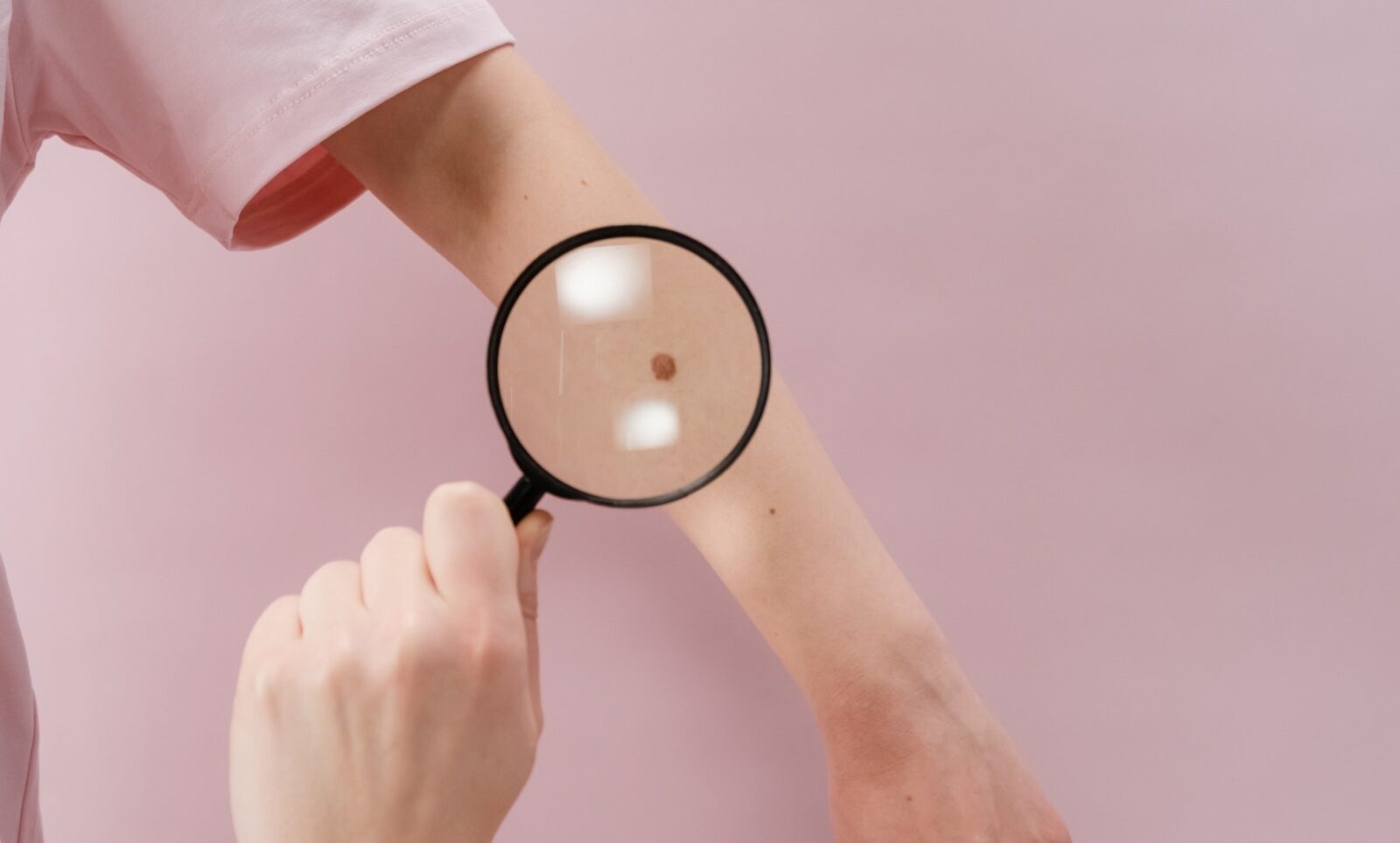
Sunlight could be beneficial for melanoma. Contrary to what you’ve heard, the sun might not be the culprit for melanoma. In fact, it might be beneficial, as numerous studies suggest.
Recently, two more studies highlighted the advantages of sun exposure. Understandably, this revelation has left many scientists and dermatologists puzzled. How can the very thing they warned the public about — that the sun causes cancer — be proven incorrect?
Let’s delve into these studies, both featured in the February edition of the Journal of the National Cancer Institute (JNCI). One assessed the theory that UV radiation elevates your risk of developing lymphoma. However, after analyzing around 7,000 participants, the findings indicated the opposite: more sun exposure reduced the likelihood of non-Hodgkin’s lymphoma.
The second study explored the alleged connection between sun exposure and melanoma survival rates. The conclusion? More sun exposure seems to boost melanoma survival rates.
What could explain these surprising results?
Misconception
In an accompanying editorial in the JNCI, researchers Kathleen Egan, Jeffrey Sosman, and William Blot shared their thoughts. They begin with the assertion that “Solar radiation is a primary skin carcinogen, accounting for more cancers globally than any other singular agent.” It’s no surprise they’re perplexed by the new discoveries.
Such misunderstandings are not rare. For instance, in an article in the London Telegraph, Professor Jonathan Rees, a dermatologist at Newcastle University, remarked, “The undeniable fact is ultraviolet light is the predominant cause of skin cancer.”
Melanomas and Others
While what Rees stated might hold some truth — UV light could be the chief cause of skin cancer — it’s vital to clarify that most of these assertions don’t directly refer to melanoma. Melanoma is a grave type of skin cancer, malignant in nature, capable of spreading to internal organs and can be fatal.
Yet, 90% of skin cancers are non-melanoma cancers. The most prevalent ones, basal and squamous cell carcinomas, are far less threatening. These are benign and can be cured with straightforward outpatient procedures. Solar radiation primarily causes these. Conversely, melanomas might be triggered by a lack of sunlight and excessive artificial light.
The JNCI editorial did highlight two generally known but seldom acknowledged truths: melanomas typically appear in less sun-exposed areas and that vitamin D could play a role in melanoma prevention. The writers noted, “There’s emerging evidence suggesting sun exposure, especially as it pertains to vitamin D produced in the skin due to sunlight, might have a positive impact on certain cancers.”
Known for Years
It’s startling how certain knowledge, even within the realms of mainstream science, can be overlooked until reiterated by another study, making it headline news again.
The real information about sunlight and cancer exists — it’s just elusive for many. For instance, the Atlas of Cancer Mortality in the U.S., 1950-1994, illustrates a compelling correlation between sunlight exposure and cancer. The data suggests a stark difference in cancer rates, like breast and prostate, based on geographic latitudes in the U.S. Higher latitudes correspond to higher cancer death rates.
Rethink Your Sunscreen
Excessive sun exposure can indeed harm the skin’s inner layer, causing early aging. However, a study from the University of New Mexico found that patients with sun-induced skin damage had a reduced occurrence of melanoma.
Shouldn’t this make you reconsider the rationale behind using sunscreens? What are they really safeguarding you against?
Remember, sunlight is a primary source of vitamin D. A deficiency can result in multiple health issues. When you excessively use high-SPF sunscreens, you might be blocking vitamin D synthesis in your skin. This could enhance melanoma risks and other vitamin D deficiency-related conditions.
Sunscreen manufacturers and some dermatologists might resist accepting these insights, emphasizing sunburn as a major melanoma risk. Yet, the connection between sunburn and melanoma is tenuous at best. Many get sunburned annually, but few develop melanoma. Even when melanoma occurs, it typically emerges in sun-sheltered regions.
In the previously mentioned London Telegraph article, Jean King, from the Cancer Research Campaign, criticized researchers for endorsing sunbathing, saying, “There’s a universally accepted public health message we shouldn’t weaken.”
Such “accepted public health messages,” even when lacking a scientific basis, seem to dominate today’s discourse. It’s reminiscent of outdated beliefs about fat consumption or fluoride benefits. But times are changing, and old paradigms might soon shift.